
PETA warns BEMT use will cost US beauty brands’ cruelty-free status

Key takeaways
- PETA warns brands that using the FDA’s newly approved sunscreen active bemotrizinol will cost them their cruelty-free listing.
- BEMT’s US clearance rested on animal studies, despite congress telling the FDA last November to accept non-animal methods for sunscreens.
- PETA says other UV filters already on the market face the same risk, while Unilever argues animal-free safety science has outpaced regulation.
PETA (People for the Ethical Treatment of Animals) will remove cosmetics companies from its Ultimate Cruelty-Free List if they use bemotrizinol (BEMT).
BEMT is the US Food and Drug Administration (FDA) newly approved sunscreen active ingredient. BEMT gained authorization in June this year after over 20 years of inaction from the agency in sun care. The regulatory nod came after a decades-long push from the US beauty industry.
However, using the long-awaited active now poses a threat to brands that seek to stay on PETA’s Ultimate Cruelty-Free List.
BEMT’s green light in the US rested on animal studies submitted to meet the FDA’s safety data requirements for sunscreen actives. PETA prohibits listed companies from using ingredients tested on animals, regardless of the source of testing.
The FDA could have approved BEMT without animal testing. Congress lifted the animal-testing mandate for new drugs in 2022 with the FDA Modernization Act 2.0. Last November, lawmakers went further and told the agency to accept non-animal methods and real-world human data when evaluating sunscreens specifically.
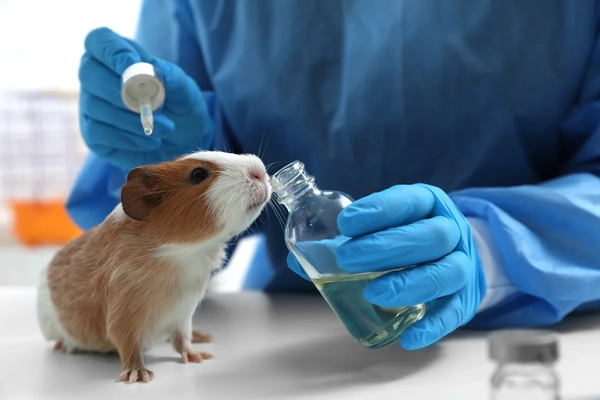
The animal advocacy nonprofit says the “cruel and archaic tests on mini pigs, guinea pigs, rabbits, mice, and rats” that were required by the federal organization disqualify brands that use BEMT from being included on their cruelty-free list.
Cruelty-free certification is a growing priority for cosmetics shoppers. Beauty consumers increasingly expect the beauty brands they buy from to be ethical and in line with their principles. This rise in values-driven consumerism has further pushed the personal care industry away from animal testing.
Cruelty-free criteria
To be included on PETA’s Ultimate Cruelty-Free List, companies must not conduct or commission tests on animals. They are also required to purchase ingredients from suppliers who do not test those ingredients on animals.
Therefore, the animal welfare organization is alerting US beauty brands looking to maintain their seal of approval to steer clear of BEMT.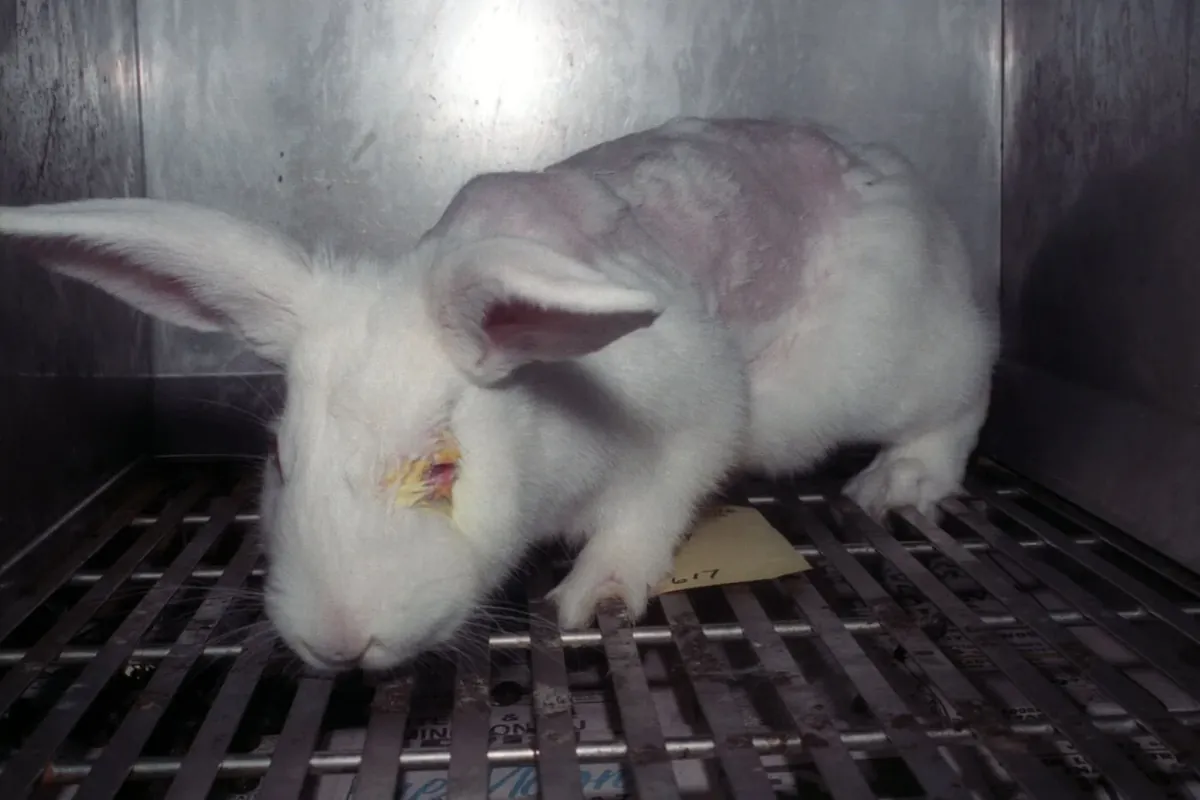 PETA says any US brand that uses BEMT will be removed from its cruelty-free list (Image credit: PETA).
“PETA is putting companies on notice and urging consumers to consult PETA’s Ultimate Cruelty-Free List when they shop,” says PETA SVP Kathy Guillermo.
BEMT has been safely used in Europe and elsewhere for decades. But the FDA imposed its own testing requirements on animals before the active could enter the US market.
“Despite decades of real-world human use, animals were subjected to painful, pointless tests to clear BEMT’s path into the US, and any company that chooses to use it will be removed from our cruelty-free list,” says Guillermo.
According to PETA, the experiments included force-feeding BEMT to animals, smearing it on their skin, and putting it in their eyes to test carcinogenicity, developmental and reproductive toxicity, oral and dermal toxicokinetics, and hormonal effects. Some tests lasted nine months.
PETA notes that animal experiment findings frequently fail to translate to humans. Approximately 90% of drug candidates that enter human trials after passing animal tests fail, according to a 2022 review in Acta Pharmaceutica Sinica B.
Regulators vs the list
BEMT is not the only sunscreen active that could cost US brands their cruelty-free status from PETA.
Last year, PETA warned every company on its cruelty-free list that the FDA was seeking new animal safety data on chemical UV filters already sold in the US.
That testing has not been made compulsory, but PETA says it remains a threat. If the agency follows through, brands could lose their cruelty-free status for products they already sell.
Congress, however, has been pushing the FDA in the other direction. In November 2025, the Continuing Appropriations Act was signed into law. It requires the FDA to consider non-animal testing and real-world evidence when evaluating sunscreens and other topical over-the-counter drugs. The agency must also issue guidance on how companies can use the alternative tests.  Maxwell argues that non-animal methods are more biologically relevant than animal tests.
At the time, PETA welcomed the US bill and its implications for cruelty-free science. The group said the FDA should prioritize using non-animal methodologies to support wider access to modern UV filters.
BEMT is the first sunscreen active ingredient the FDA has cleared since the law took effect — and, according to PETA, the agency still relied on animal data to do it.
BEMT is not the first case of a regulator’s testing demands colliding with PETA’s list.
In August 2025, PETA US restricted its Beauty Without Bunnies database to companies selling only in the US, Canada, Germany, and India. The move responded to EU cosmetic testing regulations conflicting with animal testing bans.
Beauty Without Bunnies is the former name of PETA’s Ultimate Cruelty-Free List. It was renamed in July of this year.
Ethical claims climb
The personal care industry at large has been pushing away from animal cruelty. Yesterday, Unilever highlighted the needlessness of animal testing. Gavin Maxwell, Unilever’s head of Regulatory Science Strategy & Advocacy, spoke about why regulators are increasingly ready to adopt non-animal safety science.
Unilever has used non-animal safety science methods since the 1980s, and advocates for a total global ban on animal testing for cosmetics.
“Modern animal-free methods aren’t just kinder, they’re more biologically relevant for the safety decisions we need to make. Non-animal safety science combines knowledge of biology, chemistry, and statistics to assess the safety risks associated with our products and ingredients,” says Maxwell.
The company cites data that 81% of North American consumers would switch brands to avoid products that had been tested on animals. The same study shows that 63% of consumers worldwide would avoid purchasing cosmetics tested on animals.
Instead of animal testing methods, the FMCG’s scientists use computational approaches, data modeling, and AI, collaborating with partners all over the world to advance progress.
“Non-animal safety science has advanced faster than the regulatory requirements,” adds Maxwell. 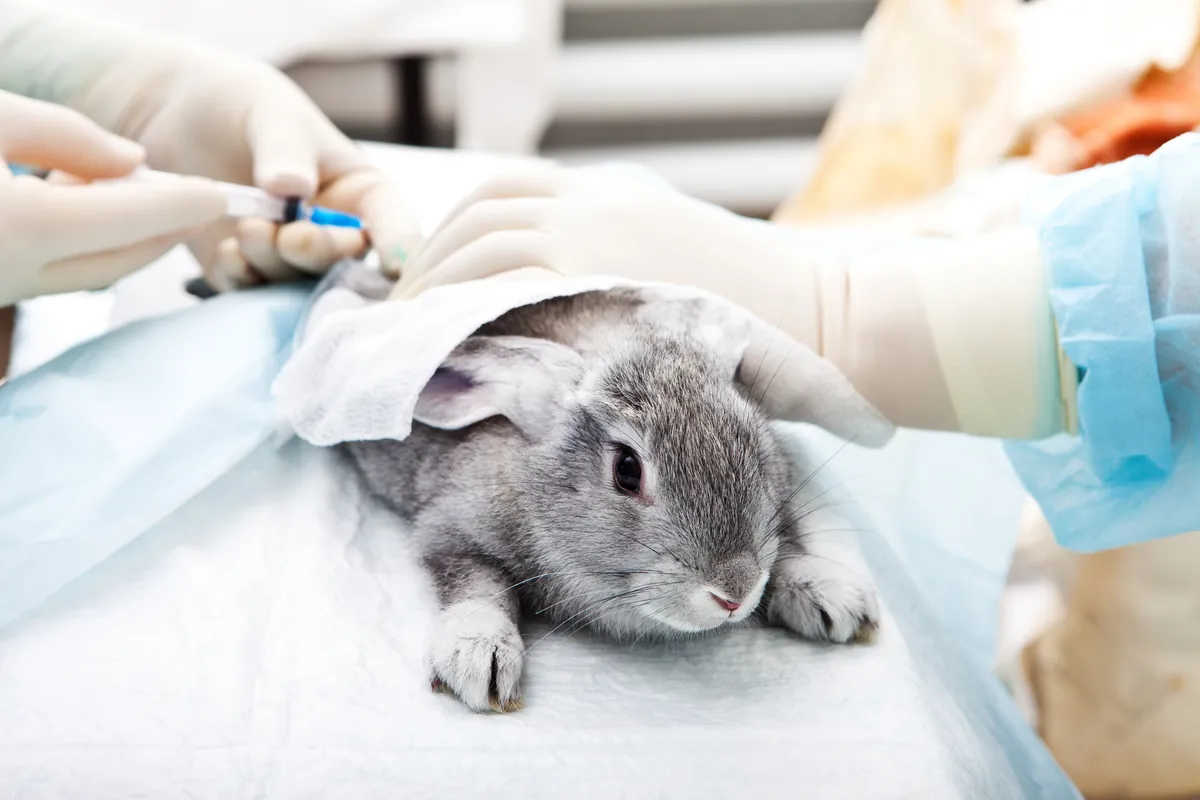 Guillermo calls the animal tests behind BEMT painful and pointless.
This month marks eight years since Dove, Unilever’s biggest Power Brand, was certified as PETA approved and Unilever was recognized by PETA as a company working for regulatory change.
Yvonne Taylor, VP of corporate projects at PETA, previously told Personal Care Insights that the next wave of cruelty-free cosmetics will not be confined to animal testing alternatives, but an avoidance of any practice in the supply chain that harms animals.
“It’s a new angle that the personal care industry must consider: ethical beauty means not testing on animals or using animal-derived ingredients.”
Innova Market Insights data suggests a 7% average annual growth in beauty product launches with ethical claims from June 2020 to July 2025. The market researcher also reports 30% of consumers worldwide actively choose cruelty-free personal care products.