
Menopause consciousness drives demand for science-backed women’s wellness

Key takeaways
- Women’s wellness in personal care is shifting from short-term cosmetic results to long-term healthy aging and longevity.
- Rising menopause consciousness is driving demand for targeted, hormone-free, and microbiome-based solutions, with only 7% of women reporting satisfaction with current retail options.
- Historical underfunding of women’s health research creates substantiation challenges, making women-specific clinical studies critical for credible claims.
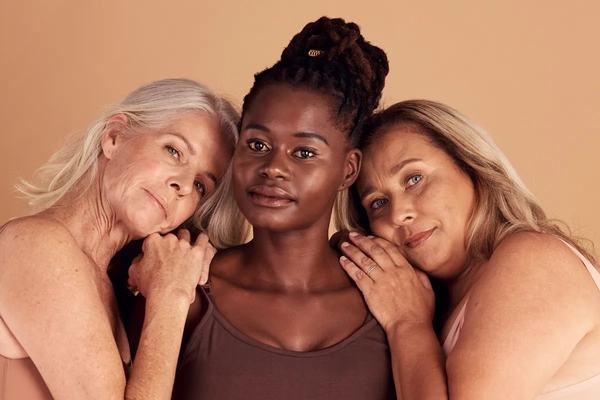
The once broad “women’s wellness” label in personal care is evolving into targeted support built around the specific biological needs, challenges, and stages in a woman’s life. Women beauty buyers are seeking multi-benefit, holistic solutions. This shift is being driven by the same overall industry move from reactive to preventative health management.
Innova Market Insights’ Top Personal Care Trend 2026 is “Tailored Touchpoints,” followed by “New-age Longevity” and “Crunch Over Fluff.” The market researcher says these trends are reshaping women’s wellness due to consumers seeking personalized, age-specific, and science-backed solutions.
Personal Care Insights sits down with Bioiberica and AB-Biotics to discuss how women’s wellness solutions are evolving beyond appearance to support longevity and healthy aging. The experts detail how rising menopause consciousness is driving demand for focused, science-backed products, while historical underfunding of women’s health research leaves substantiation challenges.
“For a long time, [women’s personal care] centered on appearance, and often on something quite short-term like reducing wrinkles. The conversation has widened to looking and feeling well over the long term, which reflects how closely physical health, mental well-being, and outward appearance are connected,” Miquel Bonachera, co-founder at AB-Biotics, tells us.
“As women focus more on healthy aging and longevity, the priority moves from an immediate cosmetic result toward how strong and well they feel as they get older.”
What is making the shift
According to Monica Gomez Navarro, marketing manager, Branded Ingredients at Bioiberica, 79% of women stated that preventative health management is important to them, and 69% said they are more likely to opt for products designed for the female body.
“The way we think about women’s health conditions — and especially the female aging experience — has evolved beyond single-focus issues like managing hot flashes.”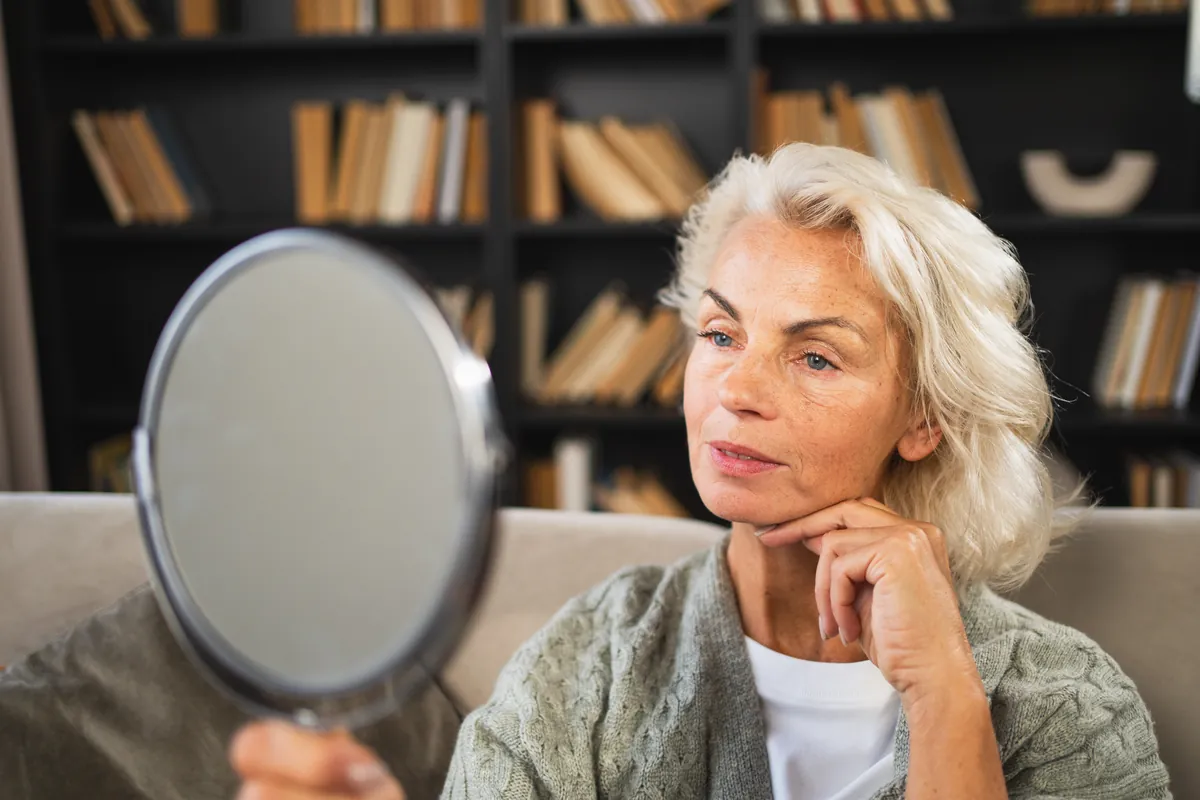 Bonachera says women’s priorities are moving from immediate cosmetic results toward long-term strength.
This revaluation of women’s health is tied to a deeper understanding of how declining estrogen levels impact several bodily systems, not just the reproductive organs. Navarro says skin health is a major concern for those approaching menopause.
Estrogen plays an important role in maintaining skin structure by regulating collagen turnover. As levels decline, skin thinning, dryness, loss of elasticity, and reduced skin hydration and glow tend to follow.
“Women are increasingly aware of these interconnected changes and are looking for science-backed solutions that address them together, as part of a longer-term approach to healthy aging,” explains Navarro.
Menopause as a driver
The rise in menopause consciousness has been a catalyst for the advancement of women’s wellness trends. The life stage used to be rarely discussed in public formats, but this has sharply changed in the personal care industry.
“Menopause is the obvious example of a stage that has been previously underserved in terms of nutraceutical offerings, and is now getting the attention it warrants,” says Bonachera. “Demand for natural, hormone-free menopause support is particularly strong.”
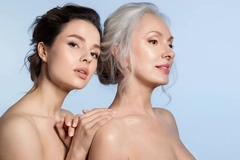
As a result, the sector is witnessing rising demand for products with demonstrable benefits for women aged 45 and older. Navarro says that the market for age-specific supplements is maturing, shaped by the wants and needs of women in various phases of life, such as perimenopause and postmenopause, alongside broader healthy and active aging.
“There’s a growing recognition that a ‘one-size-fits-all’ supplement simply won’t cut it. What matters at age 30 is not the same as what matters at 50 — and brands are responding by developing formulations that reflect that,” she says. 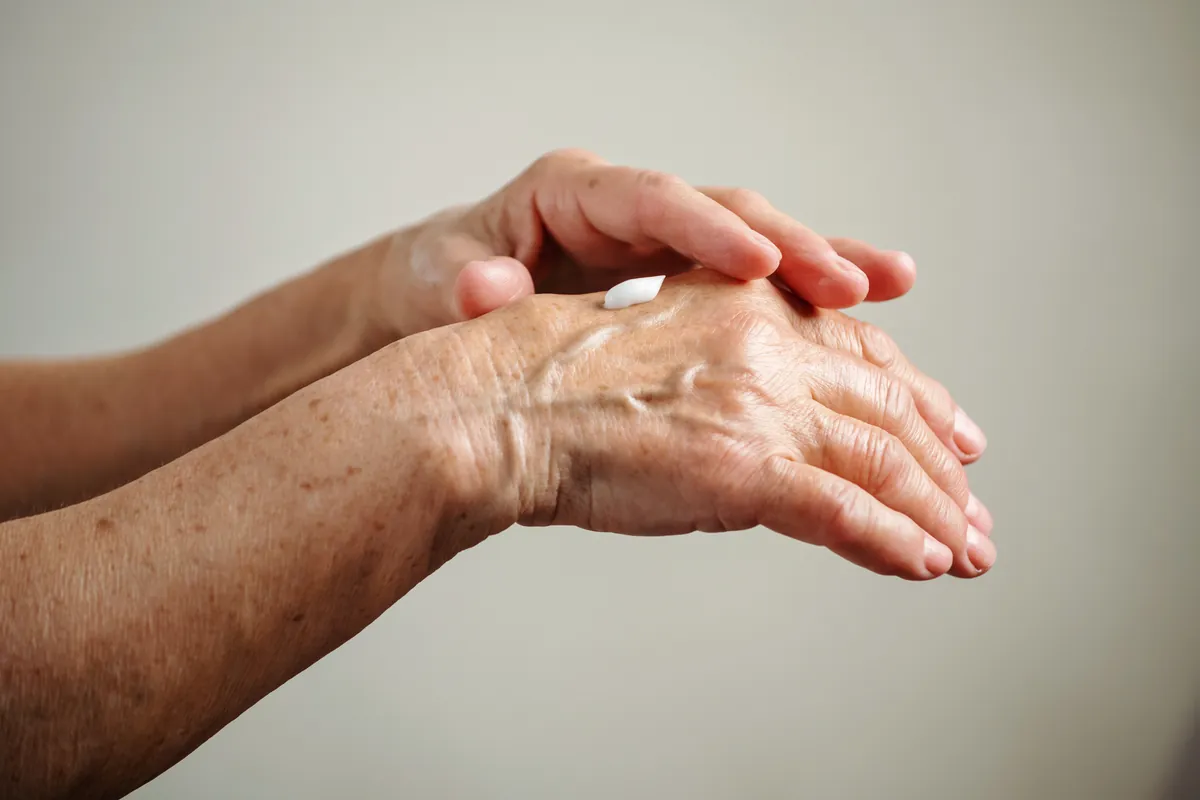 Navarro points to rising demand for products designed specifically for the female body.
“As many of us are also living longer in general, the concept of healthy aging is also expanding beyond aesthetics to encompass mobility, independence, and vitality. The attitude that we’re ‘in it for the long haul’ will favor supplements that support longer-term health resilience, rather than those simply offering short-term relief.”
Over the next few years, Bonachera expects to see the focus on women’s wellness solutions in personal care narrow even further to reach areas that have historically had less focus. He names endometriosis and polyendocrine metabolic ovarian syndrome, alongside growing interest in fertility and in prenatal and postnatal health.
“A large generation of women is moving through the menopausal transition, talking more openly about their experiences and demanding effective solutions to support them. Many women feel that current offerings are falling short.”
According to Bonachera, a survey of 2,000 peri-and post-menopausal women found that only 7% said they were very satisfied with the non-prescription options on retail shelves. “That gap is what the industry is now responding to,” he says.
Microbiome-based growth
In the developing white space of solutions for women experiencing menopause, Bonachera says that the gut microbiome is emerging as a promising and appealing target. He reports that 47% of peri- and post-menopausal women are interested in finding out more about how probiotics can address their symptoms.
Bonachera adds that the demand for microbiome-based ingredients has grown considerably as awareness of the gut’s role in skin, mood, and hormonal health has spread. That understanding sits alongside a consumer preference for natural, clinically-backed options. He explains that these facts make biotic ingredients easier for brands to explain and position.
“Because [biotics] are heat-inactivated, they are far more stable throughout manufacturing and storage than live bacteria, and they work in formats that live strains struggle with, such as creams. That stability, paired with clinical evidence, makes them so appealing to formulators.”
Formulation and historical challenges
Despite the surge of innovation for women-specific personal care solutions, there are still many formation difficulties beauty players face. Bioiberica’s Navarro calls the core challenge of making claims around a supplement targeting women’s wellness, substantiation.
Even though consumers are better informed than ever on the science behind the products they choose, many can feel overwhelmed by competing claims. Therefore, Navarro says products that feature sweeping claims are less likely to see success as they are too vague and unclear to engage science-minded shoppers on the hunt for clarity. 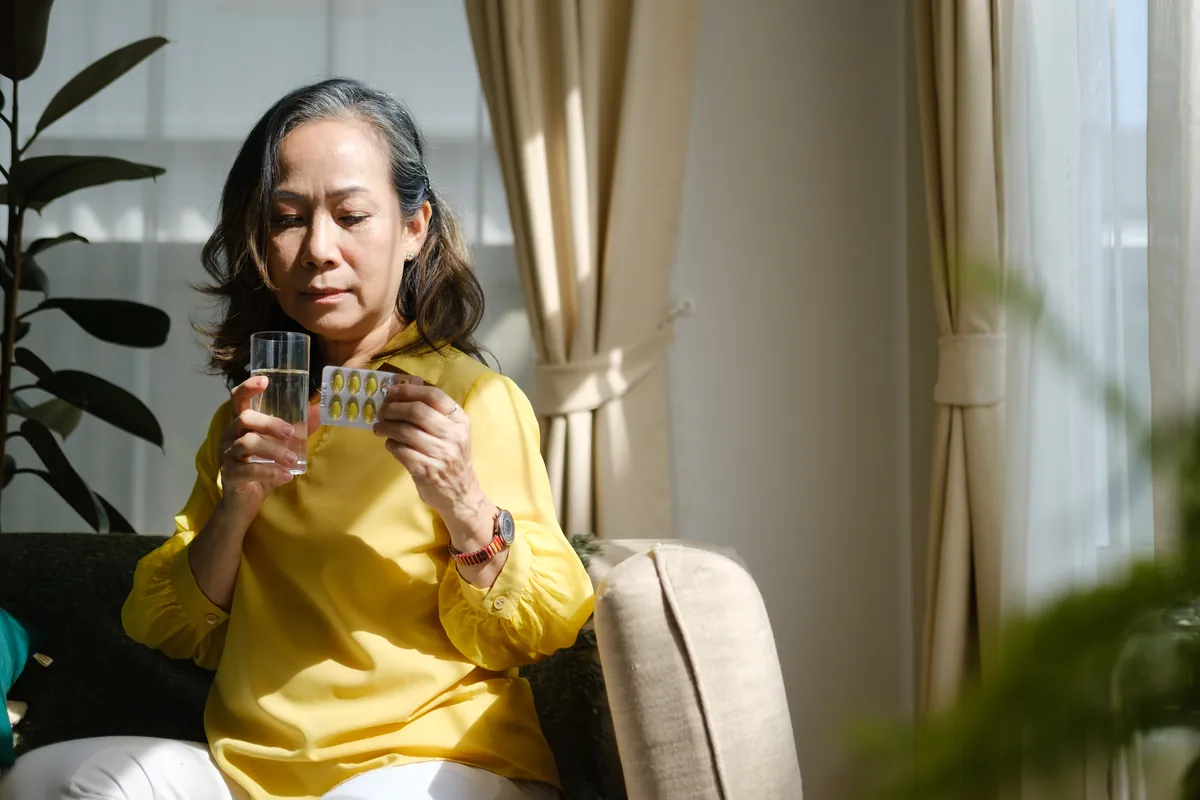 Declining estrogen levels affect skin structure, hydration, and elasticity during menopause.
Bonachera echoes the importance of scientific validation. He says for AB-Biotics, the factor that separates a lasting trend from a passing one is whether it stands on solid science.
“A fad tends to rest on a single ingredient or an appealing idea, and loses momentum once the novelty fades. A trend that lasts is tied to a real consumer need and can be supported by clinical evidence. The longevity shift meets that test, because it is grounded in biology every woman experiences and can be substantiated in properly designed studies,” explains Bonachera.
However, due to historical underfunding of women’s health, there are genuine gaps in the evidence surrounding personal care solutions that tackle hormonal balance. Navarro says this makes it even more critical for supplement brands to be specific in their clinical testing.
“The fact that women’s health has historically been underfunded and under-researched adds another layer of complexity… A study conducted on a general healthy adult population, for instance, may not be sufficient if the final target audience is women going through perimenopause,” she states.
Data from Women in Nutraceuticals reports that women are still underrepresented in clinical trials, with participation rates around 40% overall, and even lower in early-phase studies. Outcomes are also often not analyzed separately by sex, limiting understanding of how ingredients work specifically in women.
“We prioritize targeted research, including women-specific clinical studies, across the life stages relevant to women’s health,” concludes Navarro.