


Yoni CEO: Organic cotton and transparency advance menstrual care market


Key takeaways
- Yoni emphasizes organic cotton, ingredient transparency, and rigorous testing to build consumer trust in menstrual care.
- Climate change and cotton supply volatility are increasing pressure on brands to balance responsible sourcing, affordability, and product performance.
- Yoni argues that menstrual care should be treated more as a health category, with greater transparency and mandatory ingredient disclosure in Europe.
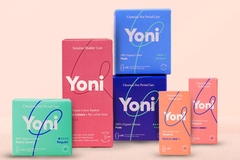
In an expanding menstrual care industry driven by consumers gaining awareness about product provenance and ingredient safety, brands that differentiate through eco-conscious and well-being-focused principles are gaining traction.
The intimate care segment has been experiencing growth as from consumers increasingly scrutinizing products for potentially harmful inclusions. In parallel, the personal care industry is balancing sustainability, efficacy, and affordability in a climate of volatile economies and fluctuating raw material availability.
Personal Care Insights sits down with Deniz Er Wiedhaup, CEO at Yoni, to discuss the heightened importance of transparency and reliability in intimate care. She tells us how the company cultivates trust with consumers in a sector with arguably one of the strongest necessities for it.
Er Wiedhaup unpacks emerging supply-chain challenges in the segment as climate change weighs on cotton harvests. Inversely, she acknowledges the potential detrimental impact of care products on the environment due to chemical use.
Yoni is the first eco-cotton intimate care brand available in mainstream markets. It was established in 2014 following co-founder Mariah Mansvelt Beck’s cervical cancer diagnosis. She was advised by her doctor to use organic cotton menstrual products. This led her to discover the significant gap in the market and the lack of transparency in market-standard products.
Over a decade later, menstrual care has become less taboo and has made strides to create a more inclusive and safe industry through campaigns, research, and legal action. Even so, some developments in the sector are slow to arrive, such as the first study to evaluate the presence of toxic metals in tampons, which was published only two years ago.
Setting the sustainability bar
Er Wiedhaup tells us that Yoni was established on the principle that products used on intimate areas should be made with ingredients and materials that people can understand and trust.
Yoni is pushing for greater transparency in menstrual care, calling for mandatory ingredient disclosure on menstrual product packaging.
“That’s why we use Global Organic Textile Standard (GOTS)-certified organic cotton for the parts of our products that come into direct contact with the body and avoid unnecessary ingredients such as perfumes, dyes, and plastic top sheets,” she explains.
She adds that GOTS ensures that the cotton is organically grown while setting strict environmental and social criteria throughout the entire supply chain. “It includes farming, processing, and manufacturing, as well as fair labor conditions such as no child labor and fair salaries.”
Er Wiedhaup says that sustainability credentials should not be based on materials alone, but also take their provenance into account. The company manufactures its products in Europe to reduce transport distances and maintain high production standards. For example, the company transports its pads from Italy by train.
“We recognize that no disposable menstrual product is impact-free,” says Er Wiedhaup. “We have reusable products in our portfolio, such as period underwear and cups. We also continuously improve packaging and materials, such as the use of carton or bioplastics in the package, while always putting intimate health first.”
Debating green claims
Er Wiedhaup stresses that the term “natural” cannot remain on a marketing claim level, but that companies must make “thoughtful, evidence-based choices that prioritize both health and performance.” Yoni touts testing its products to deliver absorbency, comfort, and reliability. The company claims this keeps it competitive with conventional intimate care alternatives.
Er Wiedhaup says that terms like “natural,” “clean,” and “sustainable” are often used interchangeably, even though they mean very different things.
“At Yoni, we believe transparency is more important than marketing buzzwords. Rather than simply claiming a product is ‘natural’ or ‘clean,’ we explain exactly what materials we use, why we use them, and what independent certifications, such as GOTS-certified organic cotton, stand behind those choices.”
Er Wiedhaup also advises that brands should be careful not to suggest that “natural” automatically means safe or that synthetic ingredients are inherently harmful. “Safety should always be based on scientific evidence, rigorous testing, and compliance with high-quality standards.”
Yoni has observed growing demand for more natural ingredients, although sustainability is no longer the primary purchase motivator for many consumers amid economic pressure. Er Wiedhaup says purchasing decisions are increasingly driven by product performance and personal health, with sustainability expected to complement rather than replace these benefits.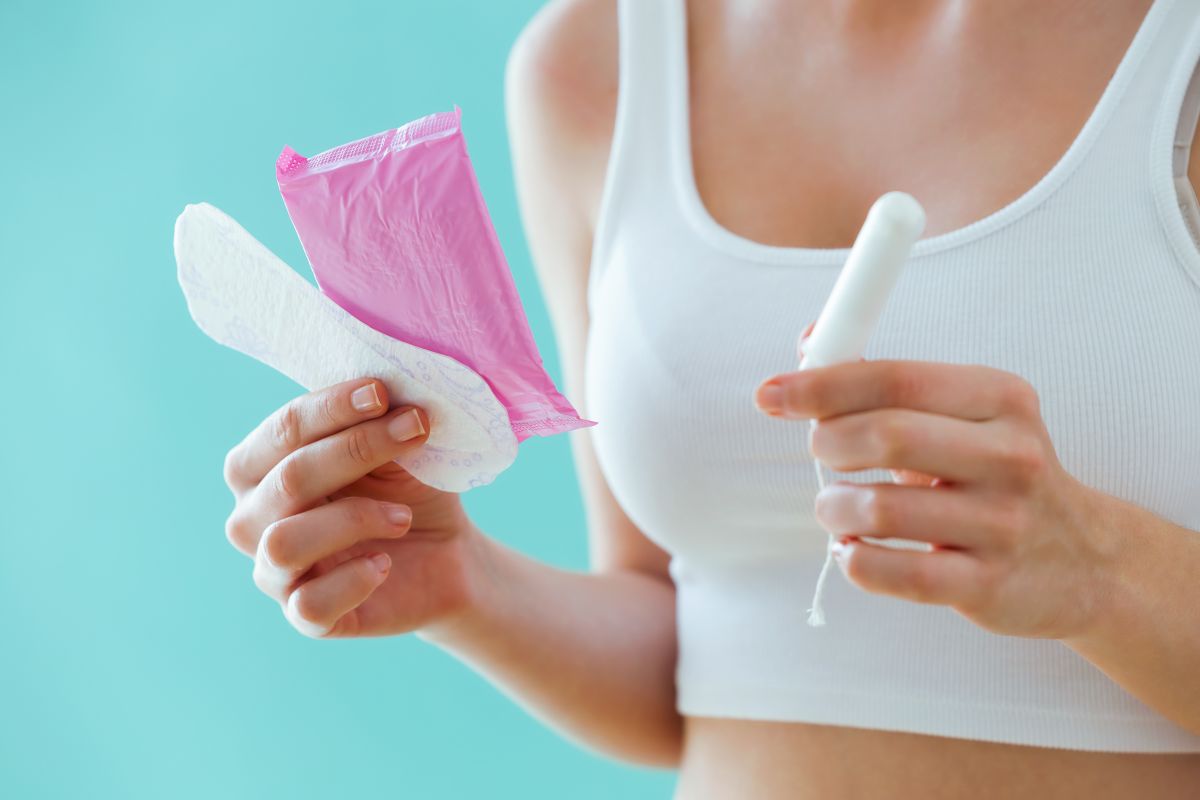
Climate change is creating new sourcing challenges for organic cotton used in menstrual care.
Cotton supply-chain limitations
The intimate care category is feeling the heat of an increasingly volatile agricultural environment caused by climate change, persistent droughts, and unpredictable weather patterns.
“While organic cotton still represents only a small share of global cotton production, conventional cotton is one of the most pesticide-intensive crops in the world,” Er Wiedhaup says.
“In many regions, it is grown using significant amounts of synthetic pesticides and herbicides, including glyphosate. These chemicals can have a negative impact on biodiversity, soil health, and water quality, and residues may remain in the environment after cultivation.”
She explains that residues of these chemicals may remain in products like cotton tampons or pads. GOTS-certified organic cotton is grown according to strict environmental standards, and without the use of synthetic pesticides and herbicides, Er Wiedhaup tells us.
Furthermore, GOTS certification gives Yoni visibility into how and where the cotton is produced as it mandates traceability. This allows the brand to track the course of cotton for each individual pack of pads.
Er Wiedhaup says that a tradeoff of using this type of cotton is that it makes Yoni’s products more expensive, but underscores that consumers rightly expect products to remain affordable.
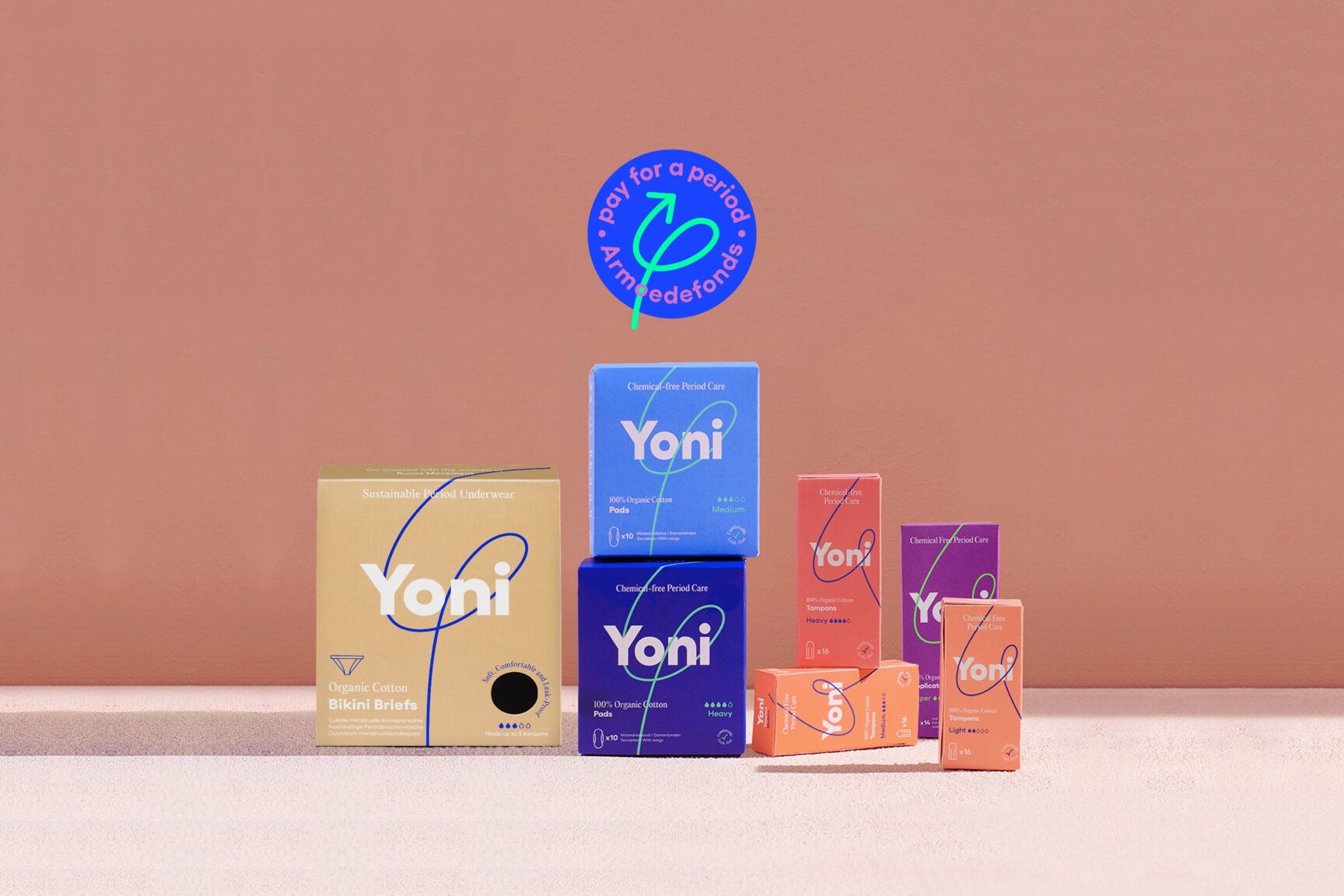
Yoni says menstrual products should be treated as a health category.
Changing tides
As an executive in the menstrual care sector, Er Wiedhaup closely observes the developments in the industry and its shortcomings.
“For decades, menstrual care has been treated as a functional category rather than a health category,” she says.
Er Wiedhaup draws the contrast between the cosmetics and menstrual products industries, stating that the latter has historically not been held to the same standard of transparency requirements. This has left many menstruating people without access to clear information about what their products are made of.
“This lack of transparency is closely linked to the stigma surrounding menstruation. When a topic isn’t openly discussed, there is less consumer demand for transparency, less public debate, and historically less investment in research and innovation,” she says
She states that intimate health has been under-researched and overlooked “for too long.” She tells us that while the field is seeing progress, such as through ISO 45010, she believes that there is still room for improvement.
“I believe Europe should go one step further and make ingredient disclosure on menstrual product packaging mandatory,” she stresses.
“[People] deserve the same level of transparency for period products as they expect from cosmetics or food. Ingredient transparency should become the industry standard, not a voluntary choice,” she concludes.