


Dove discusses why emotional care matters in men’s grooming


Key takeaways
- Men’s grooming is evolving, with a focus on emotional care and self-expression.
- Gen Z is driving the trend, embracing multi-step routines and experimenting with grooming products.
- Brands like Dove Men+Care are reshaping masculinity, moving away from rigid stereotypes and embracing authenticity.
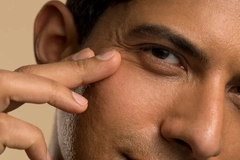
Men’s approach to personal care is shifting alongside attitudes and expectations of masculinity. Once rigid and hyper-masculine, the messaging of men’s personal care products has evolved to embrace a more nuanced, emotional, and self-expressive approach.
Augusto Garzon, global brand VP Axe & Dove Men+Care, sits down with Personal Care Insights to discuss the market changes in men’s grooming — from the rise of multi-step skin care routines to more inclusive and authentic brand messaging.
Today’s male consumers are not solely seeking functionality in their grooming products, but emotional connection and cultural relevance. This demographic tends to be more informed and experimental. They use social media to learn about skin care and grooming, particularly Gen Z.
Garzon highlights how the modern transformation of men’s care is powered by greater permission for men to engage in self-care. The stigma once associated with men’s grooming is said to be fading. Brands like Axe and Dove Men+Care say they have expanded the definition of masculinity to encompass care, emotional openness, and self-expression.
Find out where Garzon sees immense potential in the men’s grooming space. He details new possibilities emerging in fragrance, skin care, and wellness.
How have you adjusted your product catalogue and/or marketing strategy to cater more to men?
Garzon: Over recent years, we have seen men increasingly want products designed specifically for them, with nearly half now choosing male-targeted options compared with just 19% a few years ago. This surge is driven by growing confidence, better access to information, and an interest in adopting routines that go beyond basic hygiene.
At Unilever, we’ve expanded our ranges to meet both functional needs and emotional expectations. Men are adopting multi‑step routines, investing more in skin health, and embracing categories they once overlooked — from premium body washes and exfoliating scrubs to fragrance‑led innovation. In the US, Axe has also focused on premium fragrance deodorant collections. Our marketing approach leans into cultural relevance and humour, meeting younger men where they are and tapping into online trends, from wanting to #SmellLikeASnack to using fragrance as a form of self‑expression.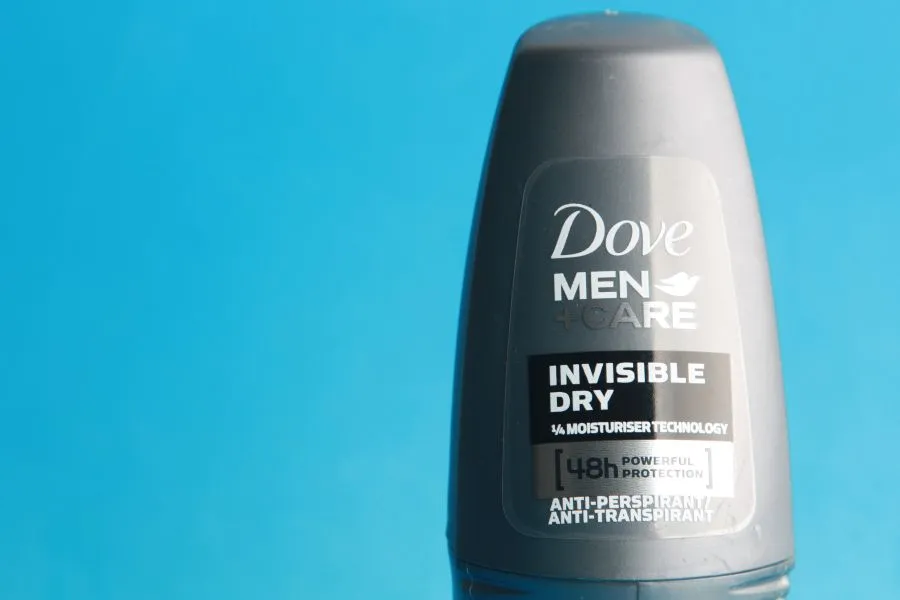 Dove says it focuses on authenticity in men’s grooming products.
Looking ahead, male grooming will continue to be shaped by greater scientific sophistication, more fluid expressions of masculinity, and a deeper integration of well-being into beauty routines. Men now expect high‑performance products with meaningful brand values, and we’re building our portfolio to lead that change.
Men’s care products are often marketed with hyper‑masculine packaging. How has this shifted over the years?
Garzon: Traditionally, hyper‑masculine cues — dark colors, bold lines, heavy typography — were used to reassure men that personal care ‘belonged’ to them. These signals reflected older expectations of what masculinity should look like, but that playbook is aging quickly.
Today, men want brands to speak with more nuance. They’re increasingly comfortable showing care, discussing their appearance, and adopting routines once seen as ‘not for them.’ Our redesigns reflect this shift: Dove Men+Care now balances strength with care through a modern, approachable aesthetic, while Axe embraces humour, vibrancy, and cultural relevance — avoiding clichés in favor of storytelling that resonates with younger men.
As the industry moves away from rigid masculinity, I expect packaging and messaging to keep evolving. Men increasingly want brands that reflect who they truly are: diverse, expressive, and engaged in self‑care on their own terms.
How are young men now treating their appearance differently from past generations?
Garzon: Younger men today are more informed, experimental, and engaged with their appearance than any generation before them. Social media has democratised knowledge — skin care advice, grooming routines, and product reviews now circulate widely – giving men new confidence and clarity in navigating the category. Gen Z is driving this shift. Their routines are increasingly multi‑step, not out of trend‑chasing, but because they value results and self‑expression.
Men are confidently exploring new formats, scents, textures, and a wider range of products. They care about fragrance as much as efficacy, and they want brands to show up authentically through humour, self‑expression, and social values.
Do you think part of the shift in men being more interested in personal care can be attributed to the rise in stricter beauty standards for men?
Garzon: Yes, rising expectations do play a role, but we see the most significant shift as being internal. Men feel more permission to care. The old taboo around grooming has broken down. Brands like Dove Men+Care and Axe have helped expand the definition of masculinity to include care, expression, and emotional openness. When men feel seen and represented, they’re far more willing to engage.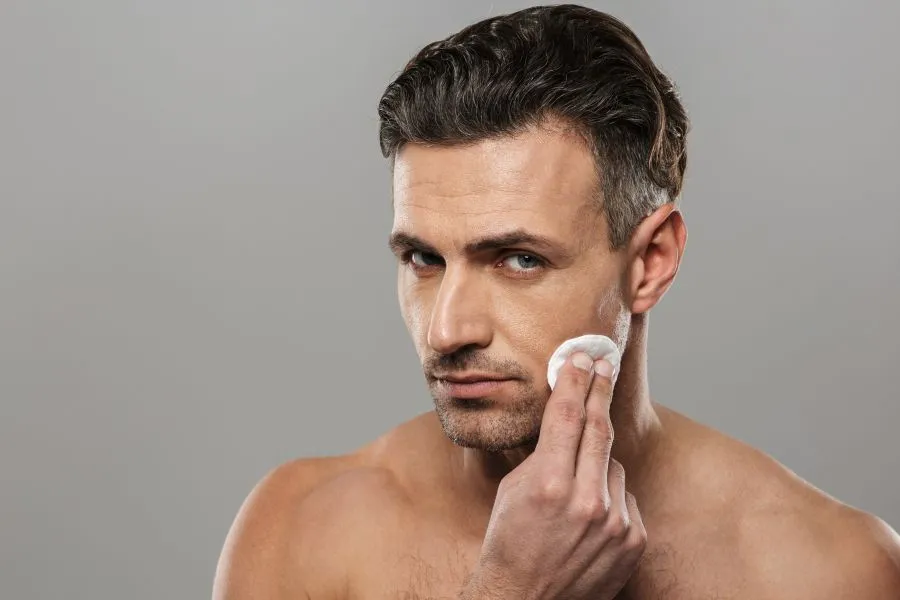 Male consumers are confidently exploring self-care and grooming routines.
So yes, standards are rising, but openness is rising faster. Men are redefining what it means to look after themselves, and that is a hugely positive cultural change.
What does the future of the men’s care market look like?
Garzon: What excites me most is that this transformation is still in its early stages. Men’s personal care is one of the most dynamic areas in beauty today — a market worth over US$50 billion and growing. We’re seeing cultural change, scientific advancement, and digital influence combine in ways that empower men more than ever. Whether it’s young men using fragrance as identity, dads embracing self‑care as part of showing up for their families, or Gen Z rewriting masculinity with humour, this space is full of possibility.
Across all of this, our north star remains delivering care with impact and desire at scale — creating products that genuinely serve men while shaping a world where every man feels confident expressing who he truly is.