



Ethisphere talks ethics, third-party risk and the lessons of the Kimberly-Clark fire


Key takeaways
- Kimberly-Clark was recognized by Ethisphere as one of the 2026 World’s Most Ethical Companies.
- Shortly after the recognition, a fire was lit at a Kimberly-Clark facility, bringing the company’s ethics into question.
- Ethisphere tells us about the vitality of integrity and ethics in personal care companies.
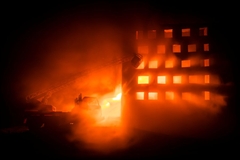
Kimberly-Clark was named one of the 2026 World’s Most Ethical Companies by Ethisphere for the eighth consecutive year in mid-March. A week into April, its California warehouse was torched by a worker contracted with a third-party logistics company, who cited being paid below-livable-wage as his motive.
In its statement immediately after the fire, Kimberly-Clark outlined that the building in question was “leased by Kimberly-Clark and operated by NFI Industries,” the third-party logistics company. The personal care corporation also confirmed that “the individual apprehended by authorities is not a Kimberly-Clark employee.”
Personal Care Insights reached out to Ethisphere and Kimberly-Clark for comments regarding the ethics recognition in the interim of the release and the fire. Ethisphere got back to us after the fire, while we received our last correspondence from Kimberly-Clark on April 6 — the day before the fire took place.
We speak to Bill Coffin, editor in chief at Ethisphere, about what ethics and integrity mean in personal care companies. He shares the potential consequences of lacking ethics in a company’s operations and the lessons beauty companies can take from the Kimberly-Clark warehouse fire.
“Kimberly-Clark is an eight-time World’s Most Ethical Companies honoree. That reflects a deeply held, long-term commitment to ethics and integrity. The strength of their compliance department, their ethical culture, their dedication to environmental and social impact, how they handle third parties, and their overall governance are also the same things that help them reduce risk, win customers, and improve profitability,” says Coffin.
The intimacy of personal care
Coffin states that company ethics in any industry is vital. He tells us that in the personal care industry, ethics can be particularly visceral as “the nature of those products is inherently personal and perhaps even intimate, which creates a special bond between brand and consumer.”
“When you are trusting a company with your very body, there is an opportunity there to build extraordinary trust, but that trust must be earned, and a trust is earned in large part by the ethical conduct of the organization, by how it upholds its promises to itself and others, and by how it behaves even if times get tough.”
“Customers are smart,” says Coffin. He tells us that consumers are able to identify when organizations are being untruthful or disingenuous. Coffin details that since beauty companies are “in the business of taking care of people on a personal level,” they need to have tangible proof of their ethical actions.
“Whether it’s how you benchmark your program, how you reach out to the community around you, how your executives behave under duress, how your employees experience their daily roles at work, all of those things show people what it really means to live with integrity.”
A worker scorned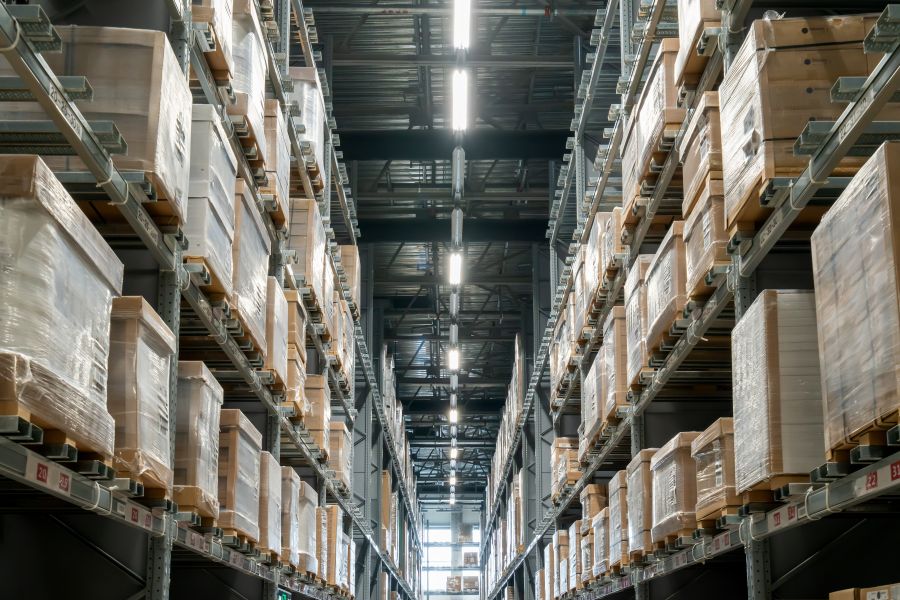
The California warehouse fire has sparked important conversations about company ethics.
We asked Ethisphere what the risks are for companies when ethics and integrity are insufficiently embedded into operations — whether in supply chain, marketing, safety, or governance.
“I think we can’t have an honest discussion about this particular question without acknowledging the recent Kimberly-Clark warehouse fire,” says Coffin.
“In that incident, it appears that a disgruntled employee deliberately set fire to a large paper product inventory, which destroyed about US$550 million in inventory as well as the US$150 million warehouse itself.”
Coffin opted not to divulge further details on the fire, as much of the case is still under investigation. However, he says that the situation draws attention to how consequential third-party risk can be.
Coffin underscores that the case appears to stem from an employee who was upset with their employer, “which was a third-party contracted by Kimberly-Clark.” The situation highlights that even companies with ethical accolades can face controversy and poor public opinion from associated partners.
Financial cost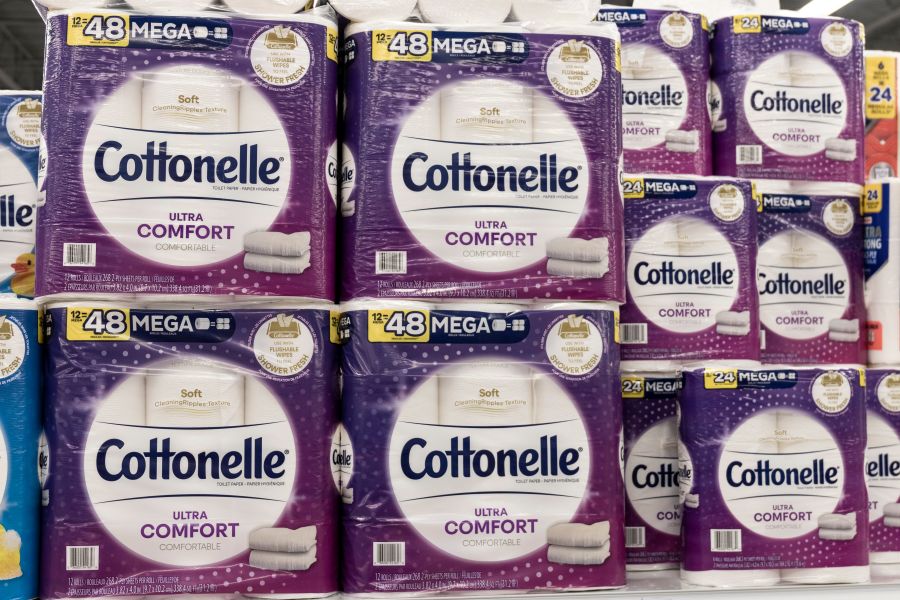
Kimberly-Clark’s warehouse fire caused significant inventory loss and operational disruption.
Twenty-nine-year-old warehouse employee Chamel Abdulkarim was enthused by the prospect of costing “billions” in financial damage as retribution for his low wages.
While that figure proved overambitious, the financial impact was substantial. Overall damages — including the destroyed warehouse and inventory — were estimated in the hundreds of millions of dollars.
Kimberly-Clark estimates the fire will reduce its Q2 revenue by around US$20 million. The company also activated emergency logistics protocols to maintain supply continuity in the aftermath.
“The company has activated its coordinated response plans and is working closely with local logistics providers to maintain continuity for customers. Teams have identified alternative locations for inbound shipments and are securing additional warehousing capacity through local partners. The company is working through mitigating any short-term disruptions as these plans are executed,” read Kimberly-Clark’s statement after the fire.
Abdulkarim was booked on charges of felony arson of a structure and aggravated arson. In the criminal complaint made in the US District Court for the Central District of California, Abdulkarim is quoted from a text message he sent to a coworker saying, “All you had to do was pay us enough to live. Pay us more for the value we bring. Not corporate. Didn’t see the shareholders picking up a shift.”
The livable wage in San Bernardino, California, is estimated at around US$27.60 per hour by the Massachusetts Institute of Technology, while NFI industries is reported to pay its floor workers US$18 per hour.
“Every business in the world requires a social license to operate. Perhaps one of the most important aspects of business ethics is being aware of that social license, understanding what could undermine it, making sure that you have practices in place to prevent its corrosion, and always, always, always, doing the right thing,” Coffin concludes on the lessons to learn from the fire.