




Webinar preview: How neurocosmetics and personalization shape beauty’s future


Key takeaways
- Neurocosmetics combines neuroscience with skin care to address both emotional and physical well-being.
- Personalized beauty can go beyond skin type, integrating emotional health to create tailored solutions.
- The growing demand for mood-enhancing, stress-relieving products is driving innovation in the beauty industry.
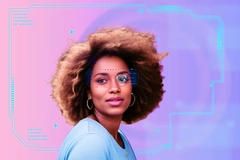
The personal care industry is experiencing a shift toward more science-driven, customized beauty solutions. One of the most intriguing developments in this area is neurocosmetics, a field that blends neuroscience with skin care. This emerging sector is expanding the potential of beauty products, offering consumers a more personalized, holistic approach that goes beyond the surface of skin care to include emotional and mental well-being.
Neurocosmetics explores the intricate relationship between the brain and the skin, known as the brain-skin axis. Research in this area has shown that our emotional and mental states can directly affect our skin’s health. While using cosmetics to elicit an emotional response is not new — and things like aromatherapy are ancient practices — new science and consumer desire are opening new avenues for neurocosmetics rooted further in science.
Stress, anxiety, and mood fluctuations can contribute to conditions like acne, inflammation, and premature aging. Similarly, the state of our skin can impact how we feel emotionally. Neurocosmetics seeks to address this connection by developing products that not only improve the skin’s appearance but also influence neurological and emotional responses.
With a focus on creating products that reflect the biological and emotional needs of individuals, neurocosmetics can converge with the personalized beauty trend and create unique beauty solutions that go beyond skin deep.
On May 7, Personal Care Insights will explore the intersection of neurocosmetics and personalized beauty in a webinar, looking at how these areas will shape the future of personal care. Join us for a comprehensive discussion featuring insights from two experts in the field, Eloïse Gerardin, CEO of Brain Impact Neuroscience, and Dr. Claudia Aguirre, a leading neuroscientist in the beauty industry.
Registration for the webinar is accessible for free here.
Science behind neurocosmetics
Neurocosmetics centers on the idea that the skin is not just a physical barrier, but a sensory organ that communicates with the brain. Neurocosmetic formulations are designed to interact with the nervous system, triggering physiological responses that can reduce stress, improve mood, and even enhance cognitive function, all while improving skin health.
This emerging science can provide opportunities for the development of more personalized skin care products that cater to an individual’s specific needs, not just based on skin type but also on emotional and neurological factors.
“I think the general rise in everything ‘brain’ related is driving this cosmetic trend. Brain optimization, biohacking, and even the longevity movement are all driving interest,” Aguirre tells us.
“Neurocosmetics, ingredients that work at the level of the skin’s peripheral nervous system, have arguably been around for nearly two decades. For example, back in 2008, a peptide was released that targeted neurosensitive skin, and by 2010, we had launched a range of products that had ingredients aimed at reducing neurogenic inflammation. From neuropeptides that dampen neurosensitive skin to age-old calming scents and textures, these skin care properties are seeing a resurgence.”
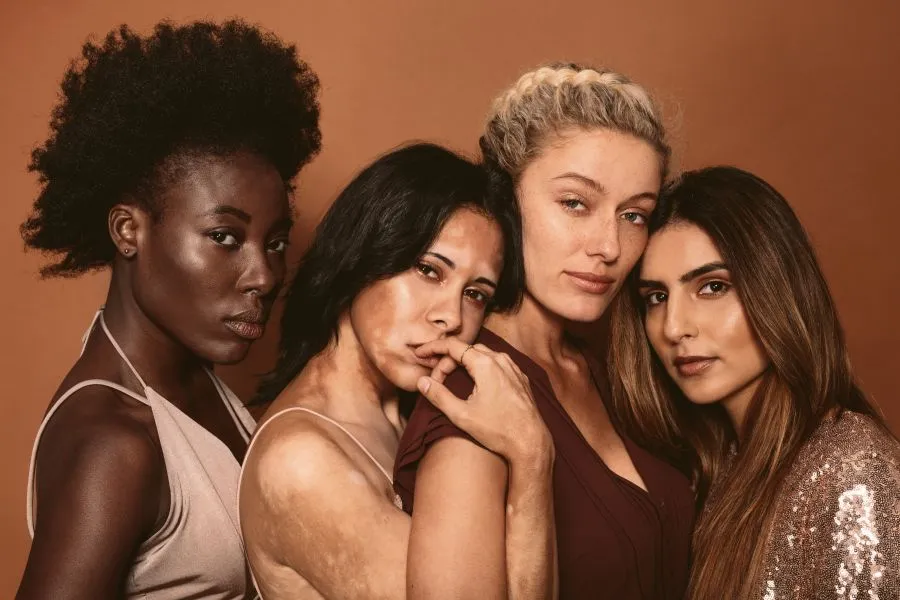 Personalized beauty solutions cater to individual needs. Instead of simply addressing cosmetic concerns like wrinkles or dark spots, neurocosmetics aim to have a broader effect. These products are designed to enhance the consumer’s emotional well-being, help manage stress, and promote relaxation. This shift represents a deeper understanding of the holistic nature of beauty — one that incorporates both mental and physical health into the equation.
The personal care industry is increasingly viewing beauty solutions as needing to provide multifunctional and holistic well-being solutions, rather than being single-faceted.
“Consumers having a better understanding of their nervous systems will help bridge the gap between neuro-related cosmetics and personalized beauty,” adds Aguirre.
Personal Care Insights recently unpacked how consumers’ well-being demands are fueling the buzzing neurocosmetics sector. Experts at In-cosmetics told us that consumers are driving demand for mood-enhancing, holistic beauty solutions that offer stress relief and sensory benefits. At the show, innovation focused on science-backed ingredients and technologies that address both environmental stress and emotional health.
Expanding personalized beauty
Personalized beauty has often focused on factors such as skin type, environment, or genetics, but neurocosmetics takes personalization a step further. It recognizes that emotional well-being plays a significant role in skin health. Stress, for instance, can trigger inflammation or exacerbate existing skin conditions, while mood enhancement can have a direct impact on skin radiance and overall appearance.
In this context, personalized beauty expands to consider the emotional and mental states of consumers. Products can be developed to address how a person feels, offering solutions that could help manage stress, boost mood, or promote relaxation. This personalized approach is based on an understanding of how neuroscientific principles can be applied to create more tailored, effective beauty products.
“Marketers are becoming more aware and open to cross-collaboration with other brands in the wellness space, from functional drinks to meditation spaces to hotels that close the loop for their shared consumers. Overall, a win-win as cosmetics brands can expand their consumer base and wellness seekers can find their favorite brands working together,” says Aguirre.
The demand for products that provide mood-enhancing benefits is growing as consumers look for beauty routines that address both their skin and emotional health. Neurocosmetics offers a promising solution, creating products that do more than just improve the appearance of the skin — they help consumers feel better, too. The integration of neuroscience into beauty is setting the stage for more customized solutions that consider both the emotional and physical aspects of self-care.
“There are some recent research papers aiming to categorize ingredients in this genre, and I like to define these ingredients as the ones that target the peripheral nervous system directly,” explains Aguirre.
“Another ingredient that is more recent targets the skin’s cortisol and endorphin pathways. I would consider these to be neurocosmetic ingredients (although when I launched a line of products back in 2015 with these, we did not call them by this name). There are many soothing ingredients like aloe and oat, but these do not act on the nerve pathways that neurocosmetics act on.”
Talking to industry experts
In the upcoming webinar, we will delve deeper into how neurocosmetics and personalized beauty are shaping the future of the beauty industry. The session will feature insights from Eloïse Gerardin, CEO of Brain Impact Neuroscience, and Dr. Claudia Aguirre, a renowned neuroscientist specializing in the beauty industry. Both experts bring a wealth of knowledge to the discussion, shedding light on the latest developments in neurocosmetics and how they are being applied to create innovative, mood-boosting skin care solutions.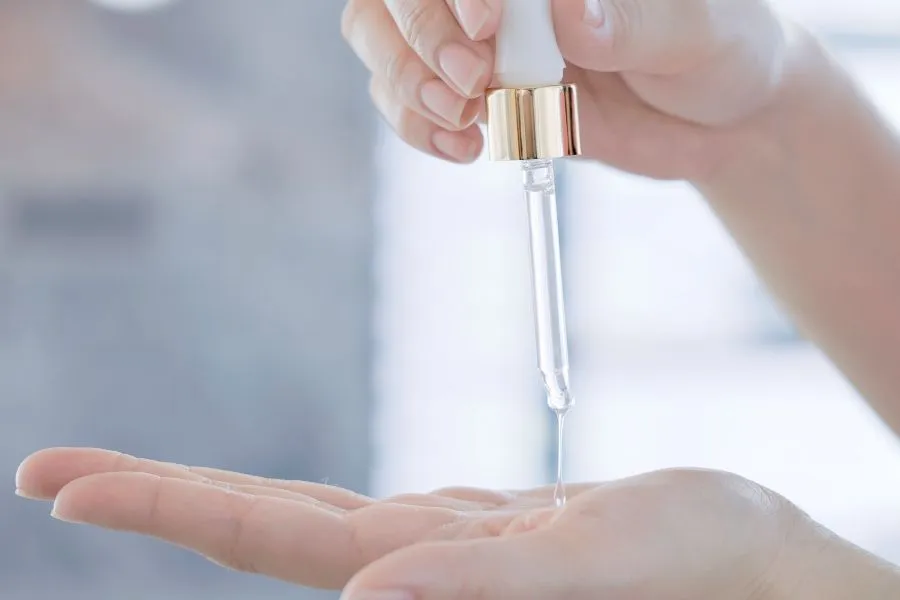 Neuroscience drives innovation in skin care formulations.
Eloïse Gerardin’s expertise in data science and neuroscience research allows her to have a unique perspective on the growing importance of data-backed neurocosmetics. The industry is placing greater emphasis on evidence-based approaches, which are crucial for fostering consumer trust, rather than merely riding the trend wave.
Dr. Claudia Aguirre, known for her pioneering work in neurocosmetics, can explore how the emotional and psychological aspects of beauty are becoming increasingly important. She can also give insights on how brands can tap into the growing space of neurocosmetics, now, for future success.
Together, the two will provide a comprehensive view of the future of personalized beauty, discussing how neurocosmetics can address a wider range of consumer needs. They will also explore the opportunities within this growing field and what companies should focus on to resonate with today’s consumers.