



American Academy of Dermatology flags generational gaps in sun safety


Key takeaways
- The AAD reports that Americans lack proper sun safety knowledge, despite high sunscreen use.
- Gen Z is especially vulnerable due to misinformation and tanning myths.
- Sun protection habits, such as using sunscreen daily, can prevent skin cancer and premature aging.

The American Academy of Dermatology’s (AAD) annual Practice Safe Sun Survey results show that many US Americans do not practice adequate sun safety, with misinformation, social media, and tanning myths acting as driving factors.
In the national survey of 1,132 US adults, the AAD found key gaps in information and sun safety literacy. While over half of the surveyed report regular use of sunscreen, almost half also received a C or lower score on AAD’s sun safety quiz, which assesses knowledge related to sun protection.
Compared to previous generations, Gen Z is performing poorly in sun safety, with one in three scoring a D or F on the AAD sun safety quiz despite high self-reported confidence in their sun care knowledge. The discrepancy underscores a rift between perceived and actual knowledge, making the demographic vulnerable to skin health issues due to a lack of proper prevention.
According to the Melanoma Research Foundation (MRF), an estimated 8,510 people will die from melanoma in the US in 2026. Yet more than 90% of melanomas are linked directly to increased UV exposure and are categorized as preventable and highly treatable in their earliest stages.
During Skin Cancer Awareness Month (May) and Melanoma Monday (May 4), the personal care industry is pushing toward better sun protective habits through various launches and campaigns.
Sun information gaps
Misinformation about tanning can lead to skin damage.
Although consumers report concerns related to the long-term aging effects of ultraviolet (UV) radiation exposure, myths and misinformation around sun safety persist.
The AAD survey shows that, despite 57% of Americans reporting regular use of sunscreen, one-third have reported getting sunburnt in the past year. Almost half of Americans received a C or lower on the AAD sun safety quiz, even though 67% of them rated their own habits as “good” or “excellent.”
Online misinformation is prevalent in sun safety discrepancies. According to the AAD, over 16 million adults reported reducing or stopping sunscreen use because of online claims, with younger audiences particularly affected.
“While it’s encouraging that over half of Americans are using sunscreen, young people and adults are navigating an overwhelming amount of conflicting information about sun protection,” says Murad Alam, AAD president and board-certified dermatologist.
“Misinformation reinforces harmful tanning myths, leading people to underestimate the risks of UV light exposure and ignore protective measures. It’s important to evaluate the source of medical information and make informed skin care decisions by seeking advice from a board-certified dermatologist. The reality is that window glass cannot stop harmful rays, and no amount of sun exposure is necessary or completely safe.”
Demonstrating people abandoning sun care, last year, achieving “burn lines” gained traction on social media among teenagers and young adults. The trend involved burning the skin intentionally to achieve tan lines. It sparked health concerns among experts, and industry players pushed against the burn lines.
In the AAD’s survey, it reports that across generations, 21% of Americans use internet influencers for skin care advice. For Gen Z, the figure is higher, with 36% naming influencers from platforms like Instagram and TikTok as their primary source for sun care information.
The AAD reports that almost half of the general American population, and 64% of Gen Z, say they have come across sun safety misinformation online.
This time last year, the AAD reported that Gen Z’s preference for achieving a tan was rising despite its harm. Half of Gen Z and millennials reported getting sunburned in the year.
In the new survey, worries about long-term skin health are becoming increasingly apparent as more people are seeing the consequences of sun exposure over time. Half of adults say they are concerned about premature skin aging.
Seventy percent express regret and say that they wish they had made better efforts to protect their skin from a younger age. Still, 21% are not aware that sunscreen helps prevent premature aging, and 26% do not realize it can prevent dark spots.
“Data show that many Americans are learning about long-term sun damage the hard way,” says Alam.
“The effects of UV exposure build over time — driving premature aging and increasing the risk of skin cancer, which is now the most common form of cancer in the US. The good news is that much of this damage is preventable with simple, consistent sun protection habits.”
The tanning myth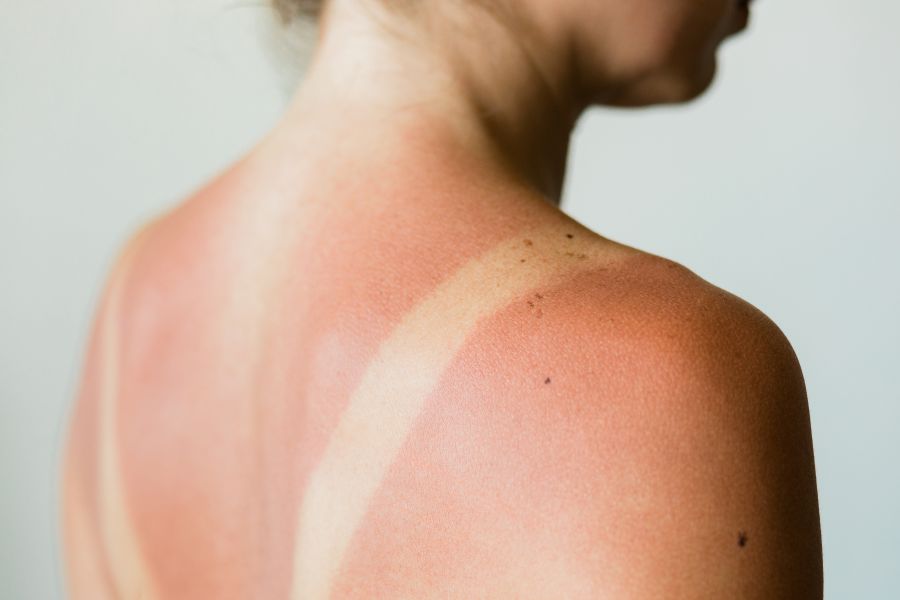
Gen Z faces a growing risk due to sun safety myths.
The AAD reports that one enduring myth is that tanning is harmless or even healthy. Any tan is a sign of UV damage, says the association, and can increase the risks of skin cancer while accelerating premature aging.
“There is no such thing as a safe tan. Every time you tan or burn, you are also damaging the DNA in your skin, and the more damage, the greater your risk of skin cancer,” added Alam.
“There is a disconnect driving high rates of sunburn, with consequences that go far beyond just temporary discomfort. Sunburns cause pain and embarrassment in the short term, and over time they make the skin look wrinkled, spotted, and old, while also dramatically increasing the risk of skin cancer.”
One in five Americans will develop skin cancer in their lifetime. Still, over 160 million American adults got a sun tan in 2025, with 60 million reporting getting their tan intentionally.
A vast majority of those surveyed reported appearance-related motivations for their tans, with 83% of adults across generations believing that sun exposure gives them a “healthy-looking glow.” Additionally, 55% believe that tanned skin gives them a healthier appearance.
Of those surveyed, 52% were found to believe at least one myth related to tanning, including 29% who believe that tanning is safe without burning, or 19% who believe that a base tan can mitigate sunburn or reduce the risk of cancer.
Industry efforts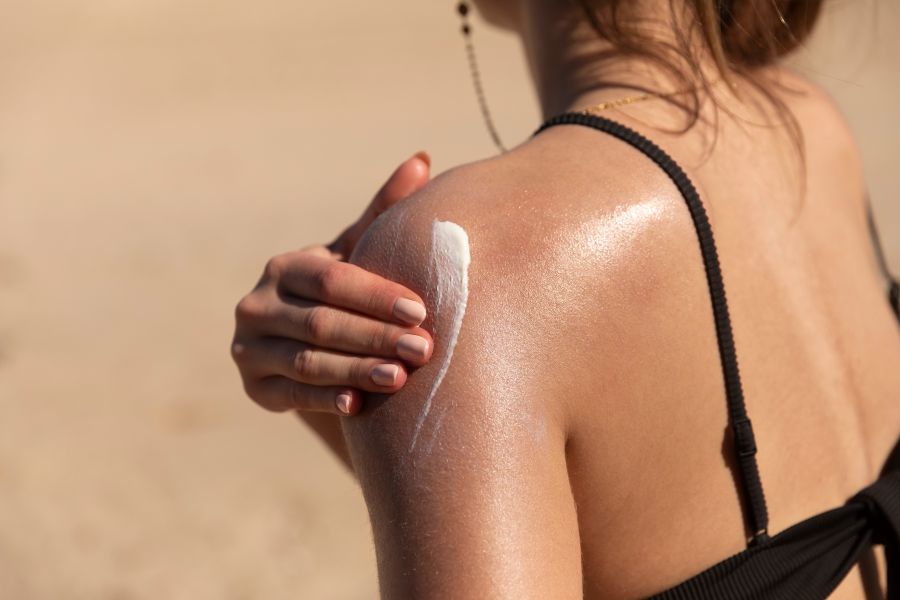
Sunscreen use can help prevent premature aging.
EltaMD has launched a limited-edition design of its UV Daily Broad-Spectrum SPF 40 for a “buy one, give one” initiative aimed at skin cancer prevention. The SPF brand, known for its zinc-oxide-based products, is pledging to donate one sunscreen product to the MRF for every piece sold, up to US$1 million in retail value.
“With this year’s Skin Cancer Awareness campaign, we’re evolving the conversation around SPF, pairing a meaningful give-back with a design-forward approach,” says Echo Sandburg, chief marketing officer, Colgate-Palmolive Skin Health US.
“We selected UV Daily for this initiative because by wrapping this daily essential in a vibrant, limited-edition design, we’re providing a visual reminder on the vanity to reinforce daily use of sunscreen.”
EltaMD is also sponsoring the MRFs 2026 #GetNaked campaign. Joined by Below Deck Down Under star and melanoma advocate, Jason Chambers, the campaign encourages widespread skin self-examination habits using the ABCDEs of melanoma.
The #GetNaked campaign urges people to get annual skin checks with a board-certified dermatologist and practice sun-safe habits. Additionally, it hosts educational opportunities and amplifies the stories of melanoma patients to raise awareness.
Similarly, multiple organizations in the personal care sector recently joined forces for a cross-industry initiative to promote daily sun protection as a critical public health priority under the #WearSunscreen campaign.
The campaign, which aims to increase daily sunscreen usage, saw the collaboration of the Personal Care Products Council, the Consumer Healthcare Products Association, and the Health In Hand Foundation, with support from the MRF and the Skin Cancer Foundation.
Additionally, the men’s natural personal care brand, Dr. Squatch, is expanding into sun care by launching Spray Sunscreen. The mineral SPF 30 product is designed specifically for men and is said to deliver protection without greasiness — underlining the market demand for sun care solutions featuring a pleasant sensoriality.
The Spray Sunscreen uses zinc oxide and leverages vitamin E and coconut alkanes for skin support.
“At Dr. Squatch, we focus on raising the standard for what guys expect from personal care,” says Josh Friedman, CEO at Dr. Squatch. “Sun protection is one of the most important steps in any routine, but it’s often overlooked or avoided.”