
Balchem sees ingestible beauty surge from anti-aging and GLP-1 boom

Key takeaways
- MSM supports collagen and skin health, offering a unique mechanism for anti-aging.
- Demand for ingestible beauty is rising, driven by younger consumers and the popularity of weight loss drugs.
- Formulators seek clinical proof and safety data, with Balchem focusing on education and clear claims.
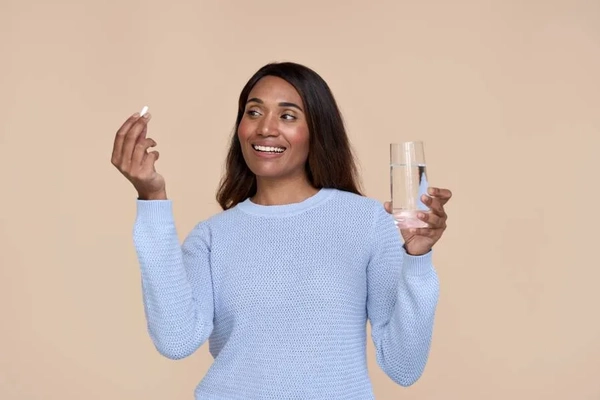
The demand for ingestible beauty is rising, driven by younger consumers and the side effects of rapid weight loss drugs. Cosmetics shoppers are seeking beauty-from-within and preventative anti-aging solutions. Balchem’s Methylsulfonylmethane (MSM) positions itself as a solution to all these demands.
MSM is an organic sulfur-containing compound that plays a large role in human nutrition and offers multifunctional skin care benefits.
Personal Care Insights sits down with Jessica Arnaly, senior marketing and business development manager at Balchem Human Nutrition and Health, to discuss the company’s latest clinical findings on MSM for skin care applications and how sulphur taps into beauty-from-within.
MSM ingredients, including Balchem’s OptiMSM, act as a sulfur donor by supporting keratin and collagen synthesis, which are critical for skin structure. MSM also has antioxidant properties.
Arnaly explains: “Unlike collagen and hyaluronic acid, there is a bit of a different mechanism of action at place here. MSM works indirectly by enhancing non-cellular processes and reducing oxidative stress, which is the primary difference between MSM and other products, such as hyaluronic acid or collagen.”
Innova Market Insights data indicates that beauty supplement launches are rising globally, with 21% growth from October 2019 to September 2024. Nearly half (46%) of beauty supplement launches were in Europe.
Formulators demand science
Clinical evidence and science-backed claims are very important for formulators.
Balchem says it has multiple peer-reviewed human trials and clinical studies that consistently support the claims that it makes on the market. Arnaly mentions a few crucial criteria.
 Younger consumers are now seeking anti-aging skin care, wanting preventive care.“It is very important that we have a gold-standard type of studies to demonstrate efficacy to formulators. Another criterion I would include is the mechanism of action, clarity, and how much they understand how MSM influences collagen synthesis, the antioxidant pathways, and how it works.”
“Also very important is the safety profile of OptiMSM, which is an extremely safe ingredient with new safety studies that we can show to formulators.”
Arnaly says Balchem is aiming to show the simultaneous effects of adding MSM to collagen formulations.
“We know that pairing MSM with hydrolyzed collagen and vitamin C is going to optimize collagen cross-linking. We are really looking into that. When it comes to clean labor, it is a global trend that consumers want.”
She adds that Balchem is exploring ways to avoid unnecessary additives and minimize the introduction of new ingredients into formulations. Additionally, she explains that it is essential to choose a high-quality collagen, so hydrolyzed or collagen peptides would be suitable for these types of formulations.
Drivers of interest
Balchem explains that MSM offers a solution for the growing demand from younger consumers who want anti-aging skin care.
The age group seeking longevity-based solutions has shifted to younger generations, now wanting preventive care. Arnaly explains that demand used to come from consumers aged 40 to 50 who were the first to start using anti-aging products.
“Starting earlier with the prevention of skin aging at ages 20 to 30 is a different strategy shift that we see in consumers’ behaviors,” she says.
“There is [also] a growing awareness of cellular health and how oxidative stress and inflammation are going to be a root cause of aging, and what ingredients can help prevent that and accompany consumers into their healthy aging journey.”
“Another trend is holistic wellness. People really know how to take care of their skin by using UV protection and creams. Now, they are more aware of the inner beauty benefits of ingestible beauty.”
Arnaly details that the ingestible beauty market is growing at 8% CAGR year after year. Innova Market Insights flags that 30% of beauty supplements feature joint health claims.
OptiMSM is a whole-body wellness ingredient that can also offer benefits for joint function, mobility, and sports performance.
Apart from enhancing the skin’s appearance, the ingredient aims to help consumers lead a healthier and more active lifestyle.
“There is a growing consumer demand for complementing the skin care routine with supplements,” she says.
Ozempic face
The weight-loss drug Ozempic and other GLP-1 drugs are gaining popularity for their rapid slimming results, although side effects on the skin, such as premature aging, have been reported. This has created an opening in the market for targeted skin care solutions.
Arnaly explains that the rapid weight loss can cause the skin to sag and lose elasticity.
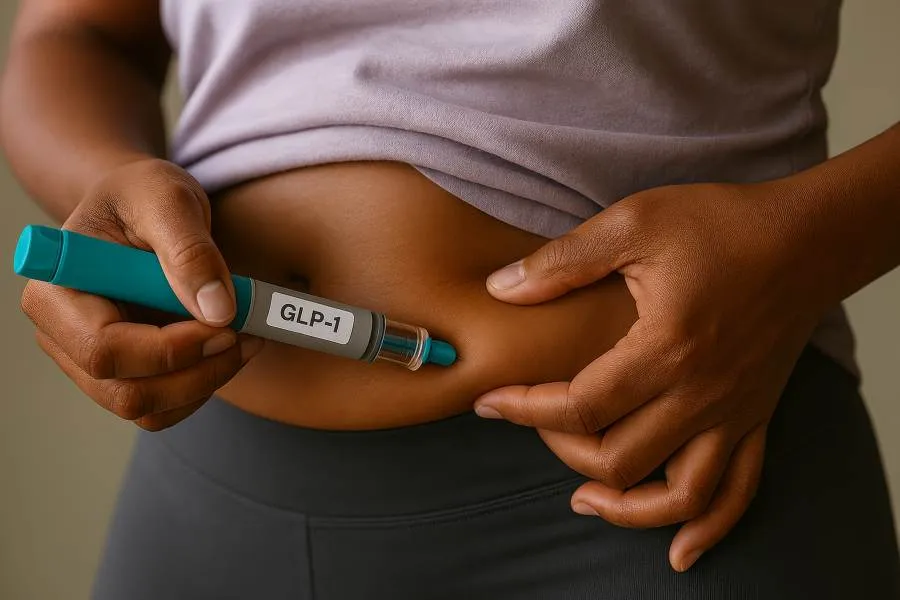 Rapid weight loss can cause the skin to sag and lose elasticity.“When in your GLP-1 journey, you are looking at different supplements to help your skin maintain its structure, hydration, and elasticity. You can look at different types of ingredients, including MSM, collagen, hyaluronic acid, and anything that will help your skin maintain its structure during this very fast journey that you put your body through,” she says.
Furthermore, Arnaly notes that there are unavoidable effects of losing weight so quickly, which cannot be fully reversed.
“I think it is important to know that we are accompanying the users in minimizing the effects of this dramatic weight loss, and I think this is the expectation you can set for consumers. To use the right product to support your skin while you are going through the GLP-1 process.”
Educational and regulatory challenges
Arnaly says that when an oral supplement is submitted, it is subject to strict scrutiny and guidelines from regulatory and legal perspectives, which presents a challenge.
She emphasizes the importance of educating consumers that beauty-from-within products “ are playing by different rules.” Supplements must demonstrate clinical science and evidence to support their health claims.
Arnaly stresses that there is a lot of work on educating consumers about the benefits of inner beauty for their skin, and on the role that different ingredients can play in skin care.
“For example, MSM is a lesser-known ingredient but a very effective one. At Balchem, we’re investing and advertising communication efforts into influencer partnerships, to talk on Instagram and TikTok about the benefits of MSM and to really educate consumers into understanding the mechanism, action, and benefits that sulfur can bring to the skin and hair.”
Arnaly explains that with OptiMSM, Balchem has very clear and validated claims, making it easy for anyone formulating with MSM to have straightforward claims regarding reduced weakness, improved elasticity, and enhanced hydration.
Meanwhile, there are also differences in managing consumers’ expectations when comparing claims associated with topical products versus ingestible products.
“These are two different sets of standards that no consumers need to be educated on. I think it is very important to note that you must verify the claims and what you can say, depending on the country in which you are using the product.”
“For example, OptiMSM has approved claims for beauty in some countries, including Europe and the US, but we are currently working on new clinical science in South Korea, open to more claims in the beauty space for Asian consumers. Therefore, the advice would be to share what is possible for your country before formulating with MSM,” concludes Arnaly.