

Seppic translates Montanov range from skin to hair care

Key takeaways
- Seppic is expanding its Montanov emulsifier range into hair repair applications.
- Montanov 202 is said to repair damaged hair by up to 71% while supporting lipid organization and surface protection.
- The range combines repair efficacy with sensoriality, biodegradability, and broad formulation compatibility.
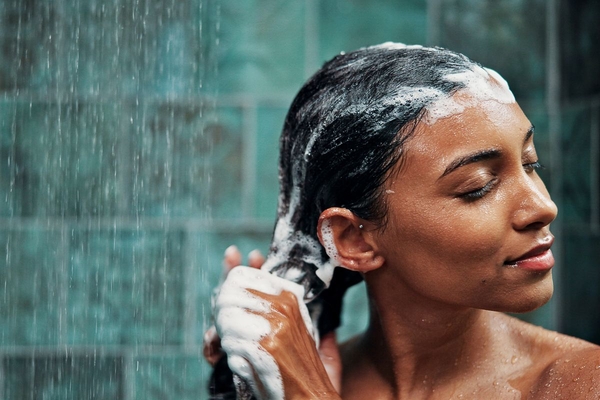
Seppic’s has found that its Montanov range can support hair repair through biomimetic emulsions featuring liquid-crystal structures.
Montanov is traditionally used for its skin care benefits and is said to deliver sensoriality and clinical efficacy. The eco-designed glycolipid range was now shown to target hair repair. The company's new performance data demonstrating hair care properties comes as “skinification” demands in the category continue to grow.
The French specialty ingredients manufacturer highlights Montanov 202, which offers a light sensoriality and matte finish. Meanwhile, Montanov L is said to provide a soft, light skin feel with easy spreading.
“Applying an emulsion with Montanov 202 to damaged hair restores lipid organization compared to natural hair, creates a protective film on the hair’s surface, and boosts the activity of traditional hair care active ingredients,” Andrea Nigon, digital marketing project manager for Beauty Care and Pet Care at Seppic, tells Personal Care Insights.
Montanov 202’s repairing effect was studied with XPolar technology, which allowed researchers to assess the structural disorganization of keratin. The findings show that Montanov 202 has the capacity to repair damaged hair by up to 71%, Nigon tells us.
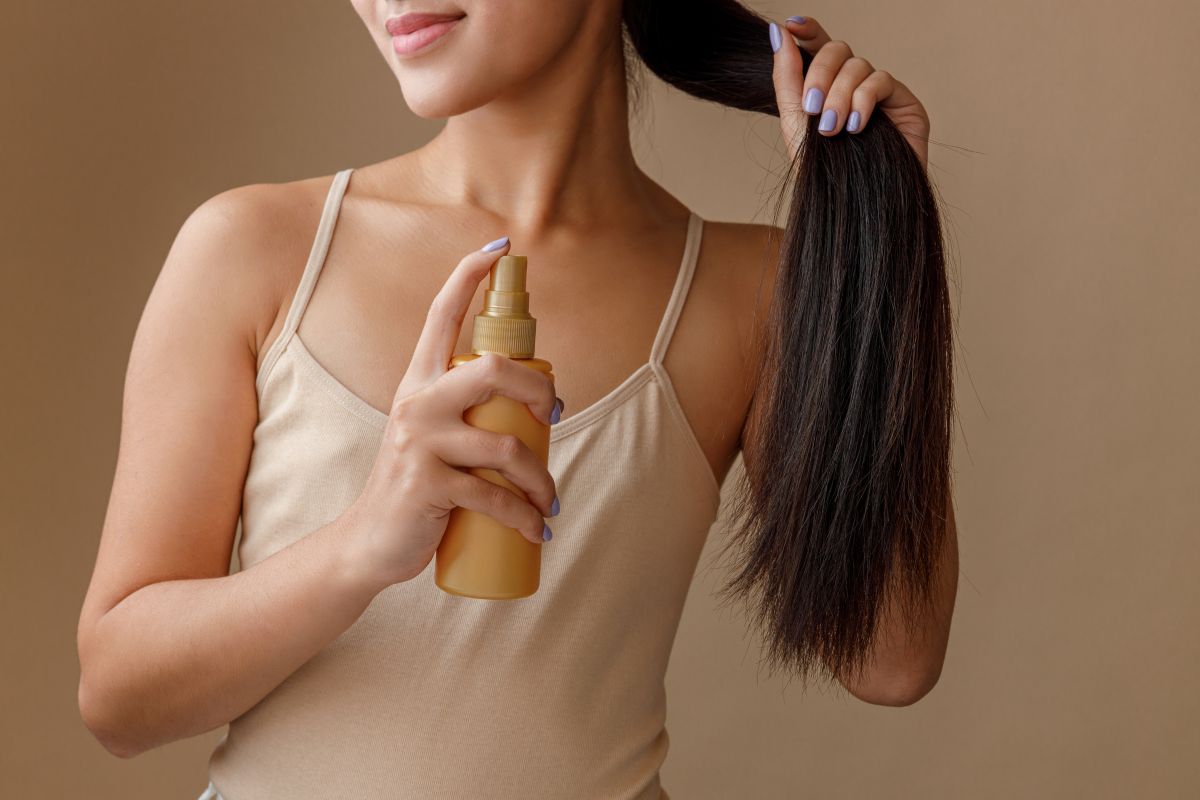
Montanov 202 is said to help restore damaged hair structure.
Meeting multiple hair demands
According to Seppic, hair repair is no longer an optional add-on — it is a baseline expectation for every product in the category. However, consumers do not want to compromise sensoriality for repair efficacy.
In response, hair care is tapping skin care’s tried and tested ingredients to meet increasingly multifaceted consumer demands.
Seppic’s expansion of the Montanov range — traditionally associated with skin care — into hair-fiber repair reflects the broader “skinification” of hair care, as formulators increasingly apply skin-care technologies and formulation principles across the category.
In addition to its sensorial appeal, the range is said to meet clean beauty and formulation compatibility demands. The range is natural, readily biodegradable, and developed according to the 12 pillars of Green Chemistry as non-ionic emulsifiers, Nigon tells us.
“For good compatibility, both grades present great compatibility with all types of cationic conditioning polymers, improving cationic affinity with the hair fiber and being compatible with most actives, and are able to emulsify up to 60% of all types of oily phase,” she says.
This month, Berg+Schmidt Care Ingredients showcased its BergaCare hair care range at the Association of Soap, Perfume, Cosmetic, and Detergent Specialists Congress 2026 in Berlin, Germany, which also appealed to “skinification” trends in hair care.
The solutions offer formulators a lipid-based avenue to meet growing “skinified” scalp care demands through scalp-barrier protection and lightweight repair.