
September in review: BASF eyes Evonik, EU Green Transition Directive, GLP-1 and beauty


Key takeaways
- BASF confirmed takeover talks with Evonik, but Evonik reportedly rejected the opening offer as too low.
- The EU’s Green Transition Directive took effect, requiring beauty brands to substantiate their green claims.
- GLP-1 drugs, men’s grooming, and FDA-approved bemotrizinol opened new growth arenas for personal care.
In September, BASF confirmed takeover talks with Evonik, a deal that could consolidate two of Europe’s largest beauty suppliers.
In Europe, the Empowering Consumers for the Green Transition Directive came into effect. We spoke to Natrue, the non-profit that sets standards for authentic natural and organic cosmetics, about how it could push beauty brands to substantiate their sustainability messaging.
Meanwhile, new consumer arenas opened up for the industry. GLP-1 weight-loss drugs drew beauty and wellness closer together as brands positioned ingestibles to counter the medication’s side effects. LucyRx warned that the GLP-1 and menopause beauty boom is outpacing care. Men’s personal care also emerged as a growth category that brands should be catering to.
In the US, the knock-on effects of the FDA’s approval of bemotrizinol were felt as new sunscreen innovations hit the market.
We break down the biggest industry stories from last month.
Bemotrizinol US FDA approval spurs sunscreen innovation
Earlier this summer, sunscreen active ingredient bemotrizinol (BEMT) received US FDA approval, marking a major milestone for sunscreen innovation in the country. It became the first new sunscreen active ingredient approved in the US in over 25 years. Bemotrizinol offers broad-spectrum UVA/UVB protection, improved photostability, and pleasant textures. BASF and Yale, US, dermatologist Dr. Christopher Bunick, told Personal Care Insights what the approval opens up for sunscreen creations. We broke down products already incorporating the new UV filter and what they signal for the US SPF market. L’Oréal moves in on India’s digital beauty boom.
GLP-1 and menopause beauty boom outpaces clinical care, LucyRx warns
Women are navigating a much more complex personal care, health, and wellness marketplace than they were a few years ago. The beauty and wellness sectors are increasingly converging, resulting in typical cosmetics-related brands exploring other areas of women’s health. We spoke to LucyRx about how personal care leaders can help women navigate the saturated industries with evidence, education, and a connection to care. The company representative recommended that they focus on improving women’s care rather than “just improving the marketing.”
Rising INCI scrutiny leaves consumers short on ingredient context
Ingredient-scanning apps have made INCI (International Nomenclature of Cosmetic Ingredients) lists readable, but Eastman warned that a score is not context. Lauren Leonard, global market development manager, told us why substantiated supplier data is becoming the raw material for credible beauty claims. She argued that brands cannot close the trust gap alone, and the opportunity is to make disclosure more useful rather than simply more extensive.
What are men searching for in personal care?
Pinterest’s 2026 Men’s Trend Report framed men’s grooming as “Quiet Upkeep.” The report showed men are building three-step skin care routines, collecting fragrance wardrobes, and adopting nail color. The search results that increased from last year’s results indicated that the men’s care market growth is not a passing fad, but a rising industry arena that brands should be catering to. We dove into the results and the market opportunities they uncovered. Armani prepares to sell an initial 15% stake.
GLP-1 beauty side effects expose nutricosmetic niche as deficiencies rise
Beauty side effects associated with GLP-1 medications are creating an intersection between nutrition and beauty. A review, published in Aesthetic Surgery Journal, argued that rapid weight loss from GLP-1 medications pushes the skin into a state of breakdown and repair and occurs at the same time users lose their appetite. The review suggested that the combination of GLP-1-induced skin restructuring and nutritional deficit may aggravate negative skin health symptoms associated with weight-loss drug use. Beauty and wellness brands are responding by positioning GLP-1-focused ingestibles as support for consumers navigating rapid weight loss.
Incoming EU anti-greenwashing directive pushes beauty toward sustainability substantiation
The EU anti-greenwashing directive is set to reshape sustainability communication in the beauty industry. The Empowering Consumers for the Green Transition Directive introduced stricter guidelines related to environmental claims made about consumer products and outlined clearer criteria for their substantiation and verification. Natrue told us how the directive will push brands toward greater traceability, responsible sourcing, sustainable packaging, and measurable environmental improvements.
L’Oréal clears Innovist deal, moving in on India’s digital beauty boom
L’Oréal India received regulatory approval to acquire Innovist parent company Onesto Labs. The deal underscored the growing importance of India’s young, online beauty consumers, as e-commerce, quick commerce, and demand for science-backed, transparent formulations drive the country’s cosmetics industry. India’s beauty industry recently passed a US$30 billion valuation and is expected to reach US$34 billion by 2028.
Armani prepares stake-sale talks with L’Oréal, LVMH and EssilorLuxottica
Armani was reported to be preparing talks with L’Oréal, LVMH, and EssilorLuxottica over the sale of an initial 15% stake, as outlined in founder Giorgio Armani’s will. CEO Giuseppe Marsocci said the holding could potentially be split among multiple investors, with no final decision yet made. L’Oréal has particular commercial exposure through its Armani Beauty licensing agreement. 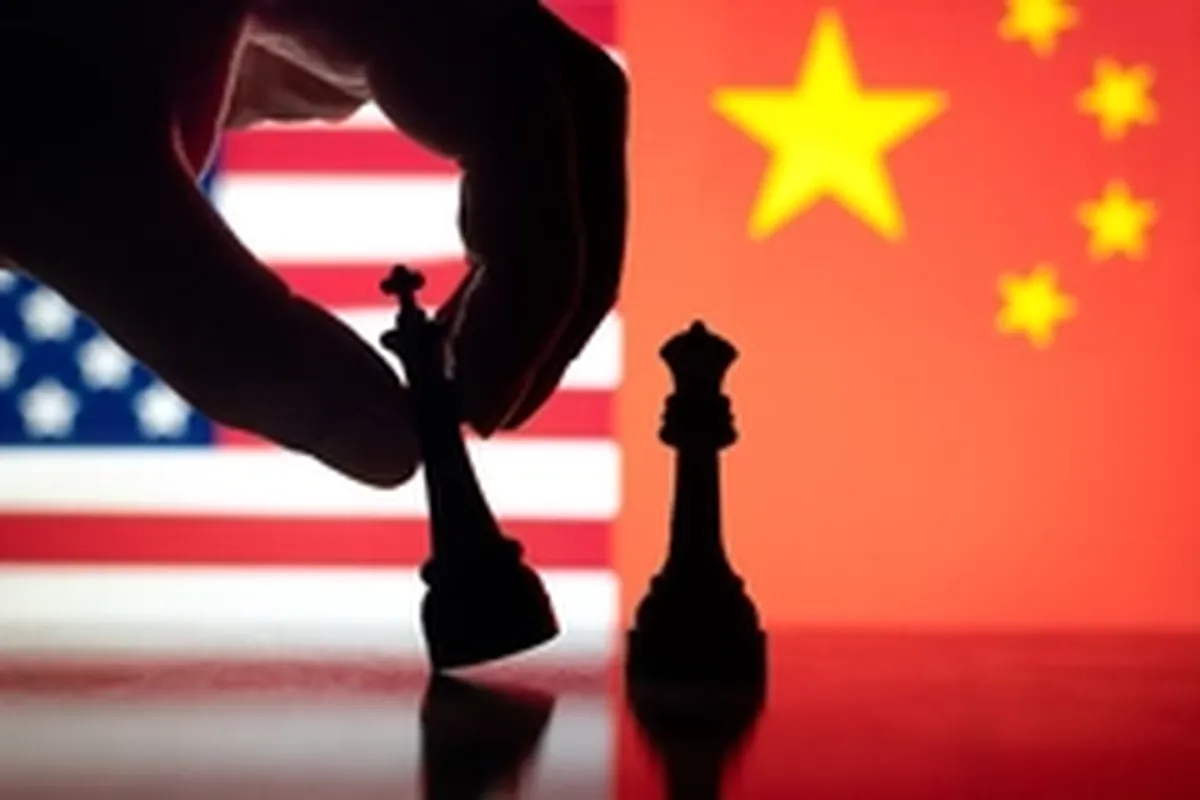 China cuts tariffs on US cosmetics.
BASF confirms Evonik takeover talks as initial offer reportedly falls flat
BASF confirmed takeover talks with Evonik, a deal that could consolidate two of Europe’s largest suppliers of skin care actives, emollients, and surfactants. Evonik reportedly rejected BASF’s opening offer as too low. Meanwhile, BASF shares fell 3.6% after the news broke about the exploratory talks. Conversely, at the time of the original article’s publication, Evonik shares rose nearly 10% after news of the approach.
China to lower tariffs on US cosmetics as trade truce extends
China and the US said they will cut tariffs on US$60 billion of each other’s goods, easing duties on US cosmetics and Chinese makeup brushes and hair-removal appliances. The reciprocal tariff reduction move came alongside an extension of a US–China trade truce. The positions were settled at the summit between President Xi Jinping and President Donald Trump. Additionally, the “30-for-30” tariff reduction framework lands as China’s beauty market rebounds.