


South Korea passes landmark law to fuel K-beauty industry

Key takeaways
- South Korea’s National Assembly passes the country’s first law dedicated to growing the cosmetics industry.
- The act gives the Ministry of Health and Welfare the authority to help the full K-beauty supply chain and creates an “innovative cosmetics company” certification.
- The law takes effect one year after publication, with subordinate legislation still to be drafted.

South Korea has passed legislation to develop Korea’s beauty industry into a primary engine of national economic growth. This is the country’s first legal framework made specifically to cultivate the commercial development of the sector.
The National Assembly approving the Act on the Fostering and Support of the Cosmetics Industry (Cosmetics Industry Promotion Act) provides a legal foundation to support the entire cosmetics ecosystem. It gives the Ministry of Health and Welfare formal authority to help cosmetics brands, manufacturers, R&D, raw materials, ingredients, packaging, and distribution.
The legislation introduces an “innovative cosmetics company” certification. The certification will be given to businesses that demonstrate high growth potential. It gives the qualifying companies preferential treatment in national and local government support projects. For example, they will get priority access to research grants, state-backed investment, and infrastructure programs.
Additionally, every five years, the Minister of Health and Welfare will establish a new industry development strategy — the Comprehensive Plan for Fostering and Supporting the Cosmetics Industry. It will coordinate major policies through the Cosmetics Industry Promotion and Support Committee, which involves both public and private sectors.
Backing the export engine
The act still has to clear a State Council vote before being formally published, and takes effect one year after that. In the meantime, the Ministry of Health and Welfare will consult industry, experts, and other ministries on the subordinate legislation and prepare follow-up measures.
The Minister of Health and Welfare, Jeong Eun-kyung, says: “K-beauty has grown into a globally competitive export industry through the innovation and ambition of our domestic companies.”
“With the enactment of this law, we will actively support the sector by building an industrial ecosystem where companies with creative ideas and technology can compete and grow in global markets, helping the K-beauty leap toward becoming the world’s number one.”
In 2025, South Korea’s cosmetics exports reached a record high of US$11.4 billion, surpassing the previous year’s US$10 billion. The Ministry of Food and Drug Safety (MFDS) reported that the figure was a 12.3% increase from 2024.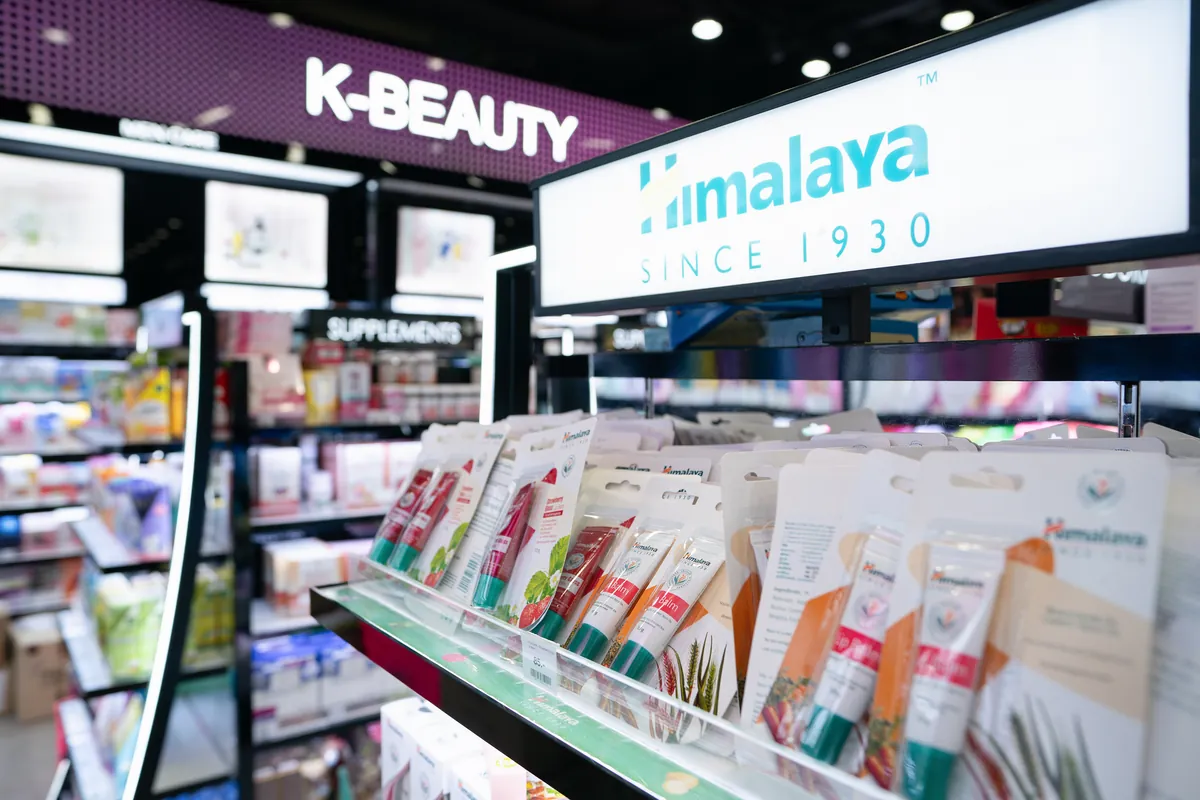 Cosmetics is now the largest export category among South Korean SMEs.
The new regulatory move was alluded to in June when South Korea’s Minister of Finance announced that the country’s government would be actively fostering the cosmetics industry as an export growth engine.
During a meeting with representatives from major beauty firms, Finance Minister Koo Yun-cheol said: “The K-beauty industry has expanded beyond the cosmetics sector to become a future strategic industry combining AI, data, and devices.”
Now, the legislation taps exactly what he mentioned. Under the act, the government will bolster R&D and industrial innovation, drawing on data, AI, and digital technologies. Support also covers specialist workforce training, development of the raw materials and containers sector, improvements to distribution structures, and overseas market expansion.
SMEs (small and medium-sized enterprises) will receive priority access. Cosmetics is the single largest export category among Korean SMEs.
Policing the boom
Until now, South Korea’s only dedicated cosmetics law has been the Cosmetics Act, which covers safety and quality control. It remains alongside the new legislation. The country’s government now has two duties in cosmetics — guarding what reaches consumers, and growing the industry that makes it. South Korean authorities have been recently cracking down on unsafe K-beauty exports.
The country’s cosmetics exports growing at record speed have led to recalls tripling over the last year. The MFDS recorded 16 K-beauty recalls and disposals in 2025, marking a 3.2-fold increase from five cases the year before. Consequently, the government pledged to implement stricter testing.
The ministry said the surge in recalls reflects stronger oversight rather than a sudden collapse in product quality. As more intense testing exposes compliance weaknesses, the MFDS will expand its cosmetics rules through 2028 with a system requiring compulsory safety reporting.  South Korea’s cosmetics exports hit a record US$11.4 billion in 2025.
“Considering the strengthening of global quality competitiveness and the safe use of cosmetics by the public, we will continue to ramp up cosmetics collection and testing,” said Shin Jun-su, director general of the Biopharmaceuticals and Herbal Medicine Bureau at MFDS.
Also representing an increase in oversight, earlier this month, South Korea announced the launch of a defense against counterfeit Korean beauty products as reports surfaced that Chinese-made fakes are reaching European markets.
The move came as Korea’s Customs Service found that 97.7% of counterfeit Korean-brand goods seized last year came from China, with cosmetics making up the largest category. South Korea responded to the problem by establishing a Counterfeit K-brand Reporting Center, which runs through the Korea Intellectual Property Protection Agency. The system allows consumers to report a suspected counterfeit found in overseas stores.