

“Cosmetic cowboy” crackdown: England proposes beauty procedure restrictions

Key takeaways
- England plans to restrict high-risk cosmetic procedures to qualified, regulated healthcare professionals.
- Liquid BBLs, deep chemical peels, and other higher-risk treatments face tighter rules, with penalties for illegal practice.
- The government also plans wider licensing for lower-risk treatments such as Botox and fillers to raise safety standards.
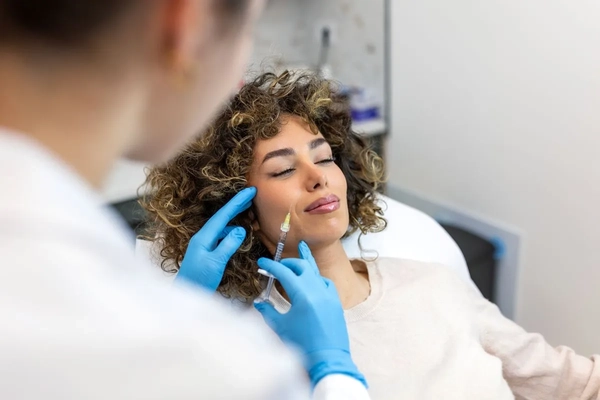
The UK government this week announced a new set of proposed regulations hiking guardrails against unqualified personnel from carrying out cosmetic procedures in England.
The restrictions target high-risk procedures such as chemical peels, vampire facials, and liquid Brazilian butt lifts (BBLs). These procedures would also be banned for people under 18. Breaching the proposed regulations would constitute a criminal offense, with some violations carrying unlimited fines or fixed penalties of up to £4,000 (US$5,348).
“We want to drive cosmetic cowboys out of the market and raise standards across the board, giving reputable businesses a fair chance to thrive by helping people identify safe, qualified providers they can trust,” says UK Health Minister Karin Smyth.
The term “cosmetic cowboys” refers to unregulated or improperly trained operators who perform high-risk cosmetic procedures without meeting the correct hygiene standards, medical credentials, or the appropriate licensing.
According to the UK government, as the line between surgical and non-surgical cosmetic procedures has become increasingly blurred, the rules aim to close a “dangerous loophole that has seen ill-qualified practitioners working out of hotel rooms performing high-risk procedures without regulatory oversight.”
Rogue providers who attempt to circumvent the proposals could be put before the courts under tough new criminal offenses, says the government.
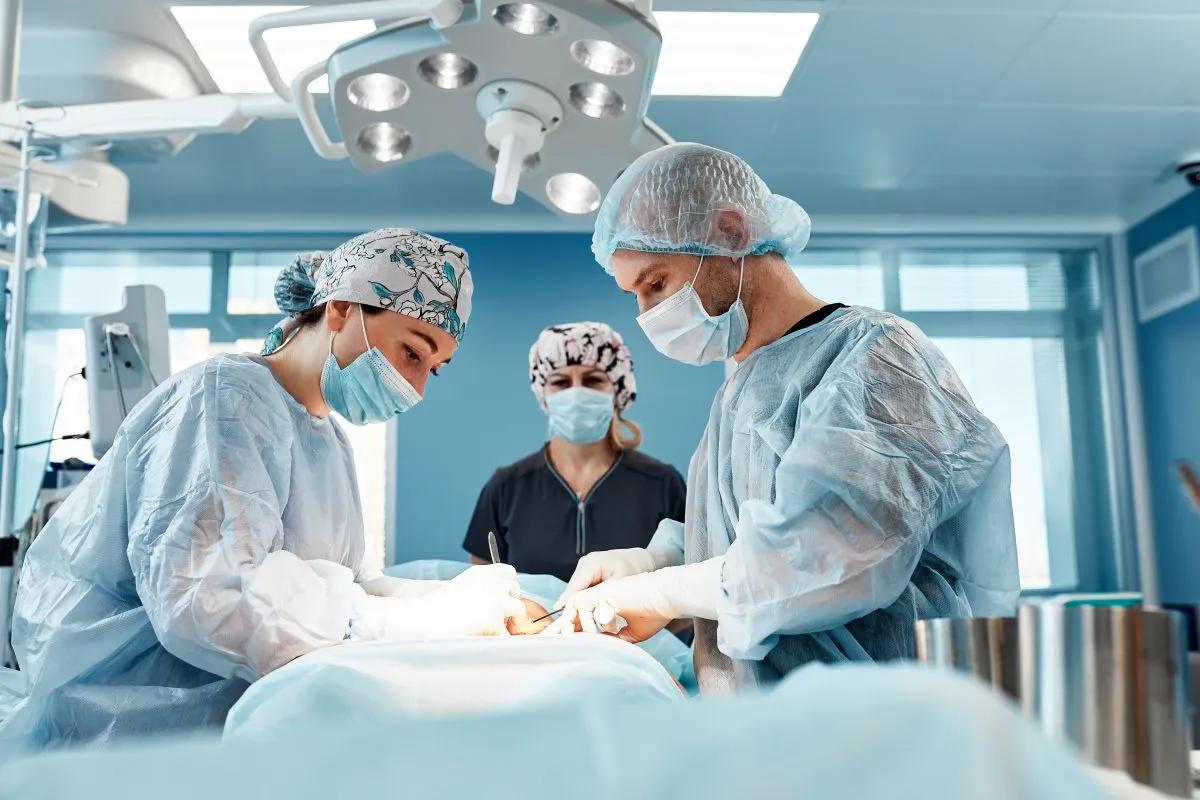
The UK is tightening rules for high-risk cosmetic procedures.
Regulating botched procedure risks
The proposed rules dictate that to perform the highest-risk cosmetic procedures, one will need to be a qualified, trained, and regulated professional.
The restrictions would also legally categorize fillers injected into parts of the body other than the face, such as liquid BBLs, as cosmetic surgical procedures, qualifying only doctors to perform them.
Procedures categorized as high-risk, non-surgical or well-being treatments — including deep chemical peels, vampire facials, dermal micro-coring, and some laser procedures — would be restricted to doctors, dentists, and some nurses, midwives, and pharmacists who are qualified independent prescribers.
Current regulations leave significant gaps around who may perform some high-risk non-surgical treatments, particularly when procedures are carried out by non-health care practitioners. The BBC detailed “horror stories” of procedures reportedly carried out by “cosmetic cowboys” in Airbnbs, hotel rooms, garden sheds, and public toilets.
The government cites “a string of reports of rogue, unregulated surgeries and procedures being carried out by unqualified practitioners, putting patients at serious risk of harm or even death,” preceding the crackdown.
“Over a number of years, the line between a beauty treatment and a medical procedure has blurred. A lack of regulation in what has become a booming market has led to an exploitation of these gaps, placing members of the public at serious risk,” says Victoria Brownlie, chief policy and sustainability officer at the British Beauty Council.
In addition to mitigating health risks, the rules are set forth to give people assurance of safety and to protect minors from risky procedures. Cosmetic fillers for under-18s in England are already restricted under separate 2021 legislation. The country also banned remote prescriptions for non-surgical cosmetics, such as fillers and Botox, in 2025.
“These changes mean that only properly trained professionals can carry out the most serious, high-risk procedures, and that young people will be shielded from treatments that can go badly wrong,” says health minister Smyth.
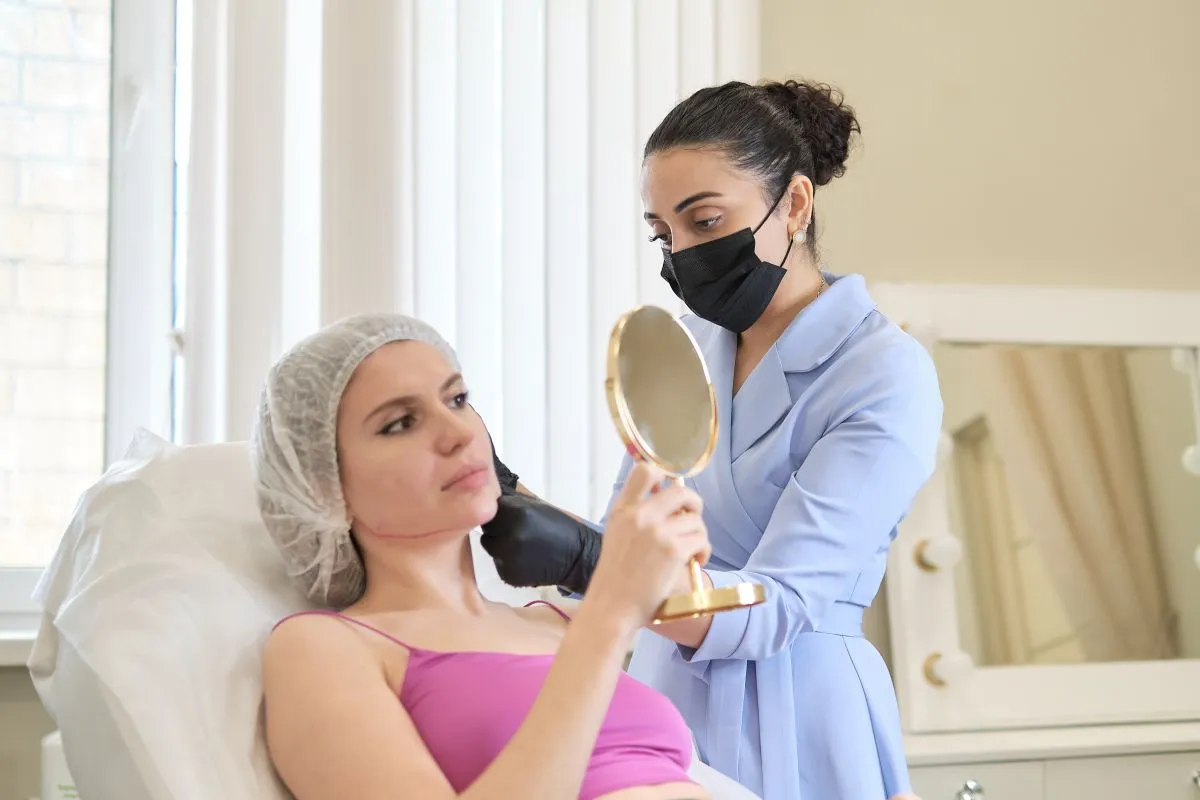
The rules aim to reduce serious cosmetic procedure risks.
“Vital step” toward safety
In addition to the restrictions on high-risk procedures, the government states that it “remains committed” to introducing a licensing scheme to regulate the administration of botulinum toxin products, lip fillers, and other lower-risk treatments. This will be to meet strict safety standards, “putting an end to backyard Botox clinics.”
The promised move is welcomed by some in the industry as professionals are of care and safety across the sector.
British Beauty Council’s Brownlie says: “I believe this is a vital step toward the required regulation and commend the government for tackling this issue head-on. Their assurance that a licensing scheme for ‘lower risk’ treatments will follow is also much welcomed as a vital turning point to ensure the highest standards of competence and care across the beauty and aesthetics sector.”
The proposed restrictions arrive as UK consumers have expressed demand for clear safety information about aesthetic treatments, with regulatory backing.
Last week, Superdrug found that most UK consumers believe that the government or professional medical bodies should be responsible for oversight. The health and beauty retailer called for more safety and accountability in the UK non-surgical aesthetics industry.
The government is closing loopholes in cosmetic procedure regulation.
Positive public and professional response
Professionals in the field are calling the proposed restrictions “long overdue.”
Ashton Collins, director of Save Face, says: “For too long, non-health care practitioners have exploited a regulatory loophole to carry out high-risk procedures, including liquid BBLs and facelifts, on members of the public. This has led to serious and life-threatening complications, including the death of Alice Webb, and victims have been left without justice.”
Alice Webb, a 33-year-old mother of five, died in 2024 after becoming unwell following a liquid BBL procedure at a salon in Gloucester. The BBC reported that Webb’s family approves of the recent announcement proposing restrictions.
“This consultation gives the public, practitioners, and experts the chance to help shape the final framework. We urge everyone to respond, and we look forward to the legislation being brought before Parliament so that it can be enacted as soon as possible to prevent further harm,” Collins says.
The UK government is launching a consultation to ask clinicians, regulators, businesses, the public, and other experts for their say on the draft regulations before plans go through the Parliamentary process, which is currently planned for spring 2027.
Similar to the move to impose bans in England, members of the Scottish Parliament unanimously backed the general principles of a bill restricting non-surgical cosmetic procedures, including Botox and non-surgical BBLs, earlier this year. The bill was introduced in response to industry and consumer concerns about the safety of young Scots amid the rise in botched procedures and was passed in March.