



UK consumers want regulatory oversight on aesthetic treatments

Key takeaways
- Most UK consumers want regulators, not patients, to ensure aesthetics safety.
- Superdrug’s campaign puts face-to-face consultations and cooling-off periods first.
- The findings come as the UK tightens rules on non-surgical cosmetic treatments.
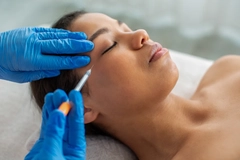
Superdrug has found that most UK consumers want clear safety information about aesthetic treatments and believe that the government or professional medical bodies should be responsible for oversight.
The health and beauty retailer is calling for more safety and accountability in the UK non-surgical aesthetics industry. Its Back Street To High Street campaign underlines face-to-face consultations as an essential first step before treatments such as dermal fillers and Botox.
“Aesthetic treatments have become increasingly mainstream, and so safety and clinical standards must keep pace. Our research shows that people want greater reassurance around who is treating them, the standards they can expect, and the potential outcomes of treatment,” says Chloe Saunders, head of health care services at Superdrug.
Consumers demand oversight
The UK consumer research commissioned by Superdrug has found that over half (54%) say clear information about risks and expected results before treatment is critical to a safe and effective aesthetics service.
Consumers want the responsibility of treatment standards to rest with professionals and authorities, not patients. Fifty-three percent want strong regulation and licensing of clinics and practitioners. Almost two-thirds (63%) believe government regulators or professional medical bodies should be responsible for ensuring the safety of aesthetic procedures in the UK. Only 9% believe responsibility should fall to consumers.
More than half (52%) of the respondents also say they want strict hygiene and clinical safety standards in clinics and that safe, approved products and equipment are critical. Meanwhile, 51% believe practitioners should have proper medical training and qualifications.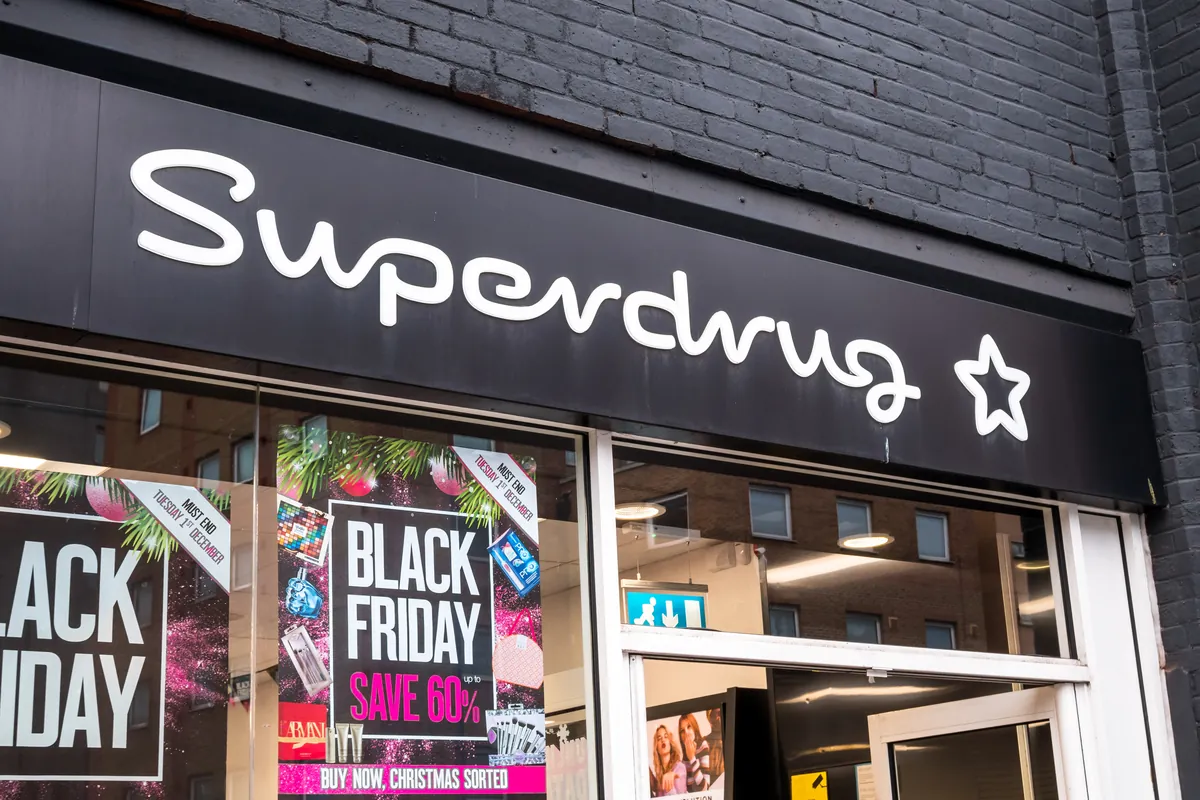 Superdrug calls for safer UK aesthetics.
Consumers’ desire for a clear and safe aesthetic experience comes as “treatment stacking” rises. The practice combines in-clinic and out-of-clinic solutions at the same time to achieve desired skin results.
Earlier this year, Allergan Aesthetics reported that there is a trend toward multimodal treatment plans and holistic aspirations in medical aesthetics. The company’s survey analyzed data from over 12,000 participants globally and revealed that consumers are increasingly interested in pursuing treatment combinations and striving for natural-looking results
However, “treatment stacking” can also leave room for uninformed consumers to stack products that may not be compatible, giving rise to potental complications that Superdrug and its campaign aim to tackle.
Faye Winter, campaign ambassador and aesthetics safety advocate, says: “Having aesthetics treatments shouldn’t feel as simple as grabbing a coffee. These are medical procedures and decisions that deserve the same care and attention as any other medical choice.”
“A proper consultation and cooling-off period are vital first steps that stand between someone making an informed decision and someone doing something they don’t fully understand.”
Consultation comes first
Superdrug aims to help make aesthetics safer by centering the consultation and waiting time as crucial first steps in treatment.
“A proper face-to-face consultation is fundamental to the entire journey. It gives people the opportunity to ask questions, understand the risks and expected results, and have an open conversation with a qualified health care professional about whether a treatment is actually right for them, and the appropriate route to take,” says Saunders.
The campaign is launched with Superdrug’s charity partner Save Face, an organization that supports people seeking non-surgical cosmetic treatments to find appropriately qualified and safe practitioners.
According to Save Face, 68% of the complaints it receives stem from treatments carried out without a face-to-face consultation, which led to negative outcomes.
“I’ve seen firsthand how much confidence a safe procedure can give someone, but I’ve also experienced myself what can happen when people don’t understand the risks or experience a negative outcome,” says Winter.
Standards go mainstream
Superdrug’s Saunders says the Back Street To High Street campaign works to raise expectations of what safe, responsible aesthetics should look like. 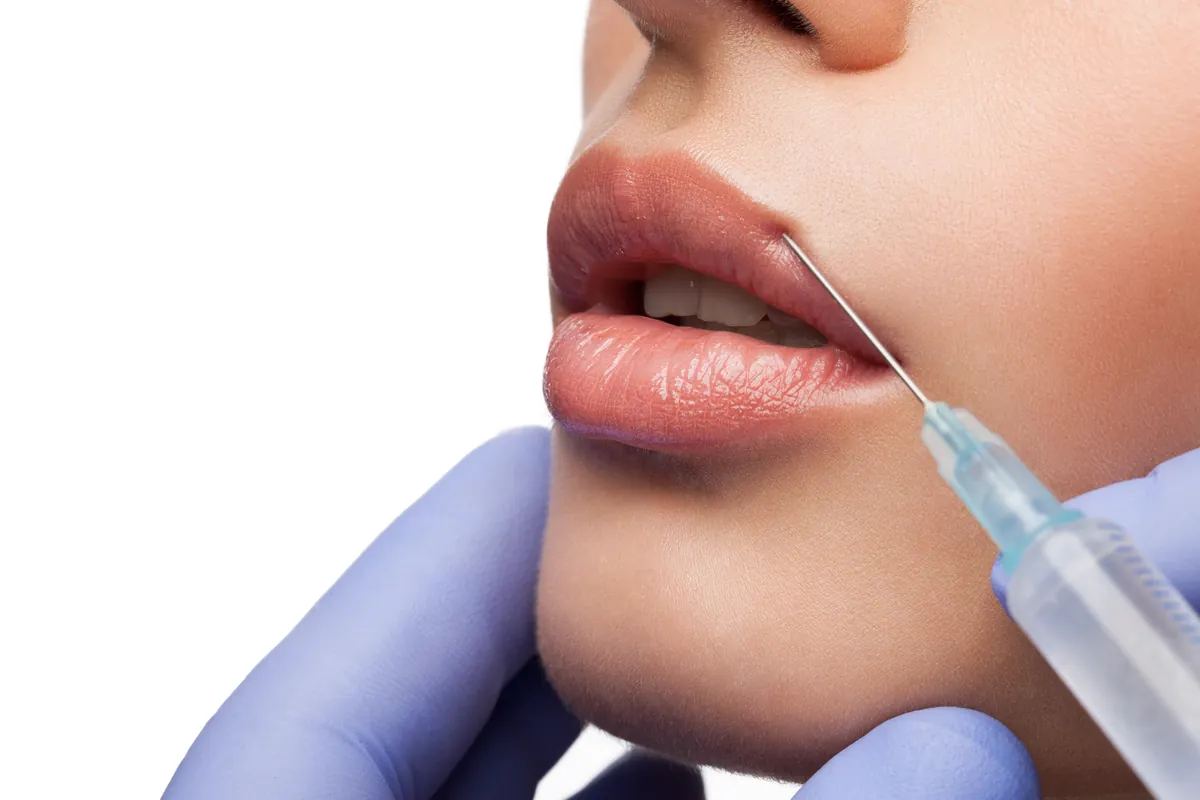 UK consumers want regulators to set safety standards.
“By bringing professionally delivered aesthetic services into a trusted high street health care environment, we can help make high clinical standards more visible, accessible, and expected across the industry to improve patient outcomes,” she explains.
Superdrug Aesthetics Clinics’ hyperhidrosis — clinical excessive sweating — service is regulated by the Care Quality Commission in England and clinics in Scotland by Healthcare Improvement Scotland.
The UK has been cracking down on aesthetic sector safety this and last year as demand for non-surgical treatments such as Botox and dermal fillers continues to rise. The goal is to bring a fast-growing and largely unregulated industry in line with the safety standards consumers expect from health care.
England banned remote prescriptions for non-surgical cosmetics starting June 1, 2025. The decision made it so that prescriptions had to be given face-to-face to ensure safe and effective prescribing practices.
Botox was legal for people under 18 in England until 2021. The UK Department of Health estimated that 41,000 Botox procedures were performed on this age group in 2020, and over 29,300 dermal filler procedures between 2017 and 2021.
“Practitioners and brands must prioritize education over persuasion — guiding consumers to understand both the benefits and limitations of treatments and ingredients,” Michael Yuen, R&D manager at Puredia, previously told Personal Care Insights.
Also in June 2025, the Australian Health Practitioner Regulation Agency announced the implementation of comprehensive guidelines and regulations to ensure consistent safety standards for dentists and nurses performing cosmetic injectables. Previously, these practitioners were able to operate without requiring additional education or training in aesthetic medicine.
Additionally, the rise in microneedling treatments prompted leading UK industry bodies to introduce new standards following an increase in health warnings for the treatment. The launch of the Sharp Standards Guide to Microneedling was supported by Dermalogica and the British Association of Beauty Therapy & Cosmetology (BABTAC).
Lesley Blair, CEO of BABTAC, told us that the guide is “not so much filling a gap as streamlining accessibility to current guidance already available — it has been developed to help professional therapists navigate current best practice clearly, consistently, and confidently.”
Earlier this year, members of the Scottish Parliament unanimously backed the general principles of a bill restricting non-surgical cosmetic procedures, including Botox and non-surgical Brazilian butt lifts, in the country. The bill was introduced in response to industry and consumer concerns about the safety of young Scots amid the rise in botched procedures.
The regulatory efforts point to putting more of the responsibility for safety on practitioners and regulators rather than patients — a point Superdrug has identified consumers want.