




GLP-1, longevity and hormonal shifts fuel next wave of beauty-from-within

Key takeaways
- Beauty-from-within is merging with nutrition, longevity, and holistic wellness.
- GLP-1 medications and hormonal changes are driving demand for ingestible beauty solutions.
- Clinical validation and multifunctional ingredients are becoming essentials for consumers.
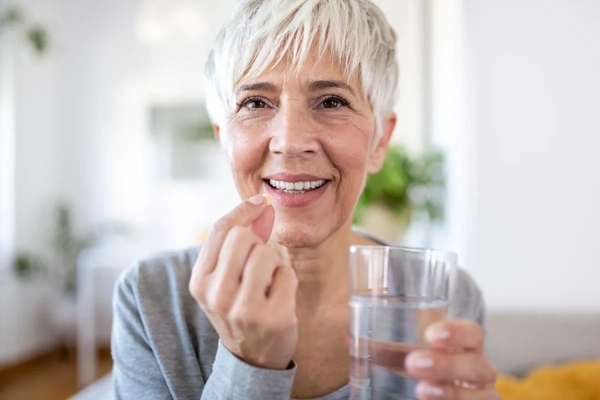
The modern consumer is more aware of the intersection between their health and physical appearance than ever. The growing demand for beauty solutions that impact one’s appearance on a cellular or metabolic level is putting industry players’ attention on ingestible beauty.
The convergence of beauty and nutrition is also blurring the line between categories as multifunctionality is no longer confined to one industry. An ingestible solution may cater to hair and nail strengthening while also functioning as a nutritional supplement.
Innova Market Insights data shows a 1% average annual growth rate in hair, skin, and nail supplement launches between July 2021 and June 2026, with a quarter of launches also containing joint health claims. Vitamin C, vitamin B7, and vitamin E emerged as the top ingredients used. Almost one-third of launches were in powder format, and gel supplements showed opportunity for innovation with a 65% CAGR during the same period.
Personal Care Insights speaks to Stratum Nutrition and Symrise about how beauty is increasingly seen as part of a whole physiologically, driving demand for beauty-from-within solutions.
The spokespeople tell us how the growing longevity, hormonal health, and metabolic changes from weight-loss medications are intersecting in the ingestible beauty solution category, stoking its momentum.
The changing dynamics of the beauty-from-within space arrive in parallel with growing emphasis on scientific validation demands in beauty. While topical beauty is already experiencing a surge in clinical-backing demand, ingestible beauty is seeing a heightened version of these consumer trust requirements.
“The future is less about choosing between topical beauty and nutrition, and more about understanding how different interventions can work together as one coherent beauty and wellness system,” says Axelle Pierre-Fanfan, global strategic marketing, Care & Wellness at Symrise.
“For the industry, this raises the bar: science, substantiation, and meaningful efficacy will be key to earning consumer trust.”
Beauty-from-within solutions are increasingly connecting physical appearance with overall health and wellness.
What’s driving beauty-from-within growth
One of the primary drivers of growth in the beauty-from-within space is how consumers conceptualize beauty. “Beauty is increasingly seen not as something we simply correct on the surface, but as an expression of how well the body functions as a whole,” Pierre-Fanfan tells us.
“Consumers are becoming more aware of the connections between nutrition, metabolism, hormones, stress, sleep, gut health and visible outcomes in skin and hair.”
Similarly, Blake Haynes, public relations and communications manager at Stratum Nutrition, states that the category is evolving as buyers progressively recognize that outward appearance is closely connected to overall health and well-being.
“Rather than focusing exclusively on cosmetic improvements, consumers are looking for solutions that support healthy aging, skin resilience, hydration, and long-term wellness,” he says.
Science-driven segments
Beauty-from-within is gaining momentum with the growth of the longevity segment. In the longevity category, consumers are increasingly looking toward cellular-level anti-aging solutions. Meanwhile, beauty-from-within focuses on bolstering beauty through nutritional benchmarks. The rising popularity of both categories is intertwined with the growth of science-backed beauty.
“One of the most promising opportunities lies in the growing connection between beauty and longevity,” says Haynes. “Consumers are becoming more proactive about maintaining their health as they age, creating demand for clinically supported ingredients that address multiple aspects of beauty through a more comprehensive approach.”
Pierre-Fanfan echoes Haynes’ emphasis on the overlap between longevity and beauty-from-within. She tells us that the cellular anti-aging segment is accelerating consumer awareness of the impact of overall health on beauty.
“The conversation is moving from fixing individual signs of aging toward maintaining resilience, function, and vitality for longer,” says Pierre-Fanfan.
“Beauty-from-within has a very natural role to play alongside topical care, rather than replacing it. The opportunity is increasingly about building complementary ‘inside + out’ systems around a desired outcome.”
Alongside longevity, Pierre-Fanfan underscores the growing awareness around reproductive hormonal health and how this intersects with ingestible beauty solutions.
As the industry focuses on understanding menstrual hormones better, it is advancing innovations in supplements that can cater to beauty demands while addressing potential hormonal needs.
“Puberty, the menstrual cycle, pregnancy, and particularly perimenopause and menopause can affect skin and hair, creating room for holistic solutions that support people through different life stages,” she says.
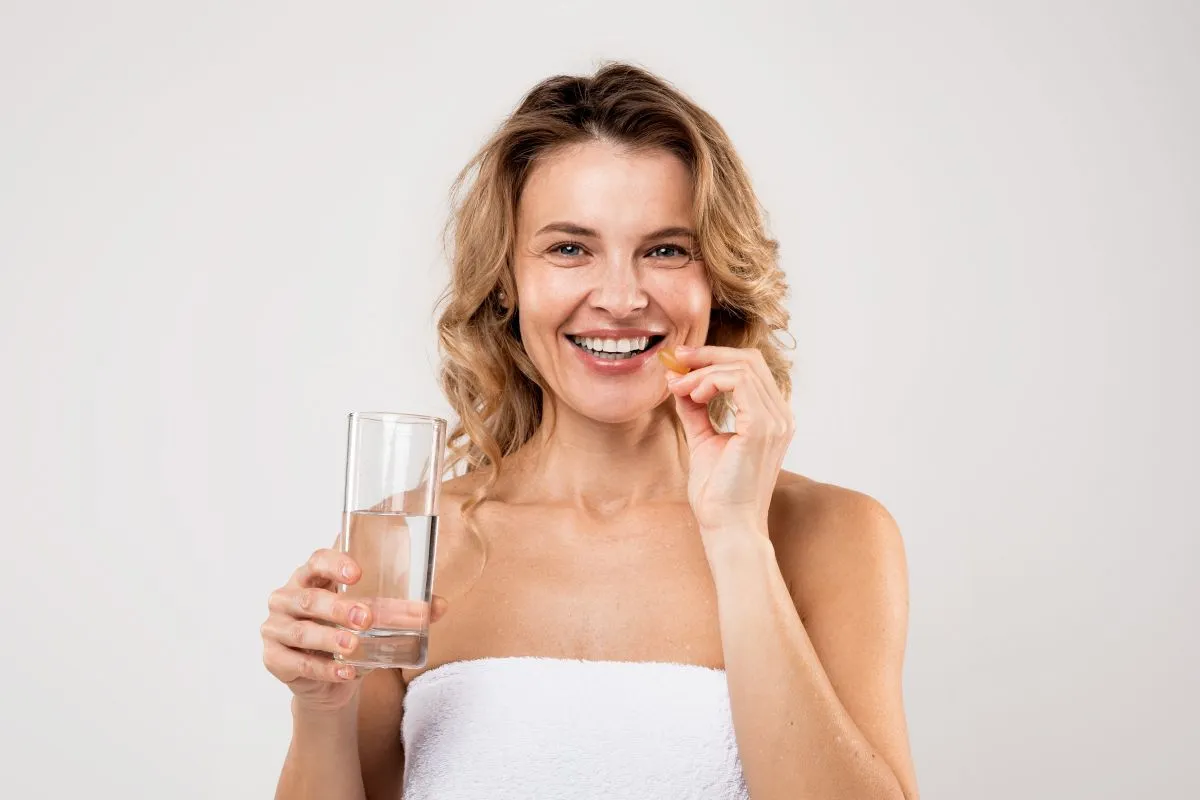
GLP-1 medications are driving demand for ingestible beauty solutions targeting skin and hair health.
GLP-1s and beauty-from-within
The rise in weight loss drug use is prompting beauty companies to invest in the GLP-1 aesthetic side effect field. The industry is responding to GLP-1-associated beauty concerns through an array of topical, injectable, and ingestible solutions.
Some argue that, as these concerns are substantially linked to nutritional deficiencies caused by suppressed appetites, nutritional supplements are the most effective solution. Research into nutrition as the missing piece in GLP-1-related skin changes is expanding. As a result, a segment of beauty products built around nutrients that support the skin during GLP-1 use is emerging.
Pierre-Fanfan refers to this emerging space as “beauty in metabolic transition.”
“Metabolic changes, including the growing use of GLP-1 therapies, can create new needs around nutrition, body and skin appearance, hair and scalp, hydration, and well-being,” she says.
Haynes tells us that the growing adoption of GLP-1 medications is bringing greater attention to the importance of nutritional adequacy during weight management.
“The greatest overlap is emerging in areas such as skin health, hair health, and healthy aging. Rapid weight loss and reduced nutritional intake can contribute to changes in appearance, encouraging consumers to seek solutions that support their nutritional needs alongside their aesthetic goals.”
He also underlines that as consumers experience significant changes in body composition, maintaining adequate protein, essential nutrients, and overall wellness becomes increasingly important. “This is creating an opportunity for beauty-from-within and functional nutrition to work more closely together.”
For ingredient suppliers, the increasingly converging nutrition and beauty spaces are reinforcing the importance of developing targeted, clinically researched solutions that complement a balanced nutritional approach.
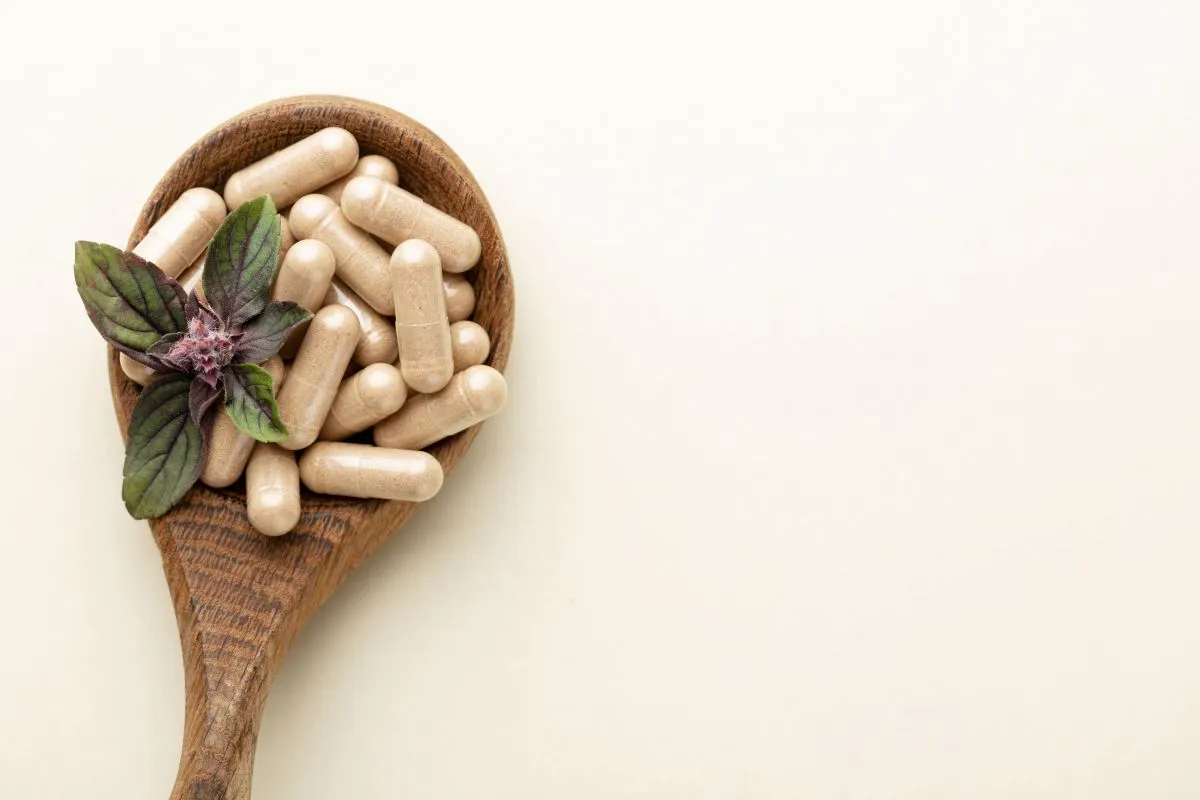
Consumers are seeking multifunctional supplements that support skin, hair, nails, and healthy aging.
Health and appearance as a holistic system
According to Haynes, the beauty industry is beginning to recognize that maintaining a healthy appearance requires approaching the body’s wellness as a whole, instead of targeting individual cosmetic concerns.
“Foundational nutrition plays an important role in supporting skin, hair, and overall health, and the growing GLP-1 conversation is accelerating interest in products that combine nutritional value with targeted beauty benefits.”
Haynes cautions that beauty-focused ingredients should not be positioned as replacements for adequate nutrition or as treatments for medication-related effects, but should be positioned as complementary and providing additional value toward wellness.
He tells us that for brands entering this space, credibility must begin with science. “Consumers are becoming more discerning, and products need to deliver benefits supported by research rather than relying on trends or broad marketing claims. A science-driven approach centered on clinically validated, multifunctional ingredients is essential to meeting these expectations.”
To address this demand, Haynes says that Stratum Nutrition offers an upcycled eggshell membrane collagen ingredient, Ovolux, that provides a naturally occurring combination of collagen, elastin, hyaluronic acid, and other bioactive components that support skin, hair, and nail health.
“The brands that succeed will be those that understand this distinction and develop formulations with clear benefits, appropriate nutritional support, and credible scientific substantiation. “

Longevity trends are fueling innovation in science-backed beauty supplements.
Changing category structures
Pierre-Fanfan believes that the convergence of beauty and nutrition will gradually restructure beauty-from-within from a product category into a broader innovation ecosystem.
“We are moving beyond the traditional logic of a topical product on one side and a beauty supplement on the other,” she says.
With this category shift, Pierre-Fanfan says that consumer outcomes and beauty concerns will take the forefront, and formulators will move to offer the most relevant combination of science, nutrition, and ingredients to address them.
The future of beauty-from-within may focus more on how interventions across categories and industries can work together and less about defining what belongs to “inside” or “outside” beauty, according to Pierre-Fanfan.
Haynes agrees with Pierre-Fanfan, stating that the beauty-from-within category is positioned to evolve toward a more integrated approach to health and wellness.
“Rather than existing as a standalone category focused primarily on appearance, beauty-from-within could increasingly become part of broader functional nutrition and healthy-aging strategies,” he says.
Haynes forecasts greater interest in products positioned around specific consumer needs, such as healthy aging, skin resilience, nutritional wellness, and maintaining appearance during different life stages.
He tells us that the growing convergence of categories will require greater cross-sector collaboration as “beauty brands may need to work closely with nutrition scientists, clinical researchers, ingredient suppliers, and regulatory experts to ensure products deliver meaningful benefits supported by appropriate evidence.”
“Looking ahead, the future of beauty-from-within will be defined by products that connect visible benefits with long-term wellness, scientific credibility, and sustainability,” Haynes concludes.