


Healthy aging beauty dives beneath the skin to chase cellular resilience
Key takeaways
- Healthy aging in beauty is shifting from correcting visible signs to maintaining skin function.
- Suppliers see ingestibles and topicals as complementary, but say clinical doses often don’t translate into finished products.
- Women’s life stages and ingestible photoprotection are emerging as key areas for innovation.

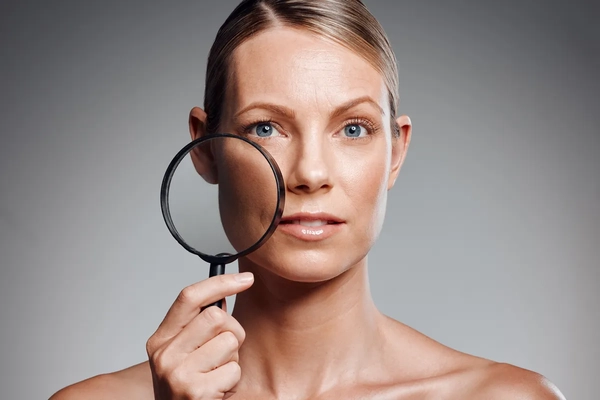
Beauty consumers increasingly want to preserve how their skin functions over time, shifting the aging category from correction to maintenance. This shift is pushing ingredient suppliers beneath the skin’s surface, toward inflammation, cellular energy, and the gut-skin axis, and into routines that pair topical products with ingestibles.
Personal Care Insights speaks with TriNutra, Unibar, AB-Biotics, and Beijing Gingko Group (BGG) Americas, who share their expertise on innovations in healthy aging.
“Today’s beauty consumer is more ‘resilience-centered’ vs. ‘appearance-centered,’” says Mit Mehta, executive VP at Unibar. “This means they are more interested in slowing biological aging, improving cellular health, and moving from surface-level wellness to implementing protocols.”
Alongside the booming focus on preventative aging, the experts tell us that turning cellular science into products that deliver at realistic doses remains a central challenge to healthy aging beauty solutions.
Tackling inflammation at the source
Mehta sees several consumer trends leaning toward longevity. “From ‘looksmaxxing’ — a social media trend [of optimizing your physical appearance] — to perimenopause to addressing chronic inflammation, we’re seeing a convergence of trends driving demand in longevity,” he says.
Inflammation stands out among those trends because of how fast consumer interest in it is growing. Citing Spate consumer data, Mehta says interest in chronic inflammation has more than doubled year-over-year across search and social media. “Ingredients such as sea buckthorn and black seed oil, in turn, are seeing rising consumer interest because of their benefits in supporting healthy inflammatory balance.”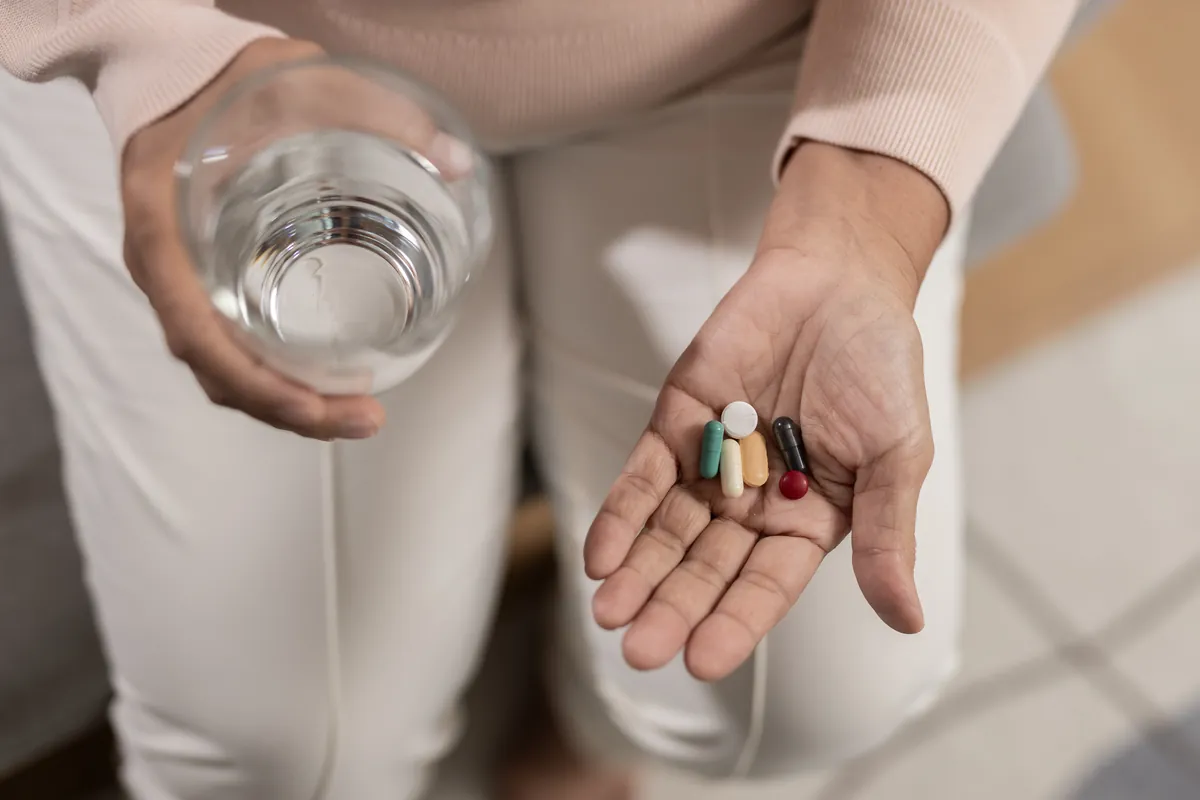 Sea buckthorn and black seed oil are gaining consumer interest for their role in supporting healthy inflammatory balance, says Unibar.
TriNutra is looking at inflammaging and mitochondrial function and their relationship to healthy aging. Mitochondrial function and cellular energy production “offer insight into what happens beneath the skin’s surface,” says Liki von Oppen-Bezalel, PhD, chief scientific officer at the company.
According to the company, a 3% cream containing its B’utyQuin black seed oil significantly improved hydration, elasticity, firmness, and luminosity compared with placebo after 28 days.
BGG Americas makes similar mechanistic claims for its AstaZine natural astaxanthin, which Lixin Ding, chief scientific officer, says “protects mitochondria and modulates inflammatory responses to support cellular integrity.”
Following the gut-skin axis
For AB-Biotics, the route to resilient skin — and therefore healthy aging — runs through the gut. “As people age, the gut microbiome undergoes significant changes, including reductions in microbial diversity and shifts in the abundance of key species, which may contribute to age-related changes in skin health,” says Miquel Bonachera, co-founder and executive director at AB-Biotics.
The company develops precision pro- and postbiotics, “where strains are selected for their effects on specific physiological pathways rather than general microbiome support.”
In an eight-week study of 50 women aged 30–50, participants taking the heat-treated postbiotic Latilactobacillus sakei KABP 065 (AB-Sakei 65) showed significantly greater improvements in skin recovery rate and firmness than the placebo group after five weeks. The effects were most pronounced among women in their 40s.
“As the first study of AB-Sakei 65 in healthy individuals, the sample size was relatively small and, interestingly, some of the most pronounced effects were seen in a sub-analysis of women in their 40s.”
One hypothesis, according to Bonachera, “involves the role of hormonal changes around menopause and the so-called estrobolome, the gut bacteria involved in estrogen metabolism, which may also influence skin structure.”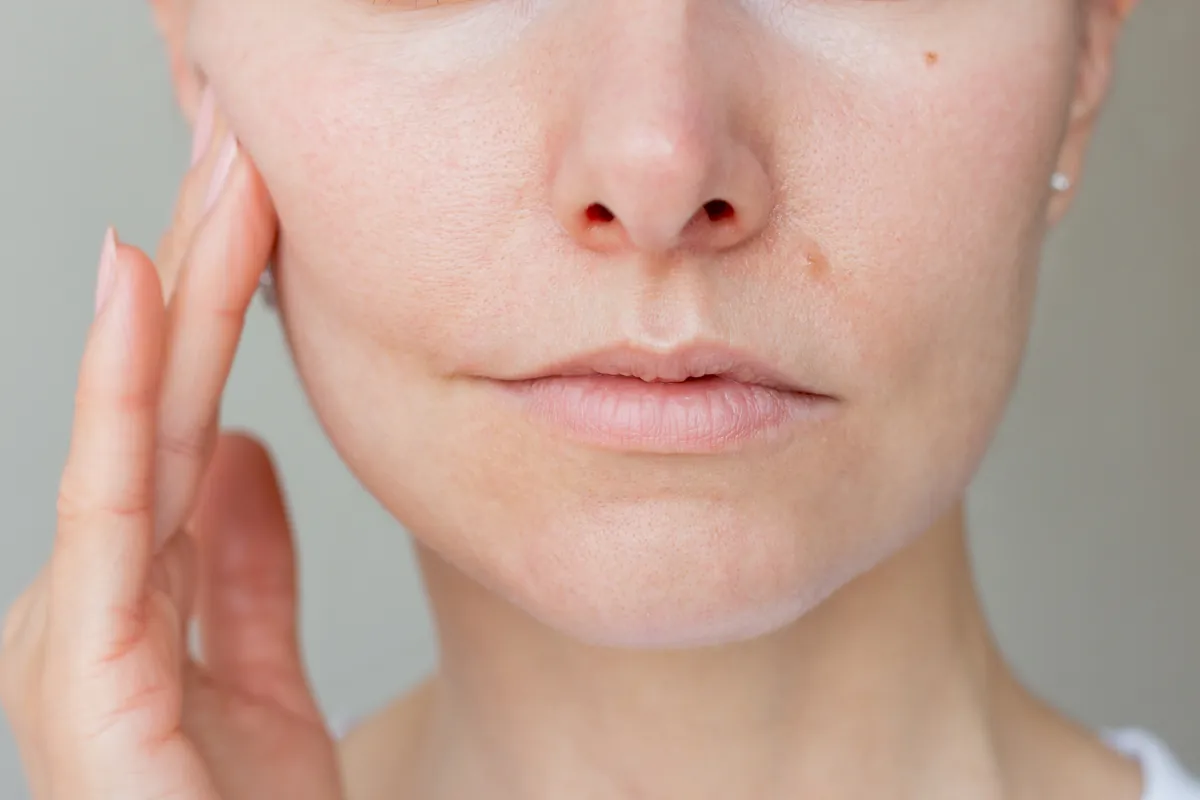 As people age, the gut microbiome loses diversity, which may contribute to age-related changes in skin health, says AB-Biotics.
If confirmed, that link could open a new route for microbiome-based beauty, targeting the skin changes of perimenopause and menopause rather than aging in general. AB-Biotics plans to test the idea in larger trials covering a broader range of ages and skin concerns.
For brands, it adds weight to a wider industry push toward ingredients designed around women’s hormonal life stages, an area suppliers like Unibar describe as “underserved.”
Beauty from the inside out
Meanwhile, ingredient suppliers see ingestibles and topicals working best together for healthy aging outcomes.
“Some actives will not penetrate below the surface of the skin effectively, and consumers won’t get the effects they want,” says BGG Americas’ Ding. She also points to hair growth, where many consumers now take a supplement rather than use topical products.
AB-Biotics takes a “one strain, two routes” approach. Beyond its oral data, L. sakei KABP 065 is also sold as a topical cosmetic ingredient, and the company says an emollient containing the strain improved skin hydration and barrier function in a split-body clinical trial.
“Ingestible beauty and nutricosmetics are having a moment right now,” says Mehta. “The global nutricosmetics market is projected to exceed US$15 billion by 2031, growing at a CAGR of 8.3%, compared with 5% for the overall beauty market.”
Minding the dose gap
For most beauty and skin care formulators, translating clinical science into finished products remains a selling point. “Often, clinical research is done at dosage levels beyond what most brands can support in their products. This leads to less-than-efficacious dosage levels in beauty products with overpromised benefits,” explains Mehta.
Bonachera agrees that evidence does not transfer automatically. “Evidence for a strain at one dose or in one form should not automatically be assumed to apply at another.”
Format can also add pressure to formulators. Ding says brands must “deliver the effective dose of a single active ingredient within a limited delivery format and cost budget,” while turning water-insoluble or oil-like actives into gummies and ready-to-drink products that still meet sensory expectations. 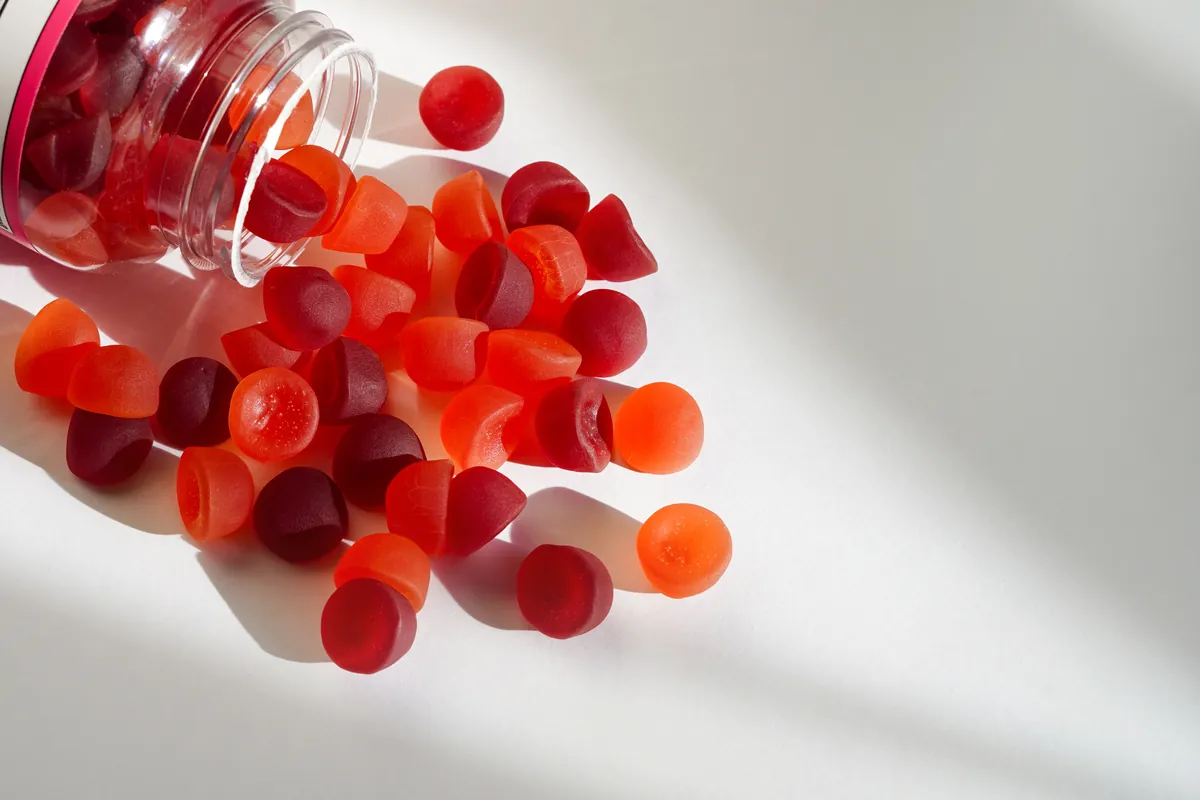 Suppliers say there is a growing convergence of consumer trends driving demand in the skin care and longevity space.
Heat-treated postbiotics can potentially offer a workaround, says Bonachera. Unlike live probiotics, which need careful storage to stay viable, they “do not face these constraints because their efficacy does not depend on maintaining live microorganisms,” he adds, which is “opening the door to innovation in gummies, functional foods, and topicals.”
Designing for life stages
The spokespeople tell us that priorities shift throughout specific life stages and ages. For Ding, “Gen Z and younger millennials are likely to focus on maintaining skin health before visible signs of aging appear, while older consumers may look for more restorative solutions.”
Meanwhile, Unibar’s Mehta sees women’s longevity as the biggest gap. “While traditional appearance-based beauty ingredients have targeted women, ingredient development addressing women’s longevity and different life stages has been dramatically underserved,” he says.
Unibar’s new ElaQuin ingredient, launched at SupplySide Global 2026, pairs omega-7-rich sea buckthorn oil with ThymoQuin black seed oil in a hormone-free platform that targets skin hydration, vaginal discomfort, inflammatory balance, and stress.
TriNutra takes a different tack. “Rather than approaching ingredient development strictly by age group, we look at the underlying factors contributing to these concerns from the inside out and outside in,” says von Oppen-Bezalel.