



Expert warns of cosmetic safety regulation gaps as popularity soars


Key takeaways
- Cosmetic procedures are becoming more accessible, but unregulated treatments pose risks to patient safety.
- Collaboration between training providers, practitioners, and associations is essential for ensuring qualified and insured professionals.
- Consumer education on risks, qualifications, and aftercare is crucial to making informed and safe decisions.
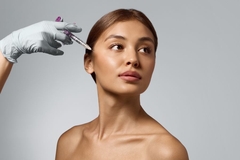
A report by the Women and Equalities Committee (WEC) underlines safety concerns across surgical and non-surgical cosmetic procedures. The report, written in collaboration with the British Association of Beauty Therapy and Cosmetology (BABTAC), focuses on “high-harm” treatments like liquid Brazilian Butt Lifts (BBL), regulatory gaps in non-surgical procedures, and the risks and lack of oversight posed by cosmetic tourism.
The report also highlights concerns about practitioner qualifications, aftercare, and procedural awareness and literacy.
Personal Care Insights sat down with Lesley Blair MBE, CEO and chair of BABTAC & The Confederation of International Beauty Therapy and Cosmetology (CIBTAC), to discuss the risks associated with the skyrocketing prevalence of cosmetic procedures. She tells us how the industry can balance patient safety with sector growth, and the role of regulation in ensuring safe cosmetic procedures.
What are the risks to patient safety with such a rise in cosmetic procedures?
Blair: As cosmetic procedures become more accessible and less expensive, decisions that should involve careful research are sometimes made impulsively. A key concern is the continued lack of enforceable regulation standards across the sector, which leaves consumers exposed to significant risks. These include physical complications, emotional distress, and an increasing burden on the NHS, particularly in cases of cosmetic tourism or where insufficient aftercare is provided.
The level of risk varies depending on the treatment type: surgical procedures must always be performed in a regulated medical setting, while injectable treatments require appropriate medical oversight and the ability to manage complications. Even within non-surgical aesthetics, poor training or lack of competence can lead to harm. While the industry must continue to uphold high standards, governments must also play their part through enforceable legislation, standardized training, and consumer awareness campaigns.
Patient harm undermines professionalism, erodes public trust, and threatens the long-term sustainability of a sector that includes many highly skilled, ethical practitioners working to best practice.
How can the industry balance commercial growth with patient safety, especially as cosmetic procedures become more accessible?
Blair: While increased accessibility can drive commercial growth, prioritizing safety over profit is essential to maintaining credibility and protecting consumers. It is vital that clear distinctions are upheld across the sector. Surgical procedures should remain strictly within the medical domain, and injectable treatments must, as a minimum, involve appropriate medical oversight, including prescribing and complication management.
Advanced aesthetic treatments delivered by professional therapists should be supported by robust training, a clearly defined scope of practice, and appropriate insurance. Sustainable growth depends not only on industry responsibility but also on government action to ensure that regulation keeps pace with demand and provides consistent safeguards for consumers.
In what ways should industry players collaborate to ensure only professionals offer treatments, and what barriers exist to achieving this?
Blair: Collaboration between training providers, practitioners, and professional associations is essential to ensure that only qualified and insured professionals can practise. We support the introduction of a licensing system for lower-risk, non-surgical procedures to help ensure practitioners meet consistent standards. Greater alignment is needed to standardize qualifications, verify insurance, and clearly define the boundaries between medical and non-medical treatments.
However, barriers remain, including inconsistent regulation, limited enforcement, and the financial and administrative burden that compliance can place on smaller businesses. While increased accountability within the industry is important, it must be matched by robust, enforceable government regulation. Without this, responsible and ethical practitioners are left competing against unregulated and often unsafe operators.
How can the industry take a proactive role in educating consumers about risks, aftercare, and the importance of qualifications?
Blair: Consumers should be supported in making informed decisions by understanding both practitioners’ credentials and the risks associated with different treatments. For non-surgical aesthetic procedures, clients should seek therapists trained through awarding organizations such as CIBTAC, City & Guilds, ITEC, and VTCT, which offer OFQUAL-regulated qualifications aligned with National Occupational Standards.
BABTAC’s TIME consumer awareness campaign provides a simple but effective framework to help consumers make safer choices by encouraging them to check Training, Insurance, Monitoring, and Evidence before booking a treatment. This is particularly important given the ongoing low levels of public awareness around regulation in the sector.
However, it is equally important to clearly distinguish that surgical treatments must be carried out only by qualified medical professionals, and injectables must be overseen by a qualified prescriber who is legally able to prescribe and manage complications.
The industry has a responsibility to clearly communicate these distinctions, educate consumers about the risks and aftercare, and help reduce impulsive or uninformed decisions, rather than placing the full burden on the client.
Scottish MPs backed a bill to restrict non-surgical cosmetic procedures, meeting criticism that the restrictions could have negative consequences for qualified but non-medical professionals. What are your thoughts on such regulatory measures?
Blair: As a Body, BABTAC has always prioritized the well-being of the highly skilled, talented, and dedicated practitioners who make up the beauty therapy industry. Throughout the COVID-19 pandemic, we worked tirelessly to support businesses facing immense financial pressure and uncertainty, and we continue to work with the government to highlight the ongoing challenges affecting the sector — from changes in taxation to the persistent rise in the cost of living — all of which have created unprecedented difficulties for many businesses over the past five to ten years.
That said, consumer safety must always take precedence when considering and implementing industry legislation. It is increasingly evident that untrained individuals are offering non-surgical cosmetic procedures without the appropriate qualifications, training, or clinical infrastructure to manage complications should they arise.
BABTAC fully supports trained and competent therapists/practitioners in delivering advanced aesthetic treatments, provided those treatments do not rely on off-site external prescribers. Effective complication management is essential. In the event of a serious adverse reaction, such as anaphylactic shock, which can be life-threatening, immediate access to appropriate prescription medication is critical. Without a qualified prescriber on site, this level of care cannot be guaranteed, placing consumers at unnecessary risk.