

Morocco beauty exports to EU surge as finished cosmetics gain ground

Key takeaways
- Moroccan skin care and makeup exports to the EU rose 77% in H1 2026, while hair care exports tripled.
- Morocco is shifting from supplying raw beauty ingredients to manufacturing finished cosmetics for European brands.
- Proximity to Europe, flexible manufacturing, and demand for traceable natural ingredients are driving Morocco’s beauty export growth.
The EU’s Moroccan beauty imports are gaining momentum. In the first half of 2026, the country’s skin care and makeup exports to the EU rose by 77%, and hair care tripled compared to the same period last year, according to Eurostat.
The beauty industry has traditionally looked to Morocco for ingredients such as argan or rhassoul, but now, complete consumer-ready products are emerging from the country.
“Europe has formulated with Moroccan ingredients for a long time … What is new is that more of the finished product is now being made in Morocco. Finished products now account for 22% of the basket, up from 19% a year earlier,” Mohamed El Hjouji, founder and CEO of Carmel Cosmetics Labs, a cosmetics manufacturer based in Agadir, Morocco, tells Personal Care Insights.
The country’s increased manufacturing capabilities and end-to-end production are helping retain domestic value above exporting raw materials. “I expect Morocco to move from being known as a source of ingredients to being known for finished products and, increasingly, for its own brands,” says El Hjouji.
The sharp year-over-year uptick is following a sustained growth trend. Between 2021 and 2025, Moroccan perfume exports to the EU grew by 68%, while hair products saw a 122% incline. In 2025, Morocco made €83.7 million (US$92 million) across 10 beauty categories through its EU exports. In 2021, the figure for the same categories was €77 million (US$84.8 million).
Overall, essential oils, argan oil, and plant extracts made up about €68 million (US$75 million) of the €83.7 million (US$92 million) the EU imported in 2025, with essential oils ranked first in Morocco’s export list.
Morocco’s EU exports are approximately six times its exports to the US market, by an order of magnitude. Within the EU market, France is the largest importer with 59% of EU purchases, which accrued €49.8 million (US$54.8 million) in 2025, landing in the country. France is primarily importing ingredients, while finished products enter mainly through the Netherlands and Belgium.
El Hjouji’s Carmel Cosmetics Labs has compiled Eurostat data into a Moroccan exports report. The report highlights the overarching growth trends of Morocco’s EU exports while underpinning the evolution of demand across categories.
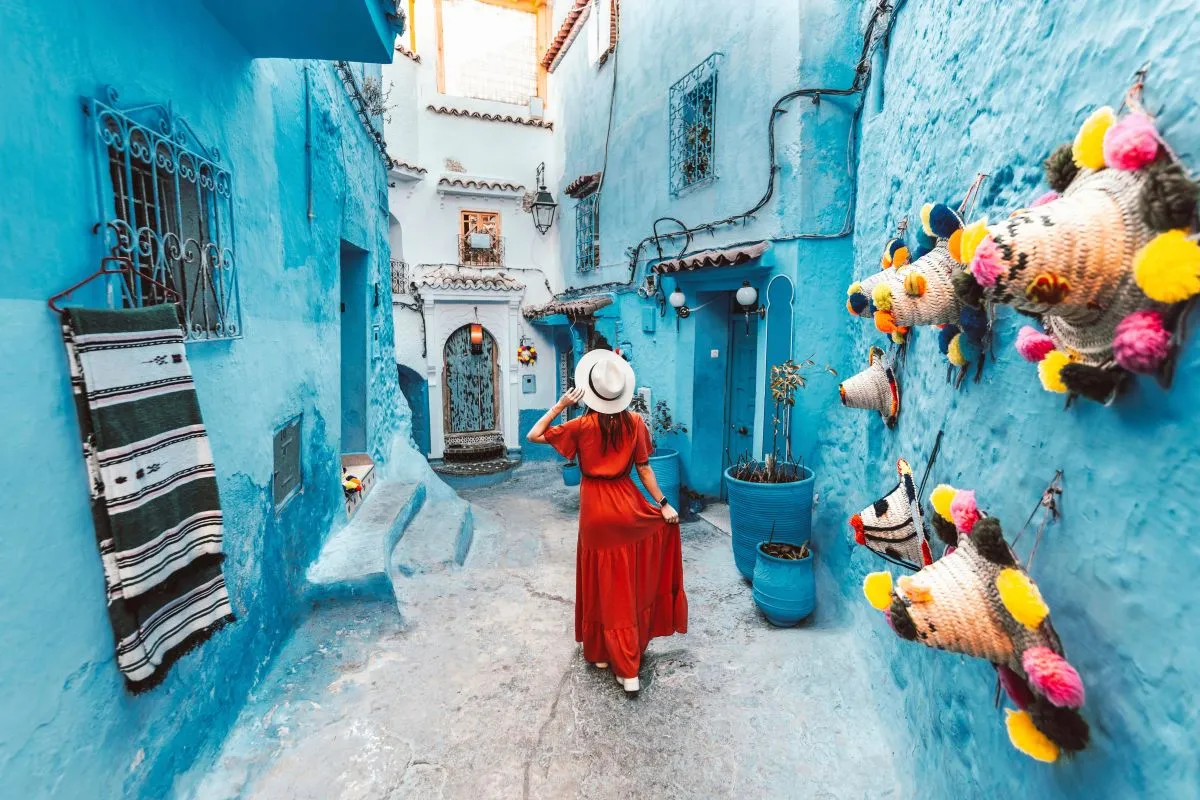
Morocco’s beauty exports to the EU are gaining momentum across cosmetics categories.
What’s driving Moroccan imports?
El Hjouji sees three drivers in the country’s growing exports. First, he attributes the rise to Moroccan manufacturers’ investment in good manufacturing practice under ISO 22716 and in the documentation the EU Cosmetics Regulation requires.
Secondly, he thinks European brands want production “closer to home.” The relationship between the two territories is fostered by compatible legislative and regulatory dynamics as well as their geography.
“Morocco sits at Europe’s door, in a similar time zone, with teams who work in French, English, Spanish, and Arabic,” El Hjouji says.
The third driver El Hjouji outlines is the already established consumer demand for ingredients sourced from Morocco. “Consumers already know and ask for argan, prickly pear seed oil, and rhassoul.”
Innova Market Insights data indicates that personal care launches with plant-based ingredients are gaining ground with a 9% CAGR from June 2021 to July 2026. The market researcher states that ingredients like argan oil are shaping product innovation.
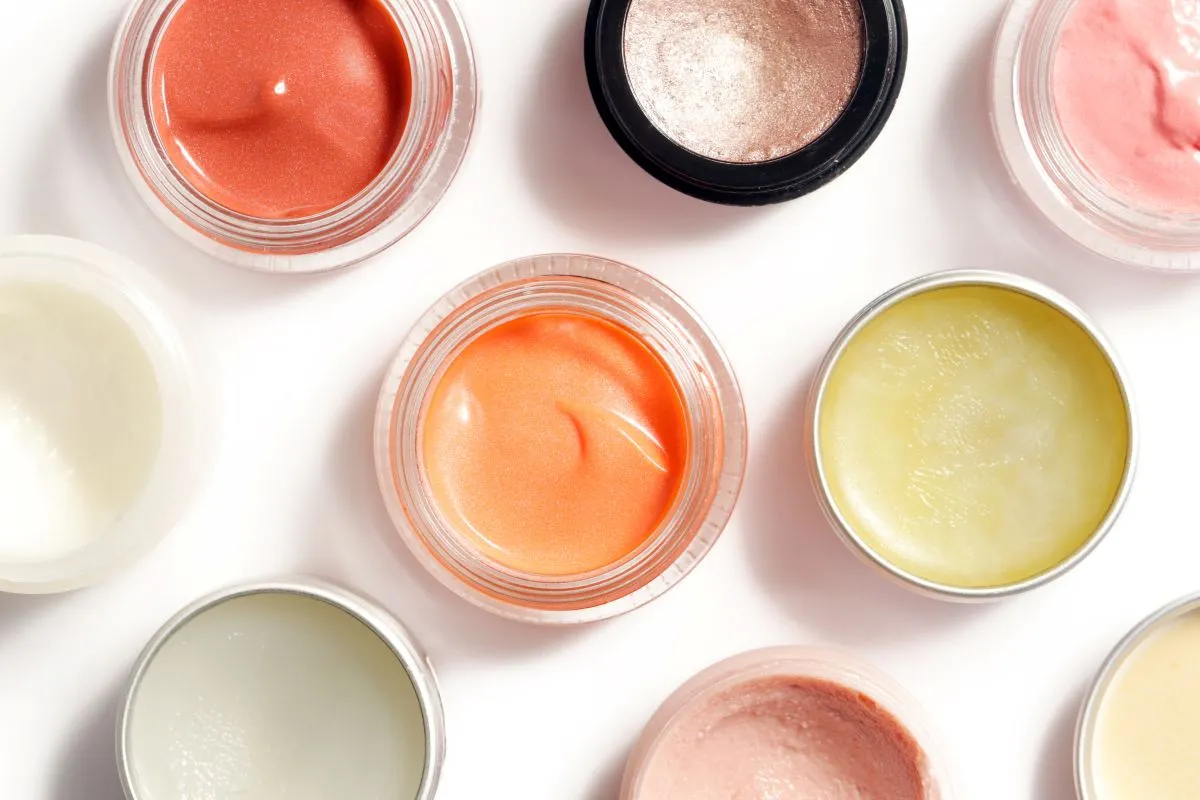
Morocco is emerging as a manufacturing hub for finished beauty and personal care products.
EU gaps and growing demands
El Hjouji tells us that Moroccan manufacturers are helping to fill flexibility and traceability gaps in the European beauty market.
“Many emerging and independent brands need a manufacturer that will develop a formula with them and produce runs sized to their launch, with an accessible minimum order,” he says.
El Hjouji explains that brands want natural-origin formulas built on ingredients with authentic stories and a traceable source. “Morocco has those on its doorstep.”
The heightened demand for ingredients and products from Morocco arrives as ethical sourcing and traceability become beauty formulation must-haves. Consumers are increasingly placing ethics and sustainability as prerequisites for their purchase decisions. El Hjouji tells us that Morocco offers this to EU buyers and formulators.
Additionally, El Hjouji says that the hammam and spa ritual category — a regional steam bath practice, increasingly adopted by Western wellness messaging — is a significant gap in Europe that Morocco can fill. He points to formulations and ingredients such as black soap, rhassoul, and argan-based care, “which hotels, spas, and retailers increasingly want under their own label.”
“The requests we receive have changed,” he adds. “A few years ago, European buyers mostly asked for bulk argan oil. Today they ask for a complete service: formulation, manufacturing, filling, packaging, and the technical documentation needed for the European market.”
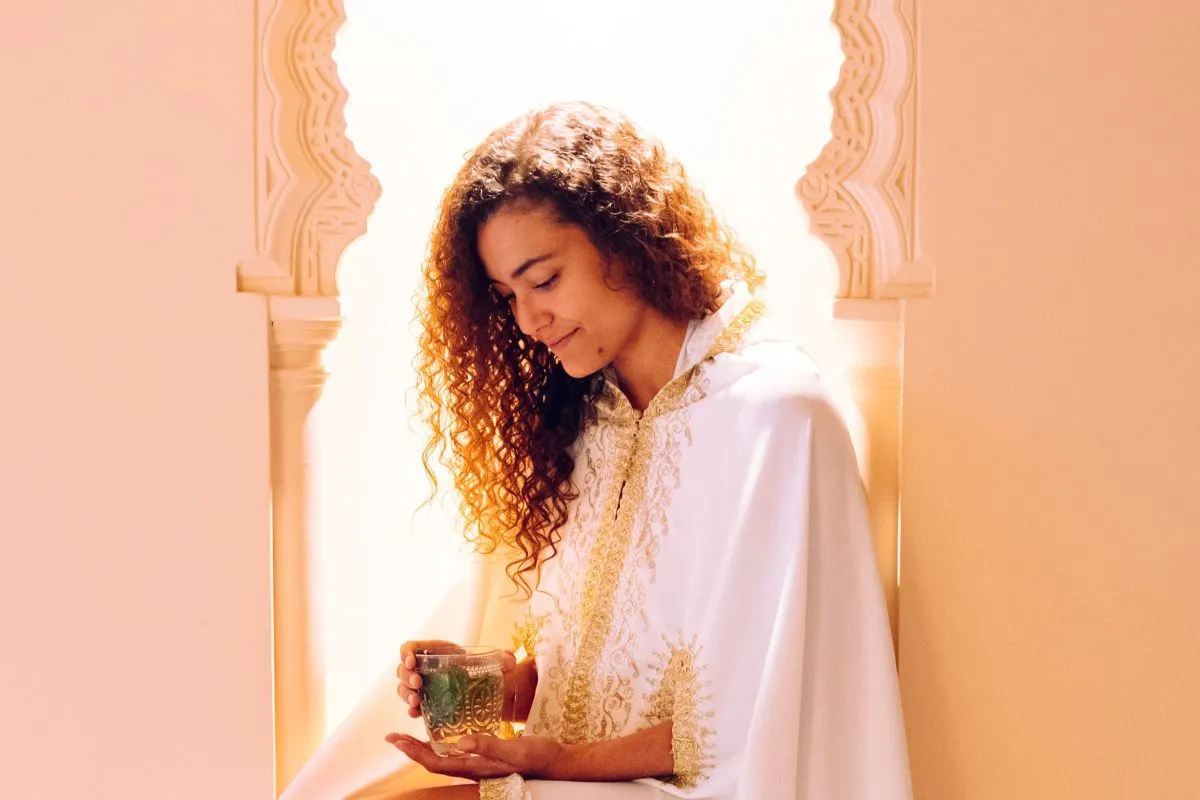
European beauty brands are increasingly turning to Morocco for nearshore cosmetics manufacturing.
Fostering Moroccan manufacturing
El Hjouji tells us that Morocco’s shift from ingredient exports to final product exports helps keep the beauty industry’s value in the country.
Investing in product manufacturing opens doors for more skilled jobs for chemists, quality and regulatory specialists, production operators, and packaging designers, he explains. This also results in steadier demand for argan, aromatic plants, and clays, creating sturdier footing for farmers and cooperatives.
El Hjouji gives Carmel Cosmetics Labs as an example of a company working to retain domestic value while continuing to export.
“For the global industry, [Moroccan exports] mean one more reliable place to manufacture, close to Europe and connected to Africa and the Middle East, and better access to ingredients that consumers already recognize, with traceability back to the source.”
He explains that as the country’s exports progressively evolve from ingredient to product, Moroccan brands may also emerge as known names, in what he calls “M-beauty.”
“Korea shows how quickly this can happen. EU imports of Korean skin care and makeup went from €251 million (US$276.5 million) in 2021 to more than €1 billion (US$1.1 billion) in 2025. Morocco starts from a different place, but it has ingredients the world already knows, which is a strong base to build on,” he says.
El Hjouji tells us that to sustain the growth, Morocco’s personal care industry has to expand in four areas: building brands and products, developing regulatory know-how across export markets, developing the domestic packaging and raw-material supply chain, and training formulators and quality professionals.
Major ingredient suppliers are taking note of Morocco’s emergence as a regional beauty player. Givaudan recently inaugurated a fragrance development hub in Casablanca to bolster its Fragrance & Beauty presence in the South Asia, Middle East, and Africa region. The hub features local fragrance development capabilities and a dedicated commercial team serving customers across the Maghreb and West Africa.
“I do not see Morocco replacing the established hubs. Europe has heritage and depth of expertise, and Asia has scale and speed of innovation. Morocco adds a third option: a nearby manufacturing base with competitive costs, flexible production, and direct access to signature ingredients. For a European brand, that is a practical way to diversify its supply chain,” El Hjouji concludes.