



Plant-based squalane scales amid mounting sustainability pressure

Key takeaways
- Beauty brands are shifting from shark-derived squalane to plant-based alternatives to meet rising ethical and sustainability demands.
- Sugarcane-, olive-, and palm-derived squalane are gaining traction across skin care, hair care, and beauty-from-within applications.
- Suppliers are pairing sustainable sourcing with cleaner extraction methods to preserve efficacy while reducing environmental impact.

The beauty industry’s emphasis on ethics and sustainability is incentivizing the reimagination of animal-derived ingredients like squalane. The market is showing a preference for plant-based substitutes of the hydration hero ingredient, which is traditionally sourced from shark liver oil. Alongside animal suffering, shark hunting can pose a threat to marine ecosystems due to their important role in aquatic habitats.
“Plant-derived squalene provides an opportunity to meet the same ingredient demand without relying on an animal source,” Bryan See, VP of biotechnology and ingredient company, PhytoGaia, tells Personal Care Insights.
“Historically, squalene has been associated with shark-derived sources, which resulted in a number of grave environmental issues.”
Consumer awareness around the moral and environmental implications of animal-derived products is rising. As a result, formulators are distancing themselves from ingredients with dubious sourcing while aiming to preserve efficacy claims in their vegan successors.
Plant-derived squalane is receiving attention from various corners of the industry based on these shifting consumer preferences. Established beauty giants like Givaudan and brands stemming from the K-beauty boom alike are innovating with the ingredient. The burgeoning solution demonstrates versatility, supporting applications in topical and ingestible beauty solutions because of its hydrating properties.
Personal care popularity
Squalane has been tapped by the industry for its hydrating and barrier-supporting qualities as it mimics the skin’s natural sebum.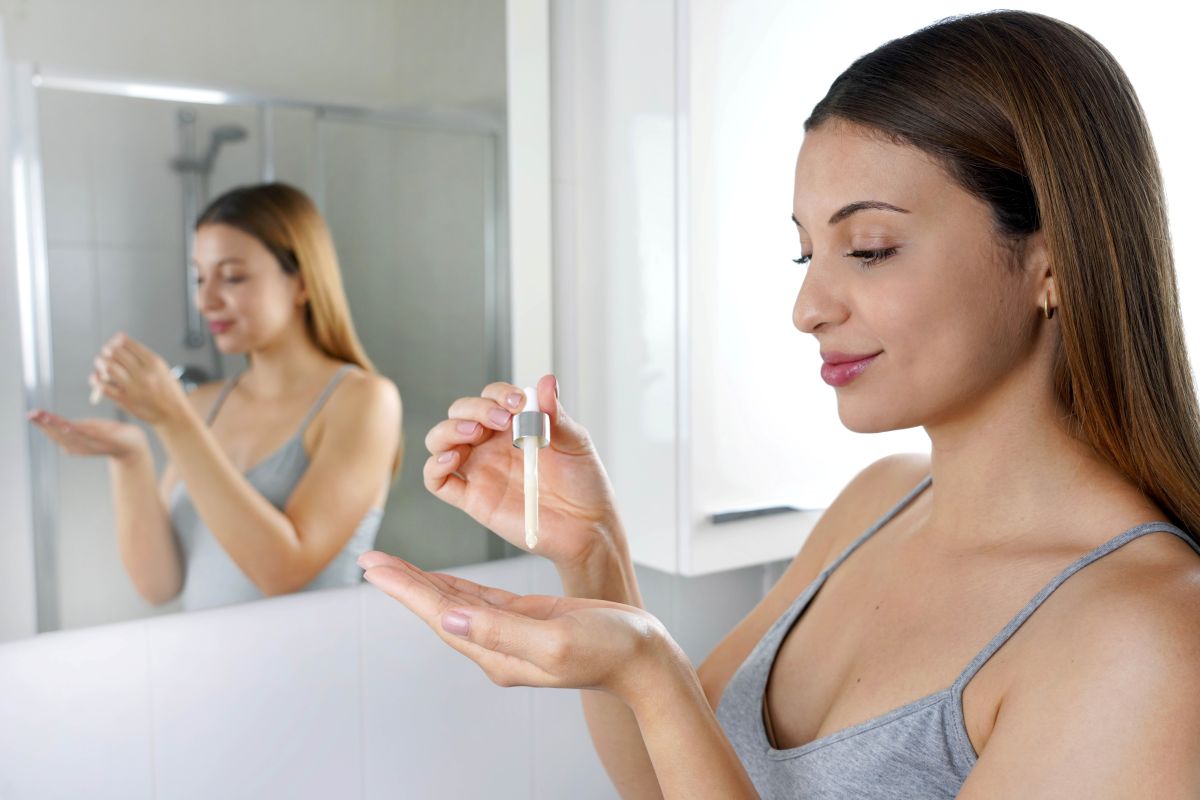 Plant-based squalane is emerging as a more sustainable alternative to shark-derived sources.
“Squalene is a naturally occurring lipid and emollient that is also present in the human body, particularly in the skin, where it contributes to skin moisturization, barrier function, and protection,” says See.
Givaudan has had vegan squalane in its repertoire since 2023, following its purchase of two ingredients from Amyris.
Neossance Hemisqualane is produced from Brazilian sugarcane and is said not to contribute to deforestation. The lightweight emollient is focused primarily on hair care applications and was a primary ingredient in the textured hair care brand, 4U. Meanwhile, plant-sugar-derived Neossance Squalane is oxidation-resistant and stable to UV and temperature variations. It is used in makeup, skin care, and hair care.
“We are the first ones bringing to the market biotech-based alternatives to the biggest blockbusters: bisabolol, squalane, hemisqualane, and more to come soon,” Fabrice Lefevre, marketing and innovation director at Givaudan Active Beauty, previously told us.
The interest in squalane transcends regional markets. Last week, Korean skin care brand S.Nature launched its olive-derived squalane collection, Aqua Squalane, in Sephora. The move introduces the brand to US markets through the retailer’s Olive Young partnership. The brand touts long-lasting moisture with its five light-weight hydration formulas.
“Because squalane closely resembles components of the skin’s natural sebum, the collection is designed to absorb quickly, replenish moisture, and leave skin feeling comfortable rather than coated,” says S.Nature.
Squalane for healthy aging
Alongside topical solutions, squalane presents a promising ingredient for the beauty-from-within space as consumers increasingly demand products that provide holistic care, supplementing beauty and well-being together.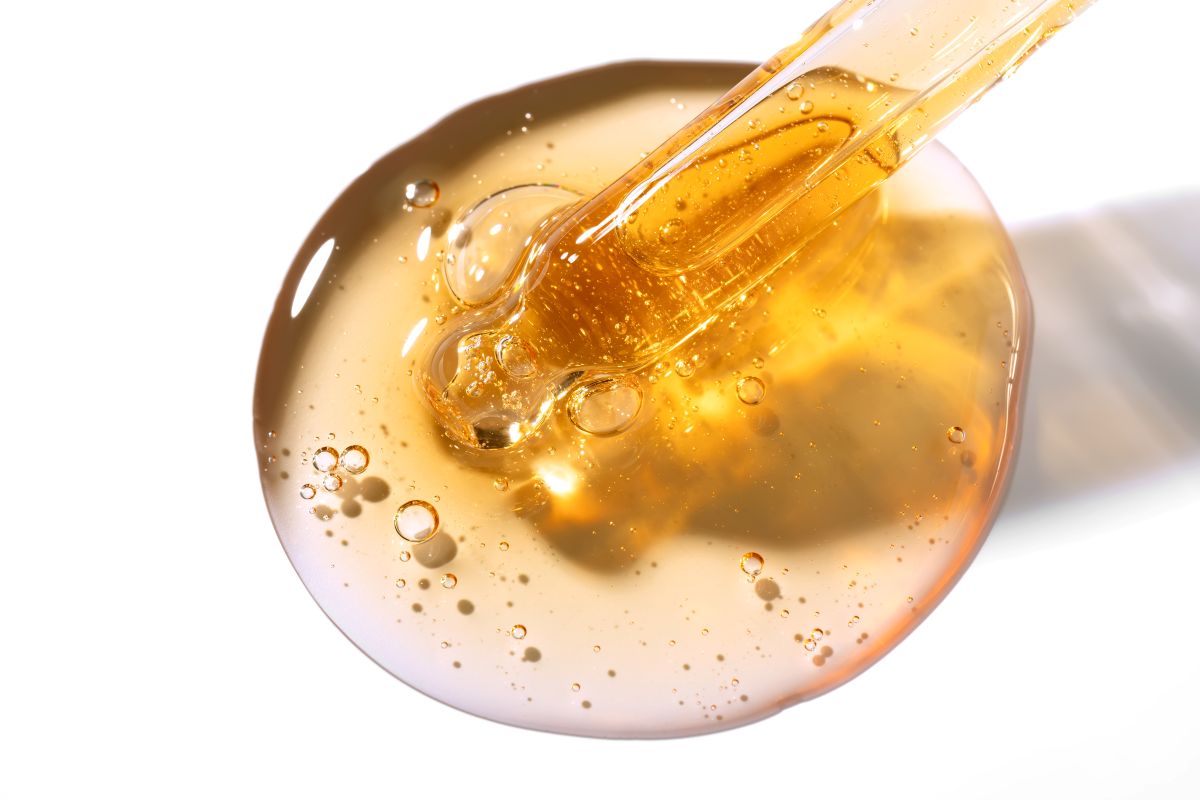 Squalane supports skin hydration and helps reinforce the skin barrier.
“[Squalene’s] naturally occurring presence in the skin, together with its recognized roles in skin moisturization, lipid biology, and skin protection, makes it an attractive ingredient for formulations targeting skin health and healthy aging,” says PhytoGaia’s See.
PhytoGaia is tapping plant-derived squalane in its active ingredient STGaia. The complex combines squalene with full-spectrum tocotrienols extracted from sustainable palm fruits.
The complex combines squalane’s lipid and emollient properties, supporting skin moisturization and resilience, while tocotrienols provide superior antioxidant activity and cellular protection.
“Squalene plays an important role in lipid biology as a precursor to sterols, including cholesterol, which are essential for normal cellular function. Tocotrienols, meanwhile, are members of the vitamin E family, recognized for their antioxidant properties and growing research interest in cellular protection, healthy aging, and skin health,” says See.
“Rather than focusing on a single aspect of skin health, this naturally occurring phytonutrient complex provides a broader approach that connects skin hydration and resilience with wider aspects of healthy aging.”
STGaia is touted to support “hydrated, resilient, and healthy-looking skin while also addressing broader aspects of cellular health and protection,” offering a holistic topical and ingestible beauty solution.
Squalane sustainability
 Sugarcane, olives, and palm fruits are emerging as alternative sources for squalane. While omitting the use of shark liver oil in cosmetics is a promising first step, meeting sustainability goals is no longer a single-lane endeavor for beauty brands. Cosmetics companies must take on interdisciplinary thinking by considering raw material sourcing, extraction, and processing methods when formulating to be sustainable.
As consumers are increasingly able to distinguish “natural sourcing” from “ethical sourcing,” vegan alternatives to traditionally animal-derived ingredients like squalane also need to maintain sustainability rigor in their extraction practices.
PhytoGaia says it approaches this demand by using naturally extracted practices from sustainably-sourced palm fruits to source STGaia, its plant-based squalene ingredient.
“These phytonutrients (squalane and tocotrienols) are naturally extracted via a non-solvent, non-chemical extraction process, preserving their natural properties while supporting cleaner production practices,” Dr. Ariati Aris, scientific affairs specialist at PhytoGaia, tells Personal Care Insights.
The industry executing ecologically minded decisions — such as its evolution toward plant-derived squalane that does not redirect ecological strain toward raw materials instead — allows consumers and brands more options for sustainable choices.
“This is an important example of how ingredient innovation can contribute to more responsible consumption,” says See. “When effective alternatives are available, brands can make sourcing decisions that consider not only product performance and consumer preferences, but also biodiversity and the long-term health of ecosystems.”
“Sustainability is not simply about replacing one source with another. It is about developing ingredients responsibly, making better use of renewable resources, and creating solutions that can support both human health and the health of our environment.”