



South Korean study links mitochondrial activation to hair growth

Key takeaways
- The Mito-Activator Complex stimulates mitochondrial activity in dermal papilla and fibroblast cells, increasing ATP production and hair-growth related gene expression.
- The mechanism differs from minoxidil and finasteride by targeting cellular energy metabolism rather than blood flow or hormone pathways.
- Human application tests showed significant improvements in hair growth, supporting its potential as a next-generation cosmetic ingredient.
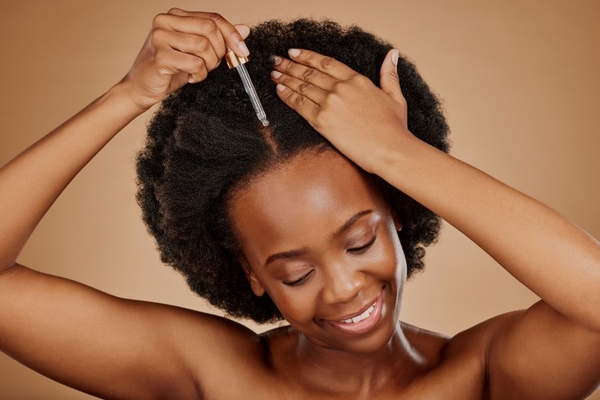
A study conducted by scientists at the South Korean biotechnology firm Innogene has used mitochondrial reactivation to encourage hair growth. Using a novel Mito-Activator Complex (MiAc) featuring nicotinamide and its derivatives, the study concluded that the complex significantly enhanced hair growth. The researchers also brought the method forward as a promising candidate for hair loss treatment.
The study comes as part of a growing wave of technical innovations and product launches focused on cellular wellness or “cellness.” The industry trend focuses on beauty products and active ingredients that function from the inside out, encouraging wellness on an epigenetic level. The products range from serums and supplements to topical creams.
In hair care, “cellness” products promise repair and strengthening rather than masking damage. The study adds to a growing list of endeavors to deliver scientifically backed solutions for personal care consumer demands.
Personal Care Insights speaks to one of the researchers, Dr. Namyoul Kim, about the study’s findings and potential industry applications.
How does the active ingredient studied affect biological processes related to hair growth compared to current hair care ingredients?
Kim: The raw material is a composition of substances that improve hair loss by enhancing mitochondrial activity, and it differs in its mechanism of action from existing hair loss treatments, promoting minoxidil’s blood circulation and inhibiting finasteride’s 5α-reductionase.
Mitochondrial activity was confirmed by in vitro tests such as ATP and mitochondrial content assay. In addition, expression of genes related to mitochondrial factors was confirmed by in vitro tests, and mitochondrial factors include mitochondrial transcription factor A (TFAM), ATP synthase F1 subunit alpha (ATP5A1), and estrogen-related receptor alpha (ERRα). TFAM is known to control both the maintenance and transcriptional expression of mtDNA (mitochondrial DNA), ATP5A1 is involved in maintaining the smooth supply of intracellular energy by increasing the efficiency of ATP synthesis, and ERRα has been shown to regulate the expression of genes involved in oxidative phosphorylation and mitochondrial biogenesis.
What biological pathways does the compound influence, and why are these relevant to hair health?
Kim: The raw material affects hDPCs (human dermal papilla cells) and hDFs (human dermal fibroblasts). Various growth factors secreted by hDPCs are known to promote the proliferation and differentiation of hair matrix cells, and in vitro tests have shown that they increase the cell viability and mitochondrial activity of hDPCs.
Human dermal fibroblasts also contribute to the formation of hair follicles, and in vitro tests confirmed increased expression of genes related to mitochondrial factors and secretomes associated with hair growth in HDFs. Secretomes associated with hair growth include vascular endothelial growth factor (VEGF), insulin-like growth factor 1 (IGF-1), and hepatocyte growth factor (HGF). VEGF has been reported to improve hair loss by promoting blood circulation by forming new blood vessels around hair follicles. IGF-1 plays a crucial role in promoting hair growth by regulating cell proliferation and migration during hair follicle development. HGF is a paracrine hormone known to promote hair growth by improving hair follicle development.
 Researchers tested mitochondrial activation in human dermal papilla cells. How might the effects seen in cells or lab tests translate to real‑world use in personal care products?
Kim: To determine whether in vitro test results translate into actual product efficacy, human application tests are necessary. Our company has already conducted human application tests on a product manufactured using the developed raw material, and the results confirmed significant improvement in hair growth compared to the control group. Commercial products based on the developed raw material are currently in development and on the market.
How do consumers perceive or understand benefits like enhanced hair growth at the molecular level, and how could marketing communicate this?
Kim: In Korea, advertising the molecular efficacy of cosmetics to consumers is prohibited due to concerns about misleading consumers into believing they are pharmaceuticals. Therefore, advertising should focus on demonstrating superior efficacy in human application tests compared to the control group. This also applies to the products currently being sold by this company.