




Cosmetics Europe calls to halt wastewater directive after court setback


Key takeaways
- Cosmetics Europe is calling to “stop the clock” on the Urban Wastewater Treatment Directive over concerns about disproportionate EPR costs.
- The industry argues the commission’s impact assessment overestimates cosmetics’ contribution to water pollution and misapplies the polluter pays principle.
- Companies warn that the directive could harm EU competitiveness and strain SMEs.

Cosmetics Europe has issued a call to halt the Urban Wastewater Treatment Directive (UWWTD) following the EU’s decision of its previous appeal as inadmissible. It states that without “urgent action” and revision, the implementation of the extended producer responsibility (EPR) scheme risks harming cosmetics companies operating in Europe and causing supply chain disruptions.
According to Cosmetics Europe, the scheme also jeopardizes Europe’s attractiveness to foreign investment and its competitiveness in two of its most prominent industries — cosmetics and pharmaceuticals.
The call states that the actual cost of cleaning Europe’s water will be between three and five times the commission’s estimate and maintains that the current allocation of culpability to the beauty industry for toxic load emissions is erroneous. The misattribution of liability, Cosmetics Europe says, “fundamentally contravenes a basic tenet of the EU law, the ‘polluter pays’ principle.”
“The UWWTD in its current form leaves companies facing disproportionate, unpredictable, and potentially high costs, unrelated to their actual contribution to water pollution,” says the letter, cosigned by Cosmetics Europe, EFPIA, medicines for Europe, and AESGP.
Flawed commission directive
The document states that the scientific data used to determine which sectors were assigned culpability for micropollutants under the EPR scheme was flawed.
It cites an independent analysis by Regulatory Science Associates that reveals significant methodological issues, including overestimation of wastewater concentrations and overly simplistic assignment of substance use to the cosmetics and pharmaceutical sectors.
Furthermore, by focusing responsibility solely on these two industries, the directive fails to incentivize environmentally conscious choices in other industries, or industries “not deemed responsible for their own water pollution,” the call says.
It stipulates that the European Commission’s Impact Assessment allocates ingredients banned or not used in cosmetics as pollutants deployed by the industry. The assessment also ascribes the use of ubiquitous substances exclusively to cosmetics.
All in all, the call states that the commission overestimates the cosmetics industry’s role in water pollution by at least 15 times.
“The UWWTD EPR scheme singles out cosmetics and pharmaceuticals without sound scientific justification, contradicting the polluter pays principle. Despite originally identifying a number of sectors as polluters, the European Commission finally deemed only two sectors responsible, compromising the ultimate objective of cleaning waters,” adds the letter.
“Thousands of SMEs in the cosmetics sector and companies from the pharmaceutical sector will be exposed to disproportionate financial and administrative burdens, threatening their competitiveness and the competitiveness of the EU as a whole.”
From the pharmaceutical perspective, the UWWTD would mean the sector would have to absorb all directive-created costs due to industry-fixed pricing, risking the supply and availability of medicines for millions of patients.
Rowing through it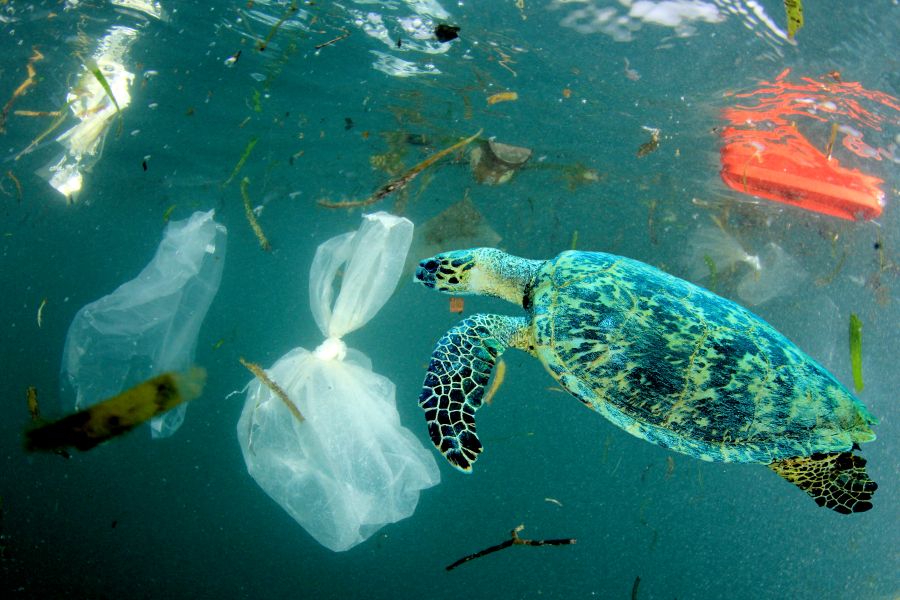 Industry actors say the polluter pays principle is being misapplied.
This dispute is far from new. Last year, Cosmetics Europe filed an application before the EU General Court seeking an amendment to the UWWTD, calling the UWWTD’s allocation of accountability costs a “blatant miscalculation.” The call, which comes as the newest update on the case, maintains that the sectors’ contribution to toxic loads in urban wastewater was overestimated.
The signatories of the letter say that the cosmetics and pharmaceutical industries are committed to the EU’s environmental objectives but that fiscal impositions to meet environmental goals must be “scientifically justified, proportionate, and evidence-based.”
The letter concludes by acknowledging the lack of action taken in response to repeated appeals from the cosmetics and pharmaceutical industries, leading the signatories to call for a “stop the clock” clause to the directive. They urge the Ministers of Economy to call on the European Commission to take the necessary steps to halt implementation and to reassess the UWWTD in light of the given concerns.
In other water news, the European Environmental Bureau (EEB) is warning that the upcoming EU Water Framework Directive reform roundtable held in Stockholm risks being saturated with industry representatives from sectors such as mining, steel, and metals while sidelining civil society voices.
The EEB underscores its concern that this misaligned representation at the roundtable will skew the discourse around weakening Europe’s water protection laws, directly affecting water quality, public health, and ecosystems.