




Playtime to peptides: CTPA helps parents navigate children’s skin care obsession


Key takeaways
- Children’s interest in skin care is rising, driven largely by social media and peer influence.
- Parents and industry bodies are increasingly concerned about safety, particularly regarding anti-aging products for minors.
- The growth of child-focused skin care is sparking ethical, parental, and regulatory debate.
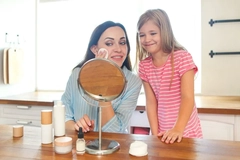
Almost all UK parents (85%) now discuss skin care with their children, and nearly a third (32%) talk about it several times a week, according to the Cosmetic, Toiletry and Perfumery Association (CTPA). The CTPA has launched a tool to guide parents navigating the child skin care phenomenon.
Following the latest skin care trends is increasingly popular among children. This leaves many caregivers alone to navigate the newfound and fast-changing landscape of advice, products, and social pressures.
Almost half of UK parents (42%) have reported that their child knows more about skin care than they do. Meanwhile, over half (65%) say young people today show greater interest in skin care than they did at the same age.
Growing in tandem with kids’ interest in skin care are parents’ concerns for safety and societal expectations. The launch of child-centered skin care brands, the apparent demand, and young consumers exploring anti-aging solutions have raised eyebrows and questions about how the kids’ beauty market will develop — and whether it should at all.
The CTPA’s SkinCare Simplified – A Parent’s Guide is designed to support families with clear information and answers to the most common questions. It was developed in partnership with consultant dermatologist Dr Anjali Mahto.
“With this new SkinCare Simplified – A Parent’s Guide campaign, we want to play our part in helping address this societal trend. Our aim is to ensure that products are used appropriately for each age range, helping young people understand how to develop healthy and age-appropriate skin hygiene habits and supporting parents in discussions with their children,” says Dr. Emma Meredith, director-general at CTPA.
The research was collected via an online survey of 2,000 UK parents of children aged 8–14, commissioned by the CTPA, and conducted by market research company OnePoll. The data was acquired between October 31 and November 11.
The influence of influencers
Skin care for children is clearly gaining momentum. Sincerely Yours, a skin care brand developed for teenagers, recently landed in Sephora, Claries launched personal care products tailored for tweens, and Rini, a skin care brand designed specifically for kids, was released last month.
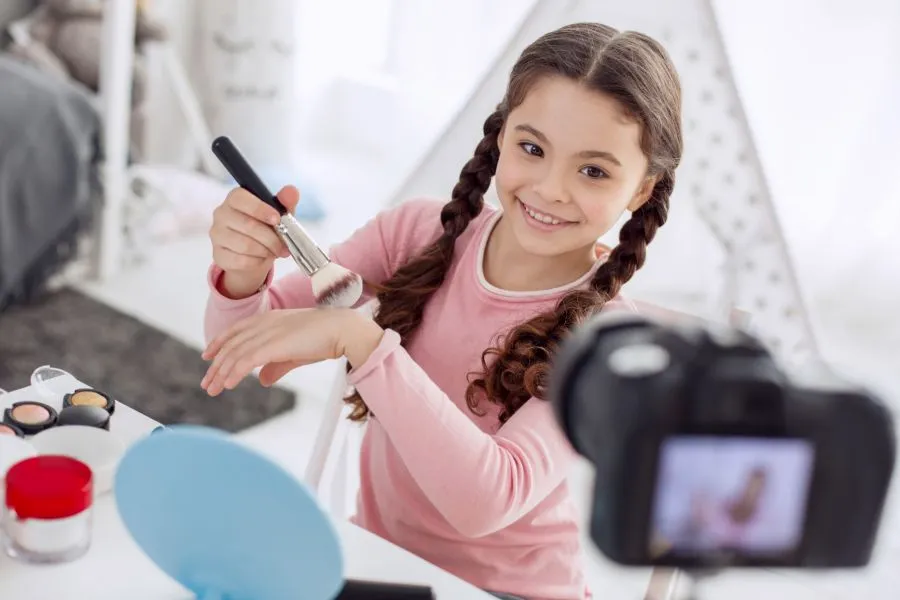 Social media is shaping young consumers’ beauty habits. The influx of brands catering to children stems from young people’s desire to get their hands on skin care, largely driven by what they see on social media.
When it comes to choosing and purchasing products, parents report that their children are influenced by social media (33%) and peers (28%). However, the most significant influence was found to be by parents themselves (54%).
Therefore, the CTPA believes key advice and messages on age-appropriate ways to look after young skin are needed from caretakers. Sixty percent of parents say they are open to their children using skin care, but acknowledge the need for guidance.
The new guide contains several sections addressing the most frequently asked questions by parents. This includes general advice on skin care for young people of various age groups, answers to common skin issues, and information on ingredients and labeling.
Anti-aging adolescents
SkinCare Simplified – A Parent’s Guide addresses anti-aging skin care and how to navigate common conversations on the topic.
According to the CTPA, parents are trying to talk to their children about the nuances of using different products, and 40% of parents have discussed the overuse of products. “There’s a particular unease around anti-aging products in this context,” says the association.
The kick-off of children’s infatuation with cosmetics can be traced back to the rise of “Sephora kids.” In 2024, social media exploded with complaints and concerns about “Sephora kids” who were purchasing expensive adult skin care and becoming enamored with anti-aging products.
The British Association for Dermatologists has warned that kids using skin products with anti-aging ingredients or other potent actives can leave them with irreversible skin problems.
Earlier this year, California, US, Assembly member Alex Lee introduced legislation to ban anti-aging products for minors in response to “Sephora kids.” However, the bill was placed in the California Assembly Appropriations Committee’s “suspense file,” which halted the bill and prevented it from advancing to a full vote.
What was once a tongue-in-cheek title given to a subgroup has now seemingly sprawled into a generational takeover.
In SkinCare Simplified – A Parent’s Guide, the CTPA reiterates its position that anti-aging products or complex routines should not be used on young people’s skin as they are not designed for this purpose.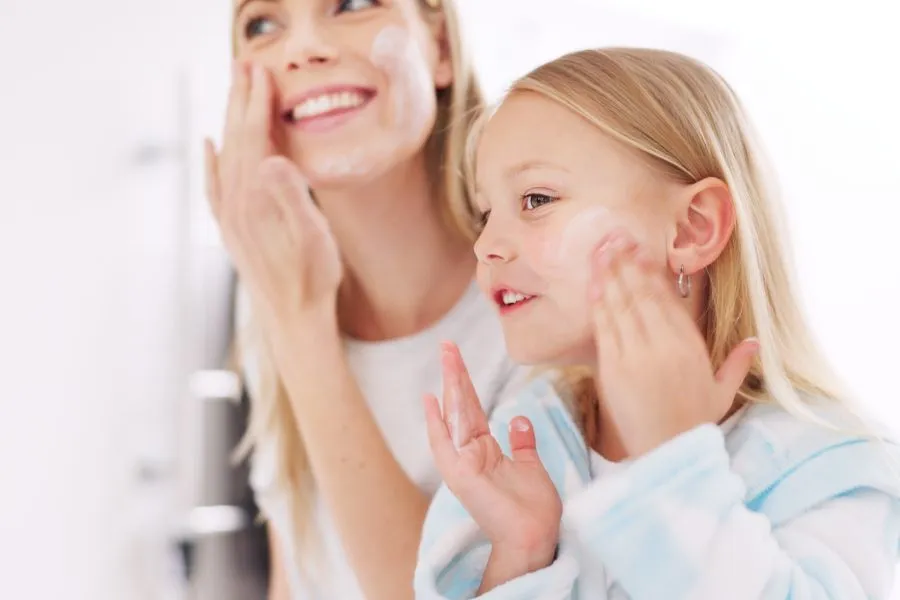 Parents are navigating a fast-changing skin care landscape.
“The CTPA, as the voice of the UK cosmetics and personal care industry, does not support young people using anti-aging products or complex and unnecessary routines,” says Meredith.
A majority (78%) of parents believe that cosmetics are unnecessary for children and that their use could pose potential risks to young skin. They also express concerns that children feel pressure from trends or social media to use them.
The aforementioned brand, Rini, is a prime example of the controversy surrounding kids and skin care. The brand announcement was met with immediate backlash, especially due to its imagery portraying very young children, as little as toddlers. Many consumers, and even other skin care brands such as Khiels, bit back, saying that kids do not need a dedicated skin care brand in the first place.
However, Rini says it fills the “need for safer, more innovative, and restorative care for children’s delicate skin.” Citing face paint, makeovers, and dance recital makeup, the brand says kids are often exposed to products that aren’t formulated for them.
Some industry experts argue that a brand formulated for kids’ skin is better than delving into products that are not designed for their use.
Financial responsibility
The CTPA research has indicated that children are playing an active role in their skin care choices. Over half of children (53%) choose the products they would like, with either a parent purchasing (38%) or the child buying through gift vouchers or pocket money (12%).
Often, the brands children pick are ones they see on social media.
The emergence of generation-specific brands targeting younger consumers may be an attempt to redirect them away from established labels with predominantly adult audiences. These legacy brands are wary that aligning too closely with youth-driven trends could dilute their image or deter their existing customer base.
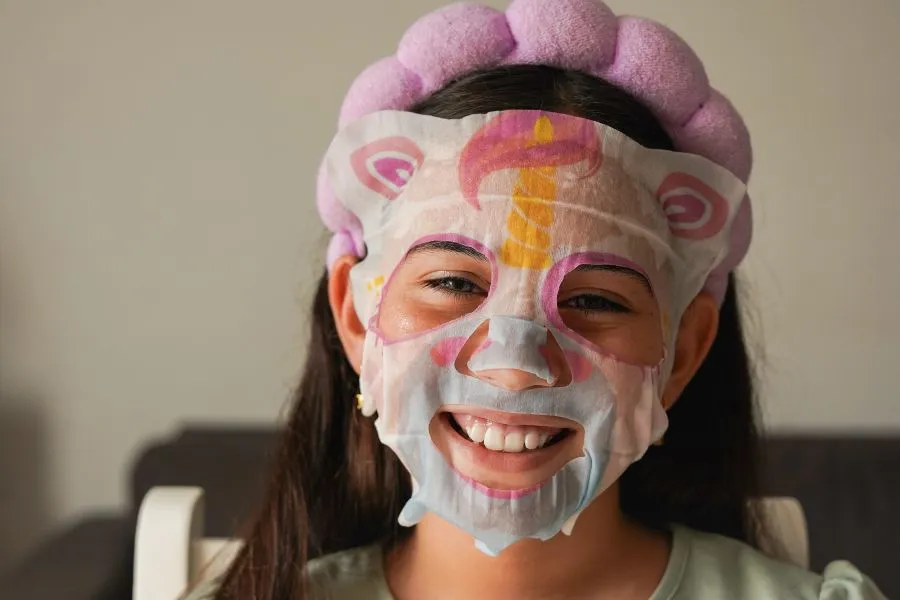 Child-centric skin care is reshaping the beauty industry. Drunk Elephant is a popular brand bought by young consumers. But its association with young people may have led to a financial downfall.
In May, Drunk Elephant’s sales dropped 65% year-over-year in the first quarter of 2025. The sharp decline caused a broader 8.5% decrease in net sales across Shiseido’s global portfolio.
Personal Care Insights spoke with Innova Market Insights’ project lead for Beauty Personal Care, who attributed this shift in customer base to a possible cause of weakening loyalty and fewer repeat purchases.
“Drunk Elephant’s packaging and market positioning in the social media sphere due to the viral ‘Sephora kids’ trend has been a bit of a double-edged sword…. This alienated the ‘serious’ skin-expert audience, despite the many active ingredients they used.”