




RFK Jr. pushes to legalize popular injectable peptides amid safety concern backlash


Key takeaways
- RFK Jr. is pushing to legalize injectable peptides, which are currently restricted by the FDA due to safety concerns.
- Injectable peptides are gaining popularity in the wellness space for their potential anti-aging and cosmetic benefits, though they lack long-term clinical studies.
- The proposed regulatory change aims to reduce the unregulated gray market, but experts raise concerns about safety and efficacy.
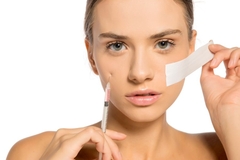
US Health Secretary Robert F. Kennedy Jr. (RFK Jr.) has announced efforts to make injectable peptides easier and legal to access, sparking celebration in the online “wellness” space.
The move would reverse current US FDA restrictions. The US government would have to place the proposed peptides — over a dozen — on a curated list of drug ingredients that authorizes compounding pharmacies to make them.
Currently, the FDA does not permit pharmacies to compound some of the most popular peptides due to safety concerns and a lack of data. The injectable peptides RFK Jr. wishes to make available were banned because of potentially significant safety risks.
Peptides are chains of amino acids produced naturally in the body. They serve many different functions, such as decreasing inflammation or increasing collagen production. The ingredient has been used in topical skin care solutions since the 1990s, but injectables have now garnered public buzz.
In February, RFK Jr. said on the Joe Rogan Experience podcast that he expected the FDA to change the status of “about 14” injectable peptides in a “couple of weeks” to give consumers access to them from “ethical suppliers.” The announcement led to anticipation in the online longevity sphere of loosened restrictions on the trendy yet unapproved therapies.
Injectable peptides, once for strictly medical applications, are now champions in the often unregulated “wellness” space. They have gained considerable popularity for beautification purposes.
Social media influencers claim they have longevity properties, detailing anti-aging, skin rejuvenation, tissue repair, and body optimization. Unlike topicals, they are said to offer direct, systemic cellular support.
However, experts conject the popularized online sentiment, saying that many injectable peptides lack rigorous, long-term human studies. They are also considered a “gray market” by regulatory bodies.
Pushing to regulate the unregulated
The US health secretary’s plan surrounds 17 peptides that were restricted by the FDA in 2023 due to safety concerns. Now, compounding pharmacies that were not allowed to produce them may be permitted to do so.
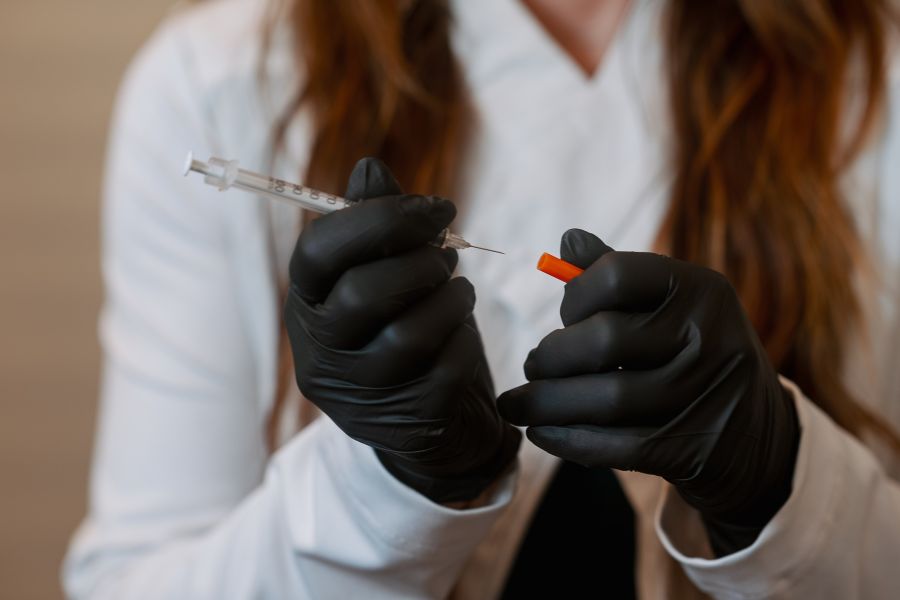 Experts caution against unproven injectable peptide benefits. Many of these peptides have not been approved by the FDA as safe or effective drugs, and experts have noted that they are marketed for unproven benefits related to anti‑aging, wellness, and cosmetic uses without clinical evidence.
RFK Jr. aims to reinstate licensed pharmacies’ ability to manufacture these peptides. He positions the decision as a way to curb the growing gray market, where unregulated products are sold online.
“It’s all over social media. The black market and the gray market are running amok,” Scott Brunner, CEO of the Alliance for Pharmacy Compounding, which is pushing for the changes, told NPR.
Consumer demand or safety?
Injectable peptides are often used in combination, referred to as “stacks,” in an effort to achieve complementary effects and often offset the negative side effects of each other.
A prominent figure in the online “wellness” space who “stacks” drugs is “looksmaxxer” Clavicular. “Looksmazxxing” refers to optimizing one’s physical appearance, but sometimes by going to extremes. Clavicular has suggested the use of peptides as part of a “looksmaxxing” regimen, implying that these compounds can contribute to aesthetic improvements, including skin health and overall appearance.
The Biden-era prohibition of peptides left those seeking injectable peptides to take to the internet and find websites that offer research-grade solutions not intended for human use.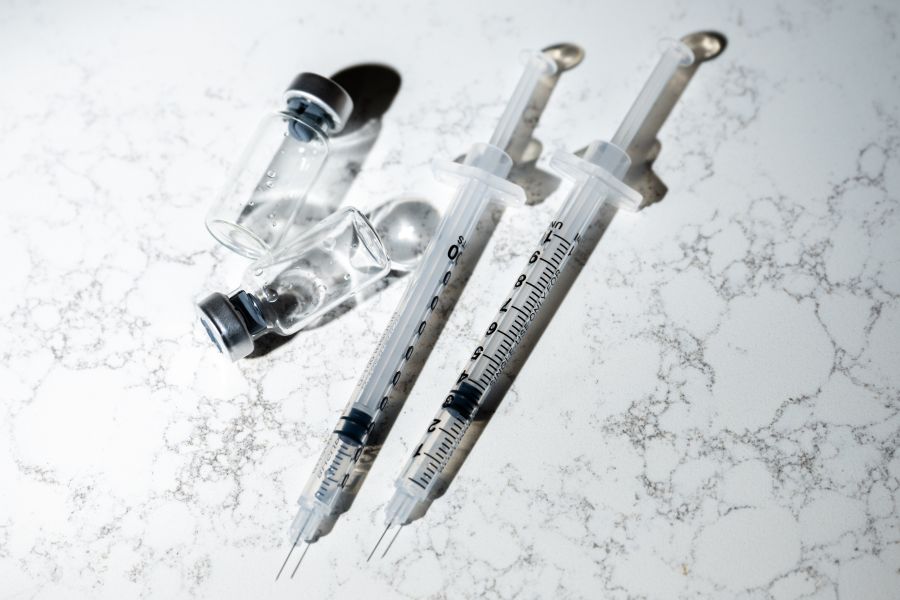 Social media is fueling the popularity of injectable peptides.
The compounds influence various biological pathways and are used to achieve an array of results. Some who illegally gain the solutions crave better skin health, but the efficacy evidence mostly comes from animal or cell culture tests, with smaller studies involving humans.
“If injectables can reach consumers without human trial data by executive fiat, the foundation of the drug approval system is eroded,” says David Beier, managing director of Bay City Capital.
While RFK Jr.’s sought-after regulatory change is intended to regulate access to peptides, reduce reliance on unregulated markets, and respond to rising consumer demand for alternative beauty treatments, concerns among regulators and public health experts about safety risks and lack of clinical approval remain.