




“Vaginal longevity” sparks innovation and debate over accessibility
Key takeaways
- Longevity culture is moving into intimate care, led by at-home microbiome tests.
- High prices are raising questions about whether vaginal health is becoming a status symbol.
- Evvy calls for more research and accessible diagnostics to take the category mainstream.


Longevity has seeped into every corner of personal care – from skin to hair to supplements — and now consumers’ quest to “age gracefully” has made its way down to the vagina.
The “vagina longevity” conversation hit the mainstream earlier this year after longevity entrepreneur Bryan Johnson shared his partner’s vaginal microbiome score online, declaring her in the “top 1% of all vaginas.” The post garnered millions of views and a wave of coverage from Vanity Fair, Vogue, and Vice.
Recent innovations, such as at-home vaginal microbiome tests and red-light vibrators, are merging personal care and intimate wellness, giving the vagina its own longevity makeover. With price tags in the hundreds, the costs of these “vagina longevity” solutions have also raised the question: is vaginal health now a status symbol?
Personal Care Insights speaks with Pita Navarro, chief scientific officer at at-home vaginal microbiome testing platform Evvy, and Luka Matutinović, CMO at sexual wellness brand Lelo, about what is driving the category, who is paying for it, and whether it can move from luxury to mainstream.
Navarro believes the search for longer vaginal healthspan is on the brink of becoming a much larger category, calling it an “important and lasting area.”
“The growing interest in vaginal longevity signals a fundamental shift in consumer expectations. Women aren’t necessarily looking for more vaginal health products, they’re looking for answers. They want to understand their bodies, access meaningful health information, and make decisions based on their own biology rather than a one-size-fits-all approach.”
Meanwhile, Matutinović says Lelo’s Mona Spectra, launched last month, was inspired by the accelerating crossover between sexual wellness and the beauty and skin care industries — “drawing upon the philosophy of longevity.” Mona Spectra is a red light intimate wellness massager costing €299 (US$327.89). It uses non-thermal LED light and claims to provide cellular nutrition, hydration support, and long-term tissue vitality. Navarro says women want answers about their bodies, not more products.
What sparked the conversation
Johnson publicly revealing his partner’s vaginal health score sparked a wave of attention and news outlets weighing in on the rise of elitist vaginas. The tech entrepreneur turned longevity biohacker is best known for his extreme anti-aging regimen. Navarro says that the fact that a figure from male optimization culture drove the conversation into the public eye is “a bit of both” progress and problem.
“On one hand, it’s significant that a topic once considered taboo is now generating millions of views and sparking conversations about the vaginal microbiome. We need more people talking openly about vaginal health, and visibility can help normalize conversations that have been pushed to the margins for far too long.”
“On the other hand, it’s important to ask who’s controlling the narrative. Women’s health shouldn’t need validation from male biohacking culture to be taken seriously. Women and people with vaginas have been asking for better research, diagnostics, and care for decades.”
While Johnson’s post may have brought at-home vaginal microbiome testing kits into the spotlight, intimate longevity framing has been building in personal care for years.
According to Matutinović, the longevity approaches first gained traction in the skin care industry, “where protecting the skin barrier, regeneration, and preventive care became increasingly important.” But now, it has “subsequently extended to other segments.”
The price of vaginal longevity
Consumers becoming more interested in personalized solutions has led to companies bringing vaginal health diagnostics, products, and services to market. Many of these innovations involve advanced lab technology and clinical expertise, which can drive up price.
Media reporting has documented what longevity’s turn to the vagina can cost. The New Yorker investigated what it dubbed the “billionaires’ vagina club.” The publication profiled a Silicon Valley gynecologist who charges patients over US$30,000 a year for concierge care aimed at extending women’s “sexspan.”
Navarro says that consumers’ high willingness to pay for “vagina longevity” solutions does not translate to them wanting another luxury wellness category. Instead, it reflects a “significant unmet medical need.”
“The price point tells us two things: there’s real consumer demand, but there’s also a significant accessibility gap. Access to meaningful vaginal health information shouldn’t be a luxury. Our industry needs to figure out how to make high-quality diagnostics, education, and personalized care more affordable and accessible.” 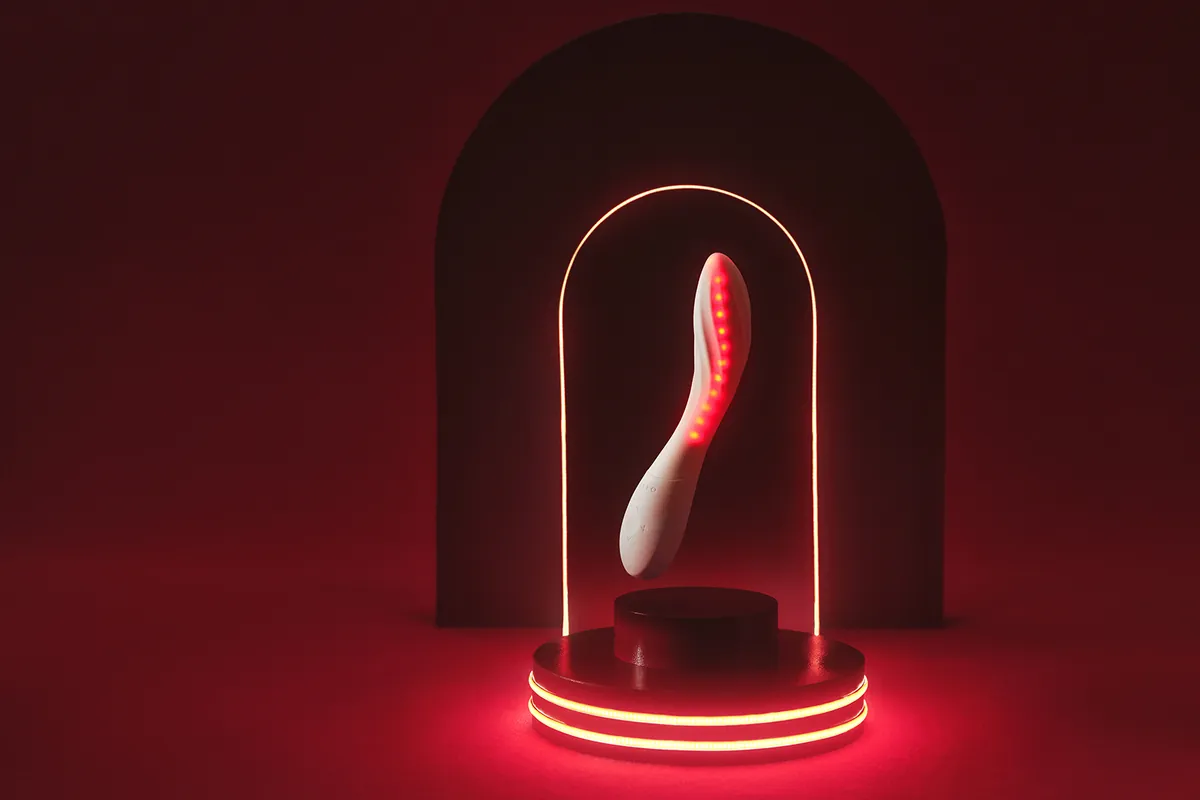 Matutinović sees intimate longevity becoming a mainstream lifestyle routine.
For the category to move from luxury to mainstream, Navarro believes three things need to happen: “First, we need more research, particularly long-term studies that show how vaginal health changes throughout life and what those changes mean clinically. Second, we need better diagnostics that are accessible, reliable, and useful to both patients and providers. And third, we need to connect diagnostics to interventions that actually improve outcomes.”
“Ultimately, the opportunity is to make vaginal health a normal part of preventive, personalized health care. No one should have to be a biohacker or have a luxury wellness budget to understand their own biology.”
Over the next five years, Matutinović anticipates that vaginal longevity solutions will fully transition from an emerging wellness trend into a standard component of mainstream lifestyle routines.
“As open conversations around menopause, pelvic floor health, and sexual vitality continue to break down long-standing taboos, consumers will increasingly search for accessible, at-home wellness technologies,” he says.
Final stretch of longevity research
Navarro at Evvy believes that the emergence of “vagina longevity” is part of a larger shift in how people think about health and longevity. She notes that the industry has spent decades investing in understanding longevity across almost every other part of the body, but that the vagina has been largely left out.
“We’ve seen enormous investment in understanding the gut microbiome, metabolic health, skin aging, and brain health. Yet the vaginal microbiome, which is closely tied to hormonal changes and reproductive health, has received comparatively little attention.”
Historically, vaginal health has been approached primarily as a shame-driven hygiene issue rather than a studied biological system. Intimate care has largely centered on odor, cleansing, and treating infections after symptoms appear.
However, the vagina is home to a complex microbial ecosystem that changes throughout life, Navarro explains. It’s influenced by hormones, menstruation, pregnancy, sex, antibiotics, menopause, and more. “Understanding that ecosystem opens up an entirely new way to study women’s health,” she adds.
Lelo’s Matutinović echoes that intimate care has been traditionally treated through a “strictly reactive, clinical lens.” He says women were taught to only address their vaginal health when symptoms and issues became painful.
According to Matutinović, the emerging conversation around “vagina longevity” fundamentally reshaped the company’s development process for the Mona Spectra.  Vaginal longevity solutions often come with price tags in the hundreds.
New frontier for brands and suppliers
Navarro says one of the most exciting things about the “vagina longevity” movement is that it opens new areas of scientific discovery. She calls the industry movements replacing shame with science “exciting” while maintaining caution not to “replace one form of stigma with another.”
“We shouldn’t move from telling women their vaginas are dirty to telling them their vaginas need to achieve a perfect microbiome score.”
Navarro says there’s an “enormous opportunity” to uncover biological mechanisms not fully understood, and ask entirely new questions about female health.
“The next decade will bring incredible opportunities as advances in technology, data science, and research allow us to study female biology…We’re only scratching the surface of what we can learn.”
On the product side, Navarro notes a significant opportunity to move beyond traditional feminine hygiene and toward products designed to support the natural vaginal environment. That would include microbiome-conscious topicals, evidence-based probiotics, hormone-free moisturizers, and formulations designed for people navigating different hormonal and life stages.
“I’m particularly excited about the potential for more personalized solutions. As we better understand how individual biology varies, we may be able to develop more targeted products and interventions rather than relying on a one-size-fits-all approach,” she says.