


John Frieda’s rebrand: Balancing innovation and tradition in an evolving industry


Key takeaways
- John Frieda has refreshed its brand identity to create a more cohesive consumer experience.
- The Hot Hair Hotline social media campaign uses real-time, interactive moments to address everyday hair care needs.
- The rebrand reflects how the beauty industry is adapting to rapid market changes, AI-driven trends, and evolving consumer expectations.
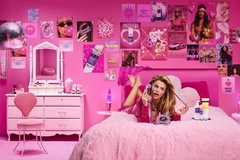
John Freida has unveiled a refreshed brand identity through reimagined packaging, updated ingredient formulations, and a new social-media-first brand campaign. In keeping up with the times, the legacy brand is leveraging its heritage while aiming to maintain market appeal through novelty and innovation.
The rebrand builds on John Freida’s established name and aims to step ahead of the rapidly moving curve in the cosmetics industry. The existing market climate is driven by micro-trends, novel consumer behavior, and breakneck R&D turnover times fueled by AI. Legacy brands like John Freida are not immune to vulnerabilities caused by competitive markets, volatile currencies, and geopolitical dynamics, and are thus working to future-proof through a rebrand.
Through “confident evolution,” the hair care giant is balancing innovation with tradition and aiming to “strengthen its authority across today’s most important hair needs.”
The three major changes the company’s refreshed brand identity puts forward are image, ingredients, and scent.
The new packaging aligns with John Freida’s sub-brand color system, which assigns colors to hair care needs, while introducing a more modern, minimalist visual identity. The aesthetics prioritize a clean and cohesive look across the brand’s product portfolio.
The ingredients list is also being revised and streamlined, as the company is opting for fewer ingredients with higher efficacy. Prioritizing performance, the company is following consumer demand as they become more informed and ingredient-conscious.
The brand’s new elevated fragrance profile aims to give consumers the luxury of the salon experience at home. It aims to maintain its pre-rebrand salon-quality focus by keeping its signature scents, which are “authentically salon-like.”
Ushering in Hot Hair Hotline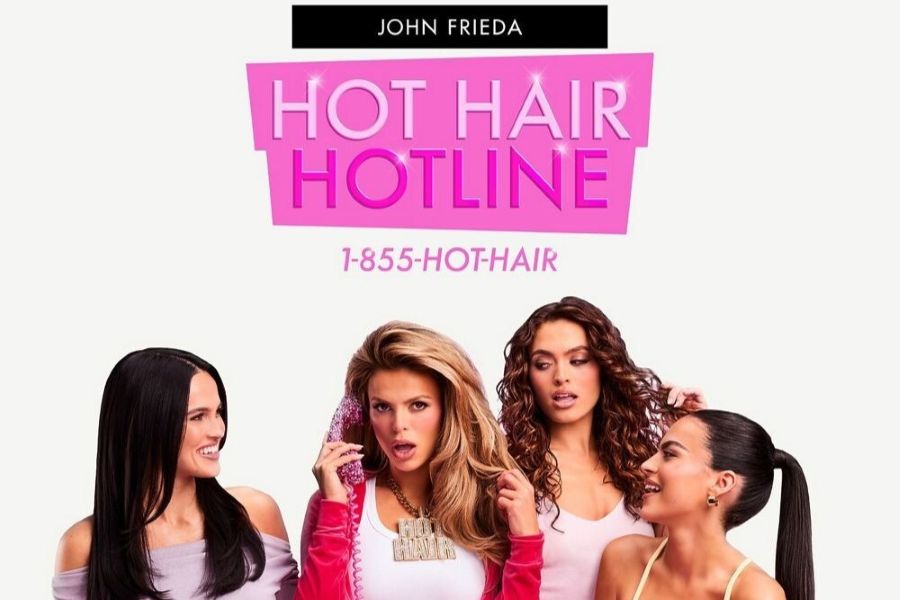
The Hot Hair Hotline campaign offers real-time hair solutions.
John Freida’s rebrand is supported by Hot Hair Hotline, a social media campaign that combines education with entertainment. “Designed to deliver fast, fun, and personalized hair solutions in real time,” the campaign aims to aid consumers in their everyday hair care crises by offering product solutions.
Following Gen Z market trends, the campaign centers on Louisiana-based reality TV stars, The Nader Sisters. Citing their bold personalities and relatable sister dynamics as two of their primary qualities as brand ambassadors, the campaign is marketing for consumer engagement through short-form video, content, and interactive moments.
“This rebrand marks a defining new chapter for the brand — reimagining how that promise shows up today through elevated formulas, a modern, professional design, and a culture-forward platform like The Hot Hair Hotline. It’s a bold new way to bring our expertise in frizz control, color care, blonde maintenance, and volumizing solutions into real, everyday moments,” says Marissa Vallillo, director of marketing at John Frieda Hair Care.
Big brands feel the pressure
Other industry veterans are also feeling the changing market tides and are revisiting their branding, selling off, or even closing up shop.
Unilever is among the big names to introduce fresh branding strategies with its SASSY marketing model. The strategy, introduced last year, focuses on premiumizing mass-market staples through the new campaign while engaging consumers emotionally by making everyday products feel aspirational. The approach also accounted for AI-led industry developments by considering contemporary consumption behaviors.
Alongside its rebranding, Unilever has also been cutting its portfolio. The personal care giant announced the closure of its skin care brand, REN, after 25 years in business.
Color-centric beauty brand Barry M was recently acquired by its cosmetics competitor, Warpaint, amid blows from US tariffs and a challenging consumer environment. Although Barry M has been a staple in the punk and drag scenes since its inception in 1982, analysts posited that the brand struggled to stay current due to a lack of innovation and was overshadowed by contemporary competitors despite rebranding in March 2025.
Similarly, AS Beauty pulled the shutters down on legacy brands CoverFX and Mally Beauty last month, attributing the closures to rising industry costs due to tariffs and shifting marketplaces. By making the “heartfelt” cuts, AS Beauty is refocusing its product portfolio to modern demands.