

Sephora to introduce safeguards on child cosmetics use after investigation

Key takeaways
- Sephora will add clear warnings and staff training to prevent inappropriate skin care marketing to children following an investigation.
- Regulators are increasing scrutiny on beauty brands targeting anti-aging products at minors.
- Growing concern from parents and dermatologists highlights the risks of children using adult skin care driven by social media trends.
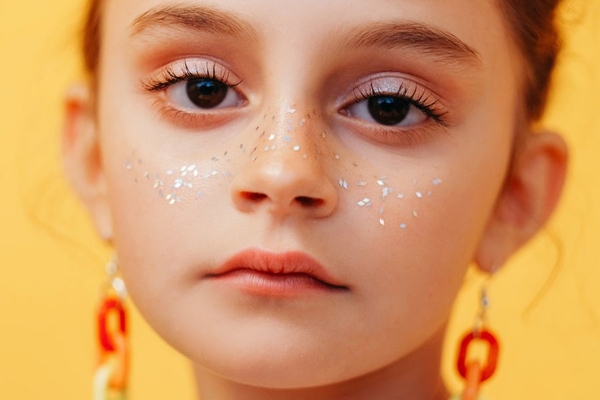
Sephora is adopting safeguards on marketing anti-aging skin care to children, as the formulas may be harmful to their skin. The agreement resolves an investigation by Connecticut, US, Attorney General William Tong, launched in November 2024.
The Attorney General announced that Sephora has agreed to clearly and conspicuously disclose warnings and disclaimers on all pages of the website where products are sold. All employees will also receive mandatory training to identify what products are not appropriate for children.
“Our kids — especially tween and teen girls — are inundated with influencer content pushing product after product loaded with messages about appearance, hygiene, and self-care. Not every product promoted online is safe or appropriate, and far too often, that information is not clear,” says Tong.
“Today’s settlement with Sephora includes strong, enforceable measures to ensure young customers are seeking accurate warnings and information about the safety and suitability of products for young skin.”
A reputation with parents.jpg)
Influencer culture fuels early adoption of skin care among kids.
The Connecticut attorney general’s concern for children’s health and vulnerability in the personal care industry is not an isolated case. Sephora has repeatedly come under fire due to its appeal to kids, whether directly or via influencers.
In 2024, social media exploded with complaints and concerns about “Sephora kids” who were purchasing expensive adult skin care and becoming enamored with anti-aging products. The phenomenon sparked discourse surrounding both the physical and mental well-being implications for children.
“We’re seeing more and more children using skin care products that were never designed for developing skin. The reality is that kids’ skin is more sensitive, and ingredients like retinol and strong acids can cause irritation and even long-term damage,” says Dr. Andrew Carlson, division head, primary care, Connecticut Children’s.
“This is why education matters. It is important to help families understand that when it comes to kids’ skin care, simpler is often safer. Efforts like this do that and give parents and young consumers the critical information they need to make healthy choices.”
Previously, the British Association for Dermatologists warned that kids using skin products with anti-aging ingredients or other potent actives can leave them with irreversible skin damage.
According to the Cosmetic, Toiletry and Perfumery Association, parents are trying to talk to their children about the nuances of using different products, and 40% of parents have discussed the overuse of products. “There’s a particular unease around anti-aging products in this context,” the association previously told Personal Care Insights.
Despite continuous backlash from parents and concern from dermatologists, the industry’s propensity toward developing products for children persists.
Skin care brands developed for teenagers or kids, like Sincerely Yours and Rini, are gaining momentum. While larger companies like Claire’s are expanding offerings to cater to tweens.
However, Rini’s brand announcement was met with immediate backlash, especially due to its imagery portraying very young children, as young as toddlers. Many consumers, and even other skin care brands such as Khiels, bit back, saying that kids do not need a dedicated skin care brand in the first place.
Company of interest
New rules aim to protect children from harmful beauty messaging.
It hasn’t been long since the last time the LVMH-owned beauty retailer was in hot water with authorities for its contentious marketing strategies.
Earlier this month, Italian authorities launched an investigation into Sephora and Benefit Cosmetics over a claimed use of “covert marketing strategies” to sell adult cosmetics to children. The Italian Competition Authority said that marketing beauty products to minors is “particularly insidious” and may be fuelling “cosmeticorexia” — the growing obsession with achieving “flawless” skin — posing a potential risk to their health.
The investigations are two out of a growing number of top-down legislative interventions in the private personal care sector regarding the safety of children.
Last year, California, US, Assembly member Alex Lee introduced a bill to ban anti-aging product use in minors, citing performativity in brands’ claims of well intention.
“Kids don’t need anti-aging products. The beauty industry knows that, and some companies have acknowledged the issue. But their statements — absent real and meaningful action — are performative and fall short of responsible behavior,” Lee told Personal Care Insights.
Similarly, skin care brand Mantle moved to restrict younger consumers from buying its products by introducing an age check on its websites. Meanwhile, Sweden’s largest private pharmacy chain, Apotek Hjärtat, banned consumers under 15 years old from purchasing skin care products in stores.