

Italian authorities probe Sephora and Benefit for marketing adult beauty products to children


Key takeaways
- Italian authorities are investigating Sephora and Benefit Cosmetics for marketing adult products to children, raising concerns about “cosmeticorexia.”
- The use of micro-influencers to target minors with age-inappropriate beauty products, including anti-aging creams, is under scrutiny.
- There is growing concern over the physical and mental health impacts of promoting beauty standards to children, including risks to self-esteem and body image.

Italian authorities have launched an investigation into Sephora and Benefit Cosmetics over a claimed use of “covert marketing strategies” to sell adult cosmetics to children. The Italian Competition Authority (AGCM) says that marketing beauty products to minors may be fuelling their growing obsession with achieving “flawless” skin, referred to as “cosmeticorexia,” potentially posing a risk to their health.
AGCM calls the LVMH subsidiaries’ marketing tactics “particularly insidious.” The brands have worked with young micro-influencers, which the authority says drives “compulsive purchase of cosmetics” in vulnerable demographics, including girls under the age of 10.
LVMH confirmed to Personal Care Insights that Sephora, Benefit, and LVMH P&C Italy have been notified of the investigative procedure opened by the AGCM. The luxury goods conglomerate told us that it maintains the brands act in “strict compliance with applicable Italian regulations.”
“As the investigation is ongoing, Sephora, Benefit, and LVMH P&C Italy cannot share further comments at this stage, however, they express their willingness to fully cooperate with the authorities.”
The AGCM is examining the advertisement of age-inappropriate products such as anti-aging creams, face masks, and serums to young girls. It cites concerns that key information regarding the safety of the products’ use for minors “may have been omitted or presented in a misleading manner.”
Personal Care Insights also contacted AGCM, who declined to comment.
“Cosmeticorexia”; all the rage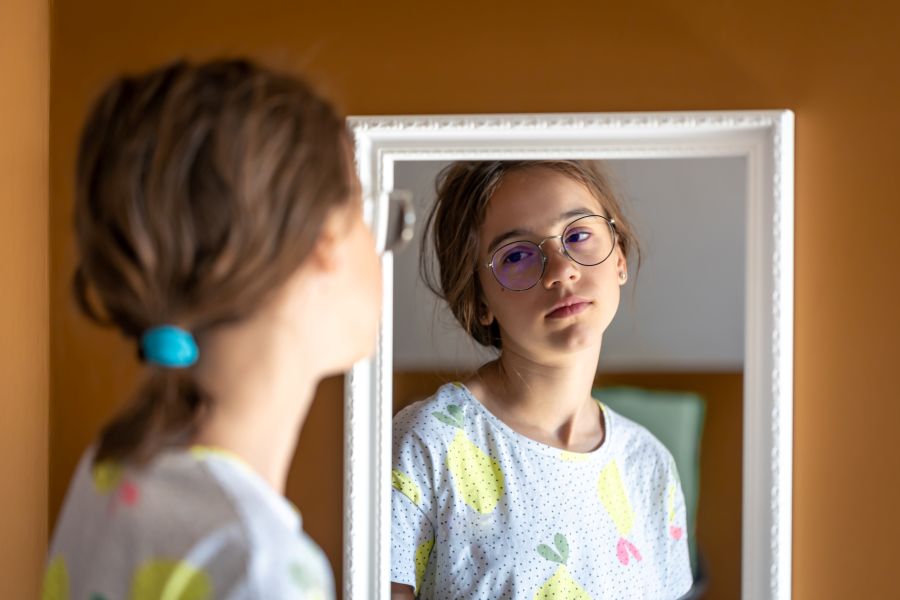
The rise of “cosmeticorexia” is linked to children’s obsession with flawless skin.
An article by the Italian National Institute of Health, published in Dermatology and Therapy, explains cosmeticorexia as the “culturally reinforced preoccupation or obsession with achieving flawless skin that can lead to excessive, age-inappropriate, or compulsive use of cosmetic products and procedures.”
The article attributes the rise in prevalence of the phenomenon to the growth of cosmeceutical markets and beauty routine-based content driven by social media platforms, targeting increasingly younger groups.
The term is one of the newer iterations of ongoing concerns regarding the role of the beauty industry in approaching children as a market demographic.
The investigation is not the first time the beauty retailer has come into hot water for kids’ increasing use of cosmetics. In 2024, social media erupted with complaints of “Sephora kids,” referring to the wave of children using makeup and skin care and thus being spotted in the retailer.
Children’s rising experimental attitude toward cosmetics has raised concerns among dermatologists and other skin care professionals. The scientific review, Dermatological Safety of Cosmetic Products Marketed to Children: Insights on the Sephora Kids Phenomenon, published in J Drugs Dermatol, mentions “notable dermatological challenges” in children’s repeated use of makeup and skin care products.
The paper examines the effects of retinol, exfoliating acids (AHA and BHA), and vitamin C on children’s skin. It concludes that current literature and FDA-approved guidelines demonstrate that the chemicals have not been adequately tested in pediatric skin. According to the review, children using the products without medical supervision may experience a range of adverse effects on their skin health, such as skin redness, irritation, increased sun sensitivity, or dermatitis.
In addition to the dermatological risks to juvenile skin, parents and mental health professionals are raising concerns about the long-term ramifications to self-esteem and personal image.
“The signal it sends to young girls is that they shouldn’t age and look like they’re never getting older than 8 years. This is so wrong and so harmful for young girls,” read a comment on the launch announcement of Rini last year, a skin care brand designed specifically for children.
Online discourse has underlined the ethically precarious components of marketing to minors. Some beauty industry members have called for an industry-wide confrontation of the issue of the normalization of selling to children.
Legislating “Sephora kids”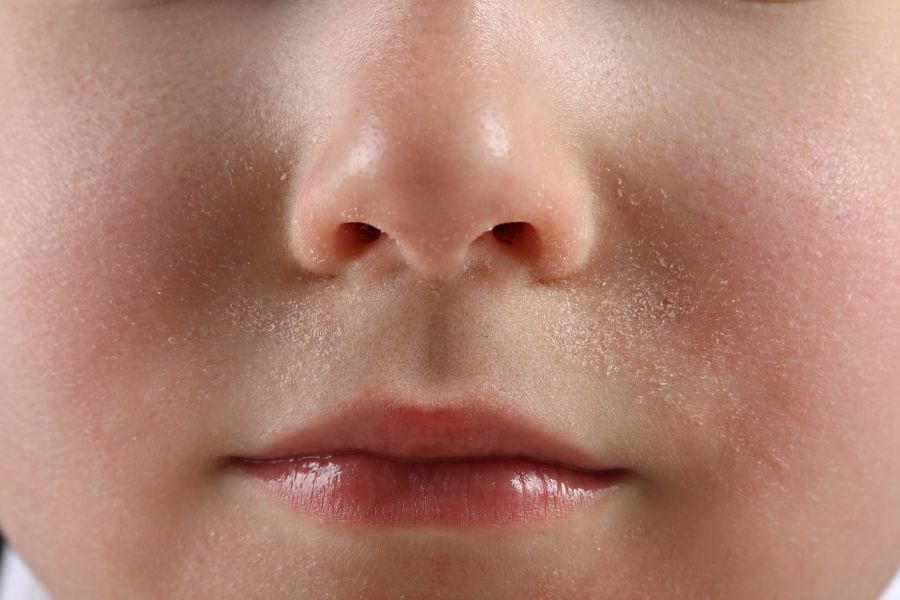
Concerns continue to rise over the impact of age-inappropriate cosmetics on children’s health.
Italy’s investigation is one of a growing number of top-down legislative interventions in the private personal care sector regarding the safety of children.
Last year, California Assembly member Alex Lee introduced a bill to ban anti-aging product use in minors, citing performativity in brands’ claims of well intention.
“Kids don’t need anti-aging products. The beauty industry knows that, and some companies have acknowledged the issue. But their statements — absent real and meaningful action — are performative and fall short of responsible behavior,” Lee told Personal Care Insights.
Similarly, skin care brand Mantle moved to restrict younger consumers from buying its products by introducing an age check on its websites. Meanwhile, Sweden’s largest private pharmacy chain, Apotek Hjärtat, banned consumers under 15 years old from purchasing skin care products in stores.