




WeNatal on transforming fertility into a shared personal care ritual


Key takeaways
- WeNatal is transforming fertility care into a shared, inclusive ritual for both partners.
- The brand emphasizes clean, bioavailable nutrients and transparency, addressing gaps in male fertility health and promoting holistic wellness.
- WeNatal says preconception care is becoming a proactive part of daily routines, with couples integrating fertility support into their overall wellness practices.
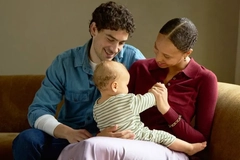 (All image credit: WeNatal).
WeNatal is reframing fertility as personal care for both partners. Gender expectations are shattering throughout all facets of the industry — from androgynous scents to makeup for men — and are now also trickling into fertility.
The clean reproductive supplement brand aims to shift the fertility paradigm from “me” to “we.”
Personal Care Insights speaks to WeNatal about how the preconception conversation has drawn on trends from cosmetics, like daily routine integration and re-configuring gendered self-care.
WeNatal was founded by Ronit Menashe and Vida Delrahim following their own experiences with pregnancy loss. The brand aims to address the “invisible partner.” It says that despite men contributing 50% of the genetic equation, sperm health is rarely discussed.
WeNatal claims to fill this gap with “the first” prenatal system designed for both partners, using bioavailable nutrients.
Menashe, co-founder of WeNatal, discusses how the clean beauty movement has changed consumer behaviors in other personal care categories, such as fertility.
Fertility support has traditionally sat in the supplement space — how do you see it increasingly intersecting with personal care and holistic wellness?
Menashe: The conversation is finally shifting from reactive to proactive, and that shift is everything. What we call Trimester Zero, the three to six months before you try to conceive, has become the most important and most overlooked window in the fertility journey. We worked closely with experts like Dr. Mark Hyman to ensure our philosophy treats nutrients as vital information for the body during this window.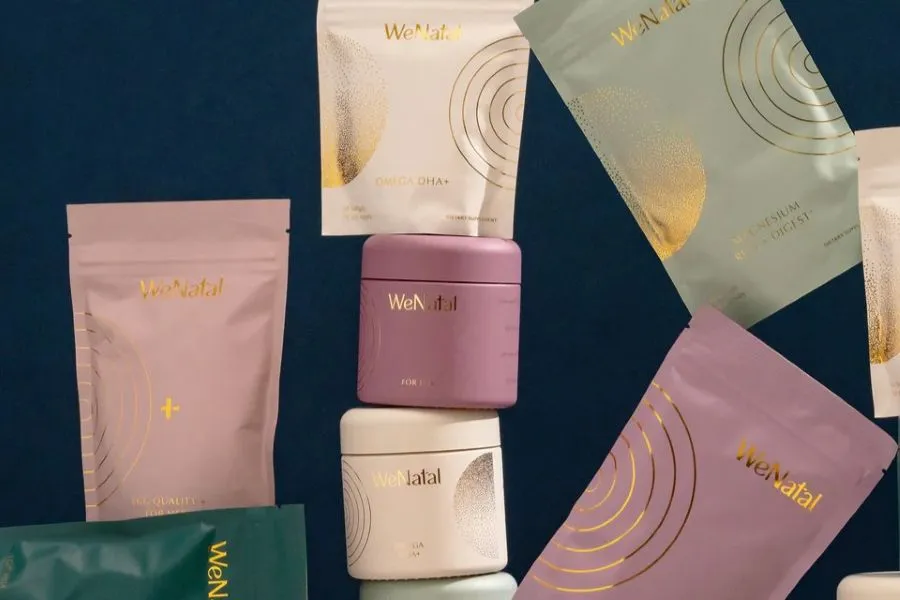 We discuss how inclusive fertility support is for men and women.
Couples are now approaching preconception with essentials like the WeNatal Together, the way serious athletes approach training: with intention, with preparation, and with the understanding that what you do before the starting line matters as much as anything that comes after it. Fertility is becoming a pillar of a proactive wellness lifestyle, sitting alongside nutrition, sleep, movement, and stress management, and that is a cultural shift we are proud to be driving.
Are you seeing fertility support become part of a daily self-care ritual in the same way as skin care?
Menashe: We’re seeing preconception care evolve into a shared morning ritual that’s just as consistent as a skin care routine. When both partners have their own targeted supplements — whether it’s their daily prenatal capsules or a shared habit like Omega Together — it stops being a ‘chore’ for the woman and starts being a team effort.
That shared habit builds something real: a sense of connection and accountability that makes the path to parenthood feel like something you’re walking together, from the very first day.
Where do you see the biggest opportunities for crossover between fertility solutions and adjacent personal care categories?
Menashe: The next frontier is a 360-degree approach where fertility touches every aspect of a couple’s daily routine, from what they eat to what they put on their skin.
What we are seeing in clean beauty is the same awakening we experienced in supplements. Consumers who have spent years auditing their moisturizers and serums for endocrine disruptors, synthetic fragrances, and hormone-disrupting chemicals are now asking those same questions about everything else in their environment. That awareness is a gift, because it means couples are already primed to think about preconception holistically. There is a massive opportunity to bridge what we eat, how we live — integrating supportive nutrients like Omega DHA+ or Rest + Digest Magnesium into the evening wind-down — to ensure that every product a couple reaches for supports their hormonal health rather than working against it.
We are building a movement toward more informed, empowered, and nourished parenthood, and the clean beauty industry has helped pave the way for that conversation more than people realize.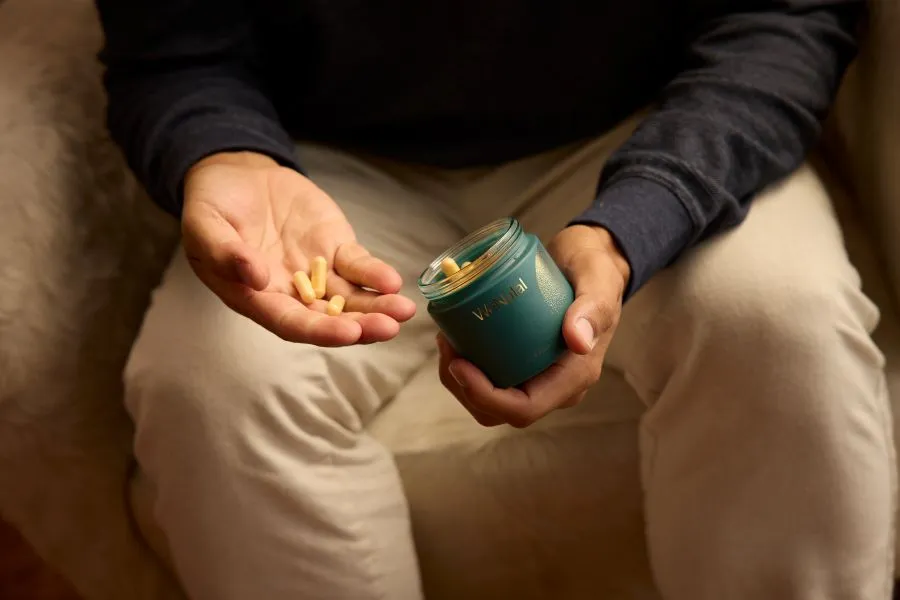 WeNatal emphasizes the importance of male fertility in the reproductive journey.
How is the demand for transparency and ingredient integrity, seen in skin care, shaping innovation in fertility-focused products?
Menashe: Consumers have become label detectives with their skin care, and we are bringing that same scrutiny to the supplement aisle. When Vida and I started building WeNatal, one of the things that frustrated us most was discovering how unregulated the supplement industry actually is. Unlike food or pharmaceuticals, supplements are not required to prove that what is on the label matches what is in the bottle. We were tired of seeing prenatals filled with synthetic dyes and cheap fillers that the body cannot even use.
Third-party testing was non-negotiable for us from day one. Every batch of WeNatal is independently verified so that what we promise on the label is exactly what a family is putting into their bodies. Our focus on products such as WeNatal For Her, with its 24 clean, bioavailable nutrients, and targeted support like Egg Quality+, is a direct response to a community that refuses to compromise on what they put inside their bodies. That standard is not a marketing point. It is a baseline responsibility.
How does addressing sperm health alongside women’s health reflect broader shifts toward inclusivity?
Menashe: For too long, the burden of fertility has fallen almost entirely on women, but the reality is that healthy sperm accounts for 50% of the equation. Just as personal care is becoming less gender-siloed, we are shifting the narrative from ‘me’ to ‘we’ to ensure men are no longer the invisible partners in reproductive health. True inclusivity in this space means recognizing that it takes two to create a life and supporting both partners equally from the start.