


Burnd launches “first” US sunscreen stick with BEMT
The broad-spectrum stick combines transparent zinc oxide with bemotrizinol, the first new sunscreen active approved in the US since 1999.
Key takeaways
- Burnd Stick SPF 38 is the first US sunscreen stick made with bemotrizinol.
- The stick pairs transparent zinc oxide with 3% BEMT, giving broad-spectrum, 80-minute water-resistant protection.
- Sun care innovation is accelerating, from BEMT-based launches by Burnd and Neutrogena to Burnd’s photolyase-enriched tinted mineral sunscreen.

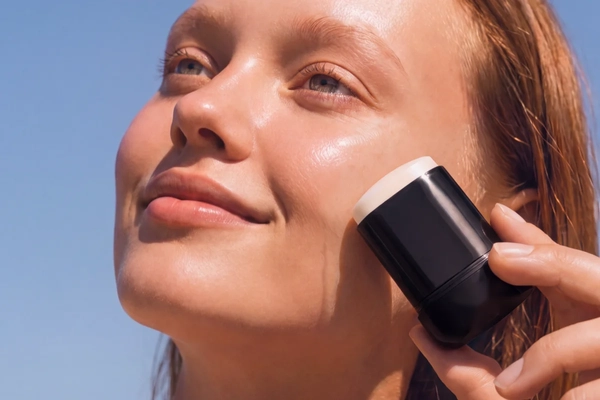
Burnd has unveiled “the first” sunscreen stick in the US made with bemotrizinol (BEMT).
BEMT is a broad-spectrum sunscreen filter. It was approved this year for use in cosmetics in the US, making the historic approval the first sunscreen active allowed in the US since 1999.
The new Burnd Stick offers an SPF 38 broad-spectrum, 80-minute water-resistant formula, and combines transparent zinc oxide with 3% BEMT. Burnd says that zinc oxide and BEMT complement each other. Zinc oxide, a mineral, protects across UVB and into long-wave UVA. BEMT dissolves into the formula and absorbs across UVB and short-wave UVA.
Together, the company says they “give a powerful broad-spectrum coverage that neither delivers as well alone.”
The patent-pending stick is touted to deliver easy, mess-free application for sun protection on the move. It is also fragrance- and preservative-free. Its base is made from light emollient oils, plant waxes, antioxidants, and a film former that keeps protection in place.
Flexible and complementary formula
Malachy Mitchnick, co-founder and CEO of Burnd, says sticks are a convenient way to apply sunscreen.
“Whether it’s the first application or a reapplication, they’re great at the beach, on the course, at the kids’ game, or just walking around town. We wanted the newest protection in America in a format people can carry anywhere,” states Mitchnick.
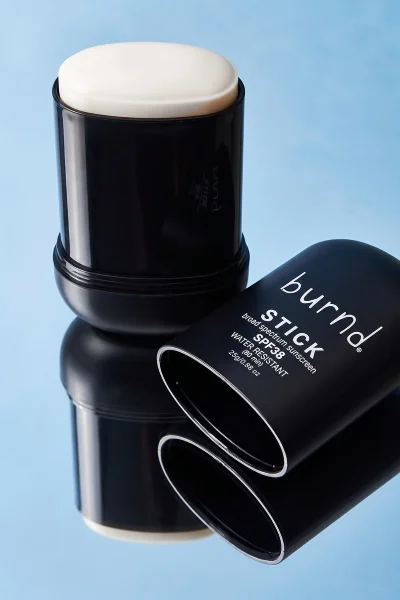 Burnd Stick SPF 38 combines zinc oxide with 3% BEMT and is water-resistant for 80 minutes.He adds that when the company was developing transparent zinc oxide, the point was to create sun care protection “people would actually wear.”
“BEMT is the first new tool US formulators have had in a generation. Getting this level of performance from just two filters was a challenge, but the result was worth the effort.”
BEMT in the US
According to Carl D’Ruiz, senior manager, business development at dsm-firmenich, BEMT’s “outstanding performance” gives formulators greater flexibility to create lighter, more consumer-friendly products without compromising protection.
In June, the FDA added BEMT to the list of permitted sunscreen actives. BEMT has been used in Europe and other markets for over 20 years.
The push for FDA approval was led by dsm-firmenich, which supplies its own BEMT ingredient under the brand name Parsol Shield. The company has an 18-month US exclusivity period for the ingredient.
Moves in sun care science
In other sunscreen moves, last month, Burnd launched its Tinted SPF 34, which the company positions as a “skinimalist” sunscreen containing 100% minerals formulated with photolyase.
Photolyase is a DNA repair enzyme found in plants and algae that repairs UV-induced DNA damage through photoreactivation. DNA damage caused by UV exposure is a known cause of skin cancer. The sun care brand calls photolyase a subject of growing interest in sun care science.
Meanwhile, Neutrogena launched a sunscreen technology called Cloud-Tech, centering on BEMT. The skin care brand has tapped the newly FDA-approved UV filter in two sunscreen launches. According to the brand, consumers want strong sun protection, but high-SPF sunscreens often feel heavy and uncomfortable, which leads some people to either use too little or skip the skin care step completely.
However, the ingredient has come under scrutiny for ethical concerns. Last month, PETA announced it would remove cosmetics companies from its Ultimate Cruelty-Free List if they use BEMT.
The animal advocacy nonprofit said the “cruel and archaic tests on mini pigs, guinea pigs, rabbits, mice, and rats” that were required by the federal organization disqualify brands that use BEMT from being included on its cruelty-free list.