



Home care trends reflect rising demand for comfort and conscious cleaning


Key takeaways
- Home care is evolving into a self-care ritual driven by well-being and comfort.
- Sustainability and enzyme-based solutions are reshaping product innovation.
- Fragrance and sensory experiences are key drivers of consumer choice.

Consumers are increasingly drawn to making their houses a space of comfort and health through sensoriality, sustainability, and well-being-focused home care solutions.
According to Innova Market Insights, Household Care products are gaining ground, with an average annual growth rate of 18% from 2021 to 2025.
In its Home Care Redefined report, the Clorox Company reports that the modern consumer spends 5.6 hours per week cleaning their home, up from 5 hours in 2016. While portions of the extra time at home go to leisure, time spent cleaning is on the rise, with a 29% increase in cleaning time compared to an 18% increase in screen time.
Home care is becoming increasingly synonymous with self-care, as consumers value the way their space makes them feel. Amid the shift, they are investing effort and money into creating a wellness-driven environment.
“When time and money feel more precious than ever, people are looking for superior experiences that feel worthwhile, supportive, and even rewarding,” says Oksana Sobol, VP of marketing insights at The Clorox Company.
Home care as sustainable self-care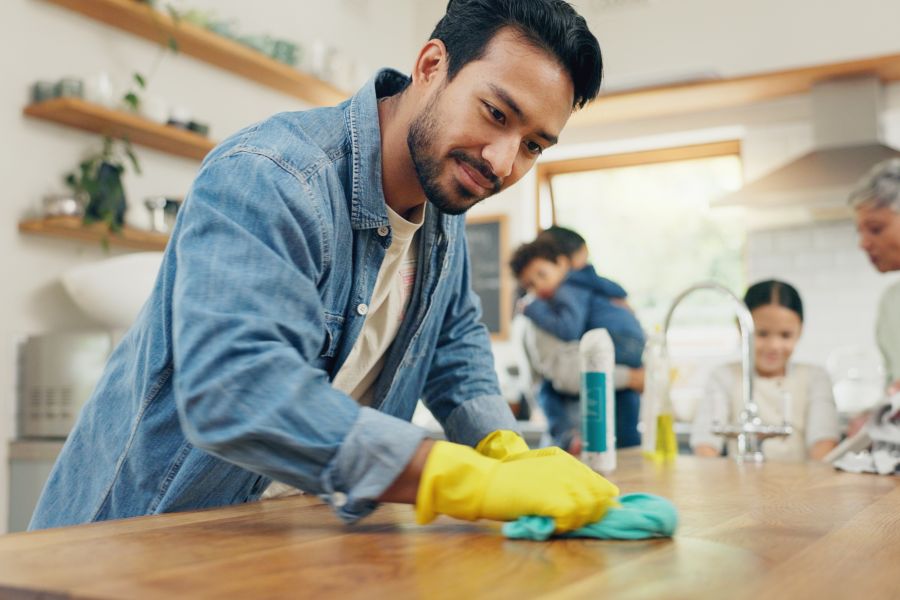
Consumers are turning cleaning into a self-care ritual.
As people spend more time at home, partially due to the vestigial habits of the COVID-19 pandemic, cleaning necessities are also increasing. Innova Market Insights reports that consumers globally say they have mostly purchased cleaning (81%) and dishwashing products (75%).
With time at home rising, consumers’ demands for home care products are also more intricate and holistic. Home care products containing harsh chemicals that are detrimental to skin or the environment are no longer favoured in the growing and competitive home care industry.
“Consumers see cleaning as an act of self-care, and home care brands are innovating with this in mind. Cleaning products that offer additional benefits, whether it be skin care, an inviting fragrance, or an interesting aesthetic, are going to win over a consumer looking for elevated functionality,” Kristen Mauch, application development specialist for Homecare and Industrial Cleaning, Ingredients + Specialties at Univar Solutions, previously told Personal Care Insights.
Mauch points out that home care innovations increasingly focus on skin impact, as the idea of a “home microbiome” gains traction. “It is no longer enough for a product to just clean — companies need to consider the home microbiome overall,” she said.
Consumers are more aware and informed about the products they purchase than ever before, causing their demands to become more refined and specified. For example, similarly to nutrition supplements and skin barrier support segments, consumers are becoming more aware of “good” and “bad” bacteria in the home, favoring products with microbiome-friendliness claims.
“Consumers are becoming more aware of the difference between types of bacteria. This is driving interest in cleaning products that support or protect the home microbiome,” Matt Anderson, global marketing manager of home care and industrial cleaning, Ingredients and Specialties, at Univar Solutions, previously told Personal Care Insights.
Green cleaning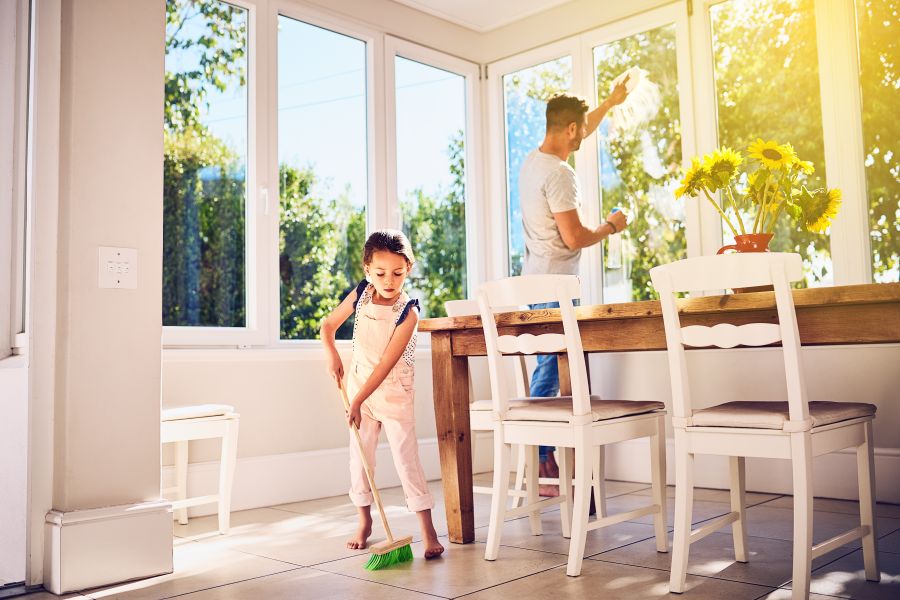
Sustainable solutions are reshaping household cleaning habits.
Innova Market Insights reports that home care product launches place an emphasis on sustainability. Cellulases — a group of enzymes produced by fungi, bacteria, and protozoa that catalyze cellulolysis — are emerging as a sustainable solution in the home care market. They are a particularly versatile and efficacious choice for sustainability claims in the detergent segment.
“Enzymes such as Celluclean by Novonesis are redefining laundry care in today’s cleaning market, delivering powerful cleaning performance while supporting sustainability. Cellulases help preserve fabric texture and color, offering a greener, high-performance alternative that aligns with growing consumer demand for environmentally friendly solutions,” Mauch told us.
She explained that, for formulators, cellulases can help unlock new dimensions in detergent innovation, as they balance sustainability, performance, and consumer satisfaction.
Anderson added, “Brands looking to redefine ‘clean’ and deliver meaningful, science-backed performance should consider incorporating enzymes.”
Another area of focus in clean home care is water and energy consumption. Tide recently released its Tide Evo, the first update to its hero product, the Tide Pod, in a decade, to reduce the energy intensity of washing laundry.
The “first-of-its-kind” fiber-based dry detergent tile focuses on sustainability with its 100% concentrated tile structure with six cleaning layers, removing everything but the essential cleaning activities. The product’s activation in cold water supports Tide’s mission to turn three-quarters of laundry loads in North America to cold water by 2030, reducing energy emissions.
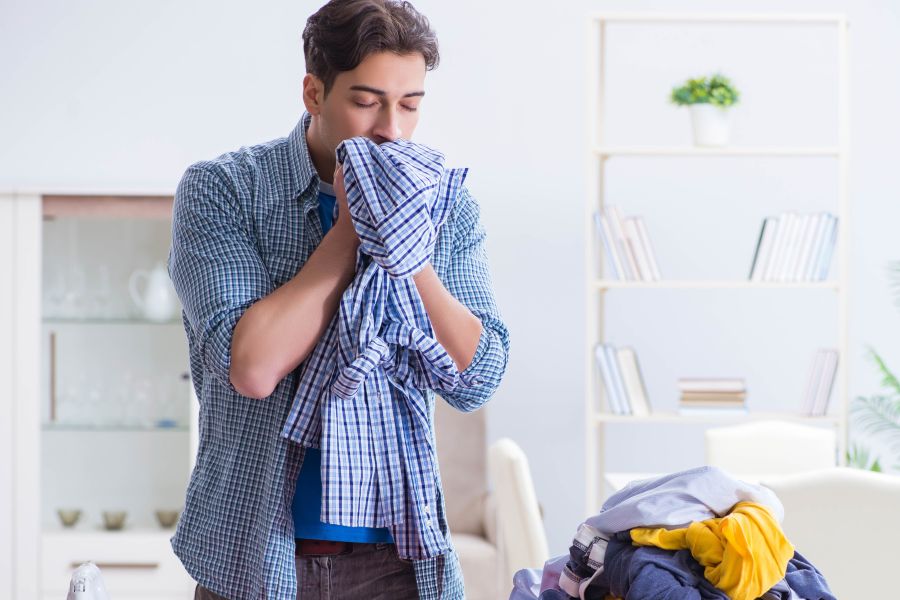
Fragrance is becoming a key driver in home care choices.
Smells like home
Fragrance is continuing to drive innovations in home care. Olfactory focus is considered one of the most influential factors in purchase choices across home care, such as in the household freshener and detergent segments.
“Companies that have traditionally created fragrances for personal care are now moving into the home care space by infusing their signature scents into cleaning products. Conversely, personal care manufacturers are entering low-barrier categories, such as premium laundry, where fragrance and sensorial experience are key differentiators,” Anderson told us.
The convergence of fragrance and neurocosmetics is also permeating home care. dsm-firmenich has flagged that there is a connection between scent and the brain’s limbic system — the part of the brain involved in behavioral and emotional responses. The fragrance ingredients company targets this connection through its investments into olfactory perception and neuroscience expertise in its EmotiOn program.
“We are entering a new era of perfumery, where creativity and neuroscience walk hand in hand. For me, this means creating with intention and purpose — shaping scents that can uplift, comfort, energize, or make us at ease. A fragrance is no longer only about how it smells, but about how it makes you feel, and how it can positively touch everyday life,” said Gabriela Chelariu, principal perfumer at dsm-firmenich.